Anti-Aging Skincare Routine: A Complete Step-by-Step Guide
The definitive, research-backed guide to building a comprehensive anti-aging routine — retinoids, antioxidants, SPF, hydration, and the lifestyle habits that tie it all together.
Jump to a section
Key Takeaways
- Effective anti-aging skincare rests on five pillars: sun protection, retinoids, antioxidants, hydration, and supportive lifestyle habits.
- Daily SPF is the single most important anti-aging step — no active ingredient can outpace ongoing UV damage.
- Retinoids remain the gold-standard ingredient for stimulating collagen and improving fine lines, texture, and tone over time.
- Antioxidants like vitamin C work synergistically with SPF, neutralizing free radicals that sunscreen alone doesn't block.
- Sleep, diet, stress management, and even your pillowcase all measurably affect how quickly skin shows signs of aging.
Anti-aging skincare has a reputation for being complicated, overwhelming, and full of conflicting advice. In reality, the science behind slowing visible skin aging is remarkably consistent and well-established: protect skin from UV damage, support collagen production, defend against oxidative stress, keep skin deeply hydrated, and back it all up with a few key lifestyle habits. Everything else is refinement.
This is our most comprehensive guide on the topic, bringing together everything we cover in our more targeted routines — for sun damage, fine lines, dry patches, and more — into one complete, flagship anti-aging routine. Whether you're just starting to notice early signs of aging or want to refine a routine you've had for years, this guide walks through every pillar you need.
Quick Answer: The Complete Anti-Aging Routine
- AM: Gentle cleanser, antioxidant serum (vitamin C), peptide or hydrating moisturizer, broad-spectrum SPF 30-50
- PM: Double cleanse (if wearing SPF/makeup), retinoid, rich moisturizer or facial oil
- 2-3x weekly: Gentle chemical exfoliation to support cell turnover and enhance product absorption
- Weekly: Hydrating mask or extra hyaluronic acid layer for a plumping boost
- Daily lifestyle: 7-8 hours of sleep, a silk pillowcase, balanced diet, stress management, and no smoking
- Ongoing: Rigorous SPF reapplication whenever outdoors — this protects every other step in the routine
Who Should Read This Guide
- Anyone wanting a single, comprehensive anti-aging routine that covers all the fundamentals
- People in their 30s, 40s, 50s and beyond looking to build or refine a long-term skincare strategy
- Anyone confused by conflicting anti-aging advice and looking for a clear, dermatologist-backed framework
- People who already use some anti-aging products but want to understand how to layer them correctly
- Anyone wanting to understand the lifestyle factors that influence visible aging alongside topical care
The Five Pillars of Anti-Aging Skincare
Nearly every effective anti-aging strategy, regardless of budget or skin type, rests on five pillars: sun protection, collagen-supporting actives (retinoids and peptides), antioxidant defense, deep and consistent hydration, and supportive lifestyle habits. Skipping any one pillar limits how much the others can achieve — this is why a rich retinol cream without daily SPF, for instance, produces far weaker results than the same cream used alongside consistent sun protection.
Aging is influenced by two forces
Dermatologists distinguish between intrinsic aging (the natural, genetically-programmed slowing of collagen production over time) and extrinsic aging (damage from UV exposure, pollution, and lifestyle factors). The vast majority of visible, premature aging comes from extrinsic causes — which means it's largely within your control.
Understanding Collagen Decline
Collagen production naturally begins slowing in the mid-20s, declining by roughly one percent per year, with a more noticeable drop during and after menopause for women due to estrogen decline. This is what eventually leads to thinner skin, deeper wrinkles, and a loss of the youthful plumpness associated with skin in your teens and twenties. Ingredients like retinoids and peptides work specifically by signaling skin cells to produce more collagen, partially offsetting this natural decline.
Comparing Anti-Aging Ingredient Categories
| Category | Primary Benefit | Best Time to Use |
|---|---|---|
| Retinoids (retinol, retinaldehyde) | Collagen stimulation, cell turnover, fine line reduction | PM only, buildup gradually |
| Vitamin C | Antioxidant defense, brightening, mild collagen support | AM, under sunscreen |
| Peptides | Signal collagen production, support skin structure | AM and/or PM |
| Hyaluronic acid | Deep hydration, temporary plumping of fine lines | AM and PM, on damp skin |
| Niacinamide | Barrier support, tone evening, texture improvement | AM and/or PM |
| Broad-spectrum SPF | Prevents new UV-driven collagen breakdown | AM, reapplied throughout the day |
Why SPF Is the Foundation of Every Anti-Aging Routine
If you take away only one lesson from this guide, let it be this: sunscreen is the most effective anti-aging product that exists, more so than any serum or cream. UV exposure is responsible for the vast majority of visible premature aging — wrinkles, dark spots, sagging, and rough texture. No active ingredient can out-treat ongoing, unprotected sun exposure.
SPF undoes the need for damage control
Using retinoids, vitamin C, and rich moisturizers while skipping daily sunscreen is like trying to fill a bucket with a hole in the bottom. Consistent SPF is what allows every other step in your routine to actually make progress.
Antioxidants: Your Daytime Defense System
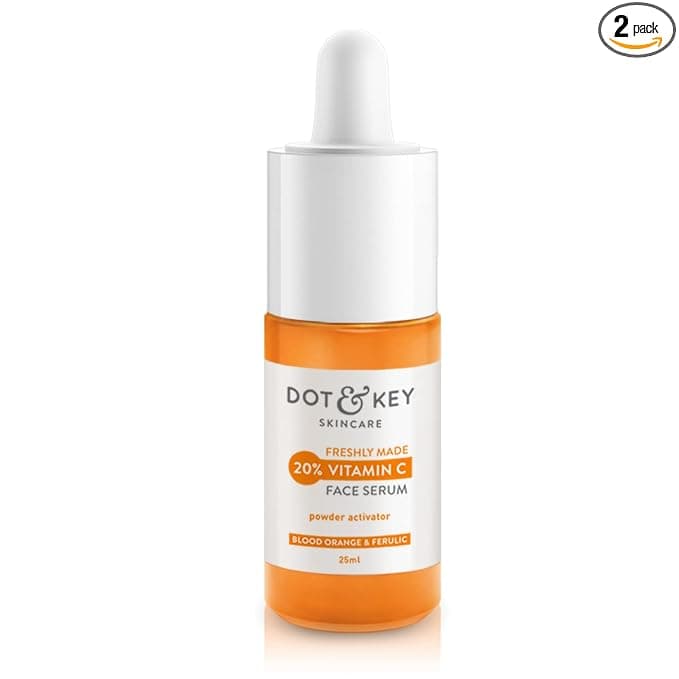
While sunscreen blocks the majority of UV rays, it doesn't neutralize the free radicals generated by pollution, blue light, and the small fraction of UV that does get through. This is where antioxidants like vitamin C step in, providing a second layer of daytime defense that meaningfully reduces oxidative stress on skin cells over time. Vitamin C also offers modest brightening and collagen-support benefits as a bonus.
Retinoids: The Nighttime Powerhouse
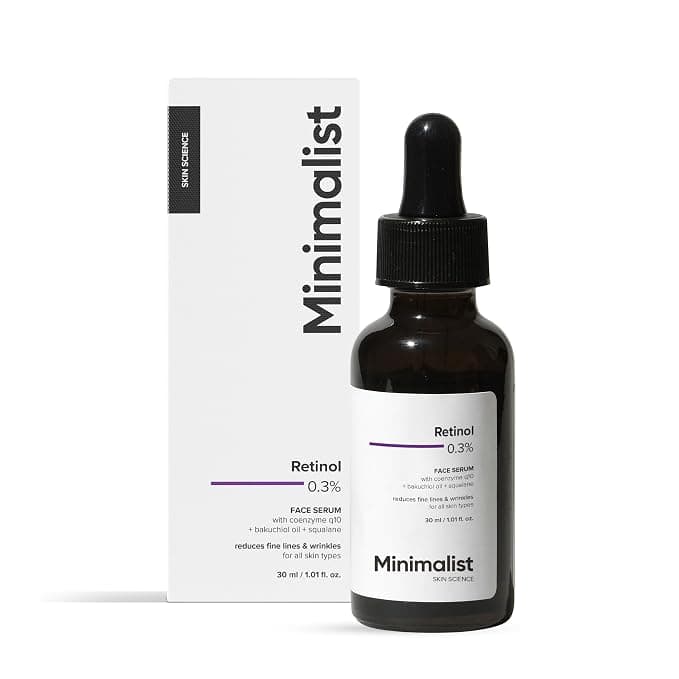
Retinoids remain the single most researched and effective topical ingredient for visible anti-aging results — improving fine lines, texture, tone, and firmness through increased cell turnover and collagen stimulation. Because retinoids increase photosensitivity, they should always be used at night, paired with diligent SPF the following morning.
Consistency beats concentration
A lower-strength retinol used consistently every night will outperform a high-strength retinoid used sporadically due to irritation. Build tolerance gradually, and prioritize a routine you'll actually stick with long-term.
Hydration: The Often-Overlooked Fourth Pillar
Well-hydrated skin looks visibly plumper and softer, which minimizes the appearance of fine lines regardless of their underlying cause. Layering a humectant like hyaluronic acid under a moisturizer that contains ceramides or ceramide-supporting lipids ensures water is both drawn into skin and sealed in, rather than evaporating throughout the day.
Recommended Products for a Complete Anti-Aging Routine
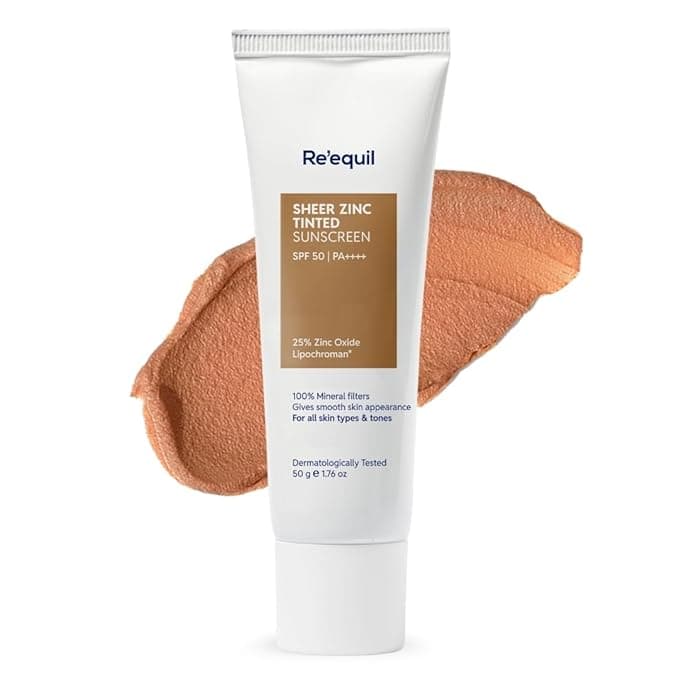
Rather than chasing every trending ingredient, these four products cover each of the core anti-aging pillars — collagen support, antioxidant defense, daily protection, and the overnight care that ties it together.

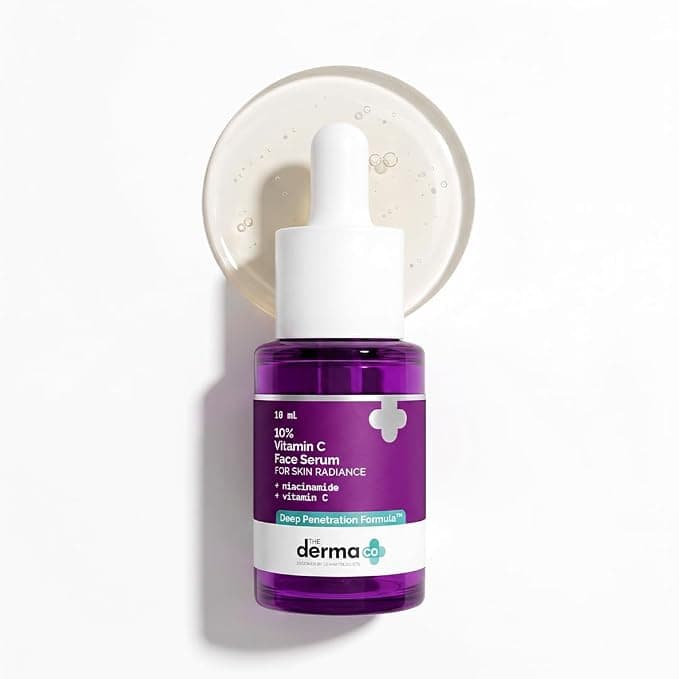
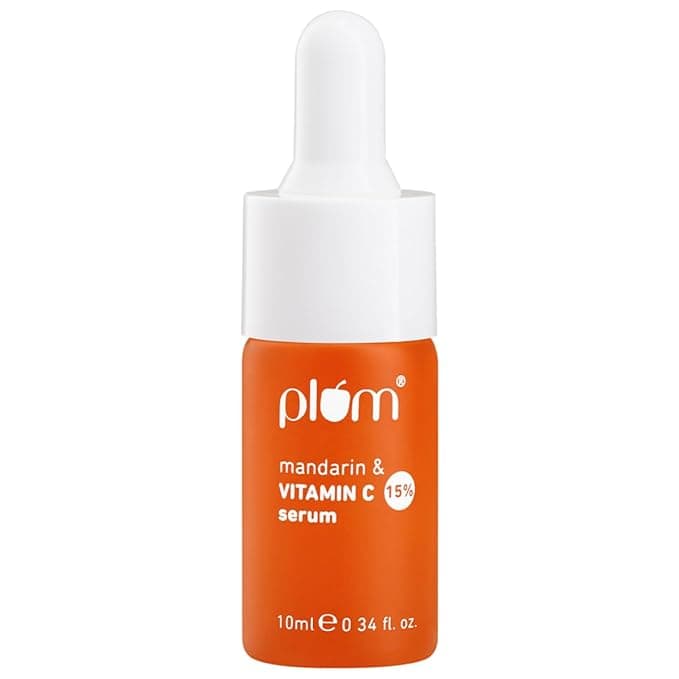
As an Amazon Associate, we earn from qualifying purchases. Links may earn a small commission at no extra cost to you.
Step-by-Step: Your Daily Routine
- 1Morning: Cleanse with a gentle, hydrating cleanser to avoid stripping skin before layering actives
- 2Morning: Apply a vitamin C serum to clean, dry skin for antioxidant defense
- 3Morning: Layer a hydrating, peptide-containing moisturizer
- 4Morning: Finish with broad-spectrum SPF 30-50 as the final, essential step
- 5Midday: Reapply sunscreen every 2-3 hours if outdoors, using a tinted SPF for easy touch-ups over makeup
- 6Evening: Double cleanse to remove sunscreen, makeup, and pollution buildup thoroughly
- 7Evening: Apply a retinoid to fully dry skin, building from 2-3x weekly up to nightly as tolerated
- 8Evening: Follow with a rich moisturizer or facial oil to support overnight repair and buffer any retinoid irritation
- 9Weekly: Add a gentle exfoliating treatment on non-retinol nights to support cell turnover and product absorption
- 10Weekly: Use a hydrating mask to give skin an extra plumping boost
- 11Nightly: Sleep on a silk or satin pillowcase to reduce friction-related creasing and hair breakage
- 12Ongoing: Reassess your routine every few months as skin's needs shift seasonally and with age
Lifestyle Habits That Support Anti-Aging Skincare
Topical skincare can only do so much if lifestyle factors are working against it. Chronic poor sleep raises cortisol and impairs skin's overnight repair processes. Diets high in sugar can accelerate a process called glycation, which stiffens collagen and contributes to sagging. Smoking dramatically accelerates collagen breakdown and reduces blood flow to skin. Chronic stress similarly raises inflammatory markers that speed visible aging.
- Prioritize 7-8 hours of quality sleep, when skin does the bulk of its repair work
- Limit high-glycemic and sugary foods, which can accelerate collagen stiffening via glycation
- Avoid smoking, which measurably accelerates collagen breakdown and reduces skin elasticity
- Manage chronic stress through exercise, mindfulness, or other sustainable outlets
- Stay adequately hydrated and eat a diet rich in antioxidants (colorful fruits and vegetables)
Common Mistakes to Avoid
- Skipping SPF on cloudy days or when staying mostly indoors near windows
- Introducing multiple new actives (retinoid, acids, high-strength vitamin C) all at once, overwhelming the skin barrier
- Expecting dramatic results within days rather than the realistic 12+ week timeline for visible change
- Choosing a high-strength retinoid too early instead of building tolerance gradually
- Neglecting hydration while focusing exclusively on 'active' ingredients
- Forgetting the neck, chest, and hands, which age visibly alongside the face but are often skipped
Expert Tips
Build the routine you'll actually keep
The most effective anti-aging routine isn't the most aggressive one — it's the one you can realistically maintain for years. Start simple, master consistency with SPF and a gentle retinoid, then layer in refinements over time.
Across long-term skin outcomes, a clear pattern holds: it's rarely the people using the most products who do best — it's the ones who wore sunscreen every single day and were patient with the rest.
Final Verdict
A truly effective anti-aging routine doesn't need to be complicated: daily SPF, a nightly retinoid, a daytime antioxidant, consistent hydration, and a handful of supportive lifestyle habits cover the vast majority of what dermatology research supports. Layer in refinements over time, but never at the expense of these fundamentals.
Conclusion
Aging gracefully isn't about chasing every new ingredient — it's about consistently nailing the fundamentals that the science actually supports. Explore our more targeted guides on sun damage, fine lines, and pigmentation for deeper dives into each pillar, and subscribe to our newsletter for more research-backed routines delivered straight to your inbox.
Frequently Asked Questions
Sources
Related Products
As an Amazon Associate, we earn from qualifying purchases. Links may earn a small commission at no extra cost to you.
You Might Also Like
 Skincare
Skincare Routine in Your 30s: A Complete Guide
The first fine lines, slower cell turnover, and busier lives — here's how to adjust your routine in your 30s without overhauling everything.
SkincareSkincare Routine for Mature Skin: A Complete Step-by-Step Guide
Fine lines, loss of firmness, and uneven tone — a routine built around retinol, vitamin C, and daily sunscreen for visibly aging skin.
 Skincare
Skincare Routine in Your 40s: A Complete Guide
Perimenopause, more pronounced fine lines, and a shifting skin barrier — a routine adjusted for what actually changes in your 40s.
Related Articles
Stay in the glow
Weekly routines and honest reviews, straight to your inbox.