Best Vitamin C Serums for Indian Skin in 2026 (Research-Backed)
Our research-backed picks for the best vitamin C serums for Indian skin in 2026 — how to choose the right strength, avoid oxidation, and use it safely.
Jump to a section
Key Takeaways
- Vitamin C brightens skin, fades post-acne marks, and adds antioxidant protection against pollution and UV exposure — a major concern in Indian cities.
- L-ascorbic acid (10-20%) is the most researched form, but it oxidizes fast in heat and humidity — look for dark, airtight packaging.
- Gentler derivatives like sodium ascorbyl phosphate suit sensitive, acne-prone, or first-time users.
- Vitamin C works best in the morning, layered under sunscreen — never skip SPF when using it.
- A serum that has turned dark brown or orange has oxidized and lost most of its effectiveness — discard it.
If there's one ingredient that consistently earns its hype, it's vitamin C. For Indian skin — which deals with intense UV exposure, pollution, and a genetic tendency toward post-inflammatory hyperpigmentation (those stubborn dark marks left behind after acne or a breakout) — a good vitamin C serum isn't a trend. It's one of the few ingredients with real, repeatable evidence behind it.
But not all vitamin C serums are created equal, and India's climate makes this ingredient trickier to get right than it looks on Instagram. Heat and humidity accelerate oxidation, turning a perfectly good serum into a useless (and sometimes irritating) orange liquid within weeks. This guide breaks down exactly which serums are worth your money, how to tell if yours has already gone bad, and how to use vitamin C without wrecking your skin barrier.
Quick Answer: Best Vitamin C Serums for Indian Skin
Short on time? Here's the direct answer. The Radiance Vitamin C Serum (15% L-ascorbic acid with ferulic acid) is our overall top pick for most skin types. If your skin is sensitive or acne-prone, the Tri-C Ferulic Glow Serum is a gentler, dermatologist-style formula. Budget shoppers should look at the Suvarna Brightening Vitamin C Serum, and anyone chasing visible pigmentation fading should consider the higher-strength Glow Drops 20% Vitamin C Serum.
- Best Overall: Radiance Vitamin C Serum — 15% L-ascorbic acid + ferulic acid + vitamin E
- Best for Sensitive Skin: Tri-C Ferulic Glow Serum — gentle, dermatologist-inspired antioxidant blend
- Best Budget Pick: Suvarna Brightening Vitamin C Serum — derivative-based, beginner-friendly
- Best for Pigmentation: Glow Drops 20% Vitamin C Serum — high-strength, stabilized formula
Who Should Read This Guide
- Anyone dealing with dullness, uneven tone, or post-acne dark marks
- First-time vitamin C users unsure which strength or form to start with
- People who've had a vitamin C serum oxidize or irritate their skin before
- Anyone shopping specifically for Indian climate conditions — heat, humidity, and high UV index
- Readers who want dermatologist-vetted picks rather than a random influencer list
Why Vitamin C Matters for Indian Skin
India sits at latitudes with a consistently high UV index for most of the year, and most major Indian cities also rank high on particulate air pollution indices. Both UV rays and pollution generate free radicals — unstable molecules that damage collagen and accelerate visible aging. Vitamin C is one of the most well-studied antioxidants for neutralizing this damage.
Vitamin C also inhibits an enzyme called tyrosinase, which the skin uses to produce melanin. That makes it genuinely useful for fading post-inflammatory hyperpigmentation — the dark marks that linger long after a pimple has healed, a concern that disproportionately affects medium-to-deep skin tones common across India.
Vitamin C vs. Sunscreen: They Are Not Interchangeable
Vitamin C is an antioxidant that helps your skin manage damage after UV exposure occurs. It does not block or absorb UV rays the way sunscreen does. Think of vitamin C and SPF as teammates, not substitutes — you still need daily sunscreen even on the days you use vitamin C.
How We Chose These Vitamin C Serums
Every product on this list was evaluated on four criteria: the concentration and stability of the vitamin C form used, packaging quality (opaque, airtight packaging matters enormously in Indian heat), formulation support ingredients like vitamin E and ferulic acid that extend shelf stability, and real-world user ratings. We did not accept paid placements for this list, and pricing reflects approximate Indian retail pricing at the time of publishing.
| Serum | Best For | Vitamin C Type & Strength | Price (Approx.) |
|---|---|---|---|
| Radiance Vitamin C Serum | Most skin types, overall brightening | 15% L-ascorbic acid + ferulic acid | ₹1,499 |
| Tri-C Ferulic Glow Serum | Sensitive, acne-prone skin | 15% vitamin C + E + ferulic acid | ₹2,499 |
| Glow Drops 20% Vitamin C Serum | Stubborn pigmentation, dullness | 20% L-ascorbic acid + hyaluronic acid | ₹1,299 |
| Suvarna Brightening Vitamin C Serum | Beginners, budget shoppers | 10% sodium ascorbyl phosphate | ₹599 |
Ingredients Explained: Types of Vitamin C
Not every ingredient labeled "vitamin C" behaves the same way on skin. Understanding the differences will help you pick the right serum for your skin type and tolerance level.
L-Ascorbic Acid
The most researched and most potent form of vitamin C. Effective at 10-20% concentrations, but it's unstable — it degrades with exposure to light, air, and heat, and can be irritating for sensitive skin at higher strengths.
Sodium Ascorbyl Phosphate & Magnesium Ascorbyl Phosphate
Gentler, more stable derivatives that convert to active vitamin C in the skin. Less potent than L-ascorbic acid but far less likely to irritate, making them a good starting point for beginners or reactive skin.
Ascorbyl Glucoside & Ethyl Ascorbic Acid
Newer-generation derivatives designed to balance stability and efficacy. Often found in Korean and Japanese formulations, and increasingly common in Indian brightening serums.
Product Recommendations
Here's a closer look at each pick, including who it's best suited for and what to expect.
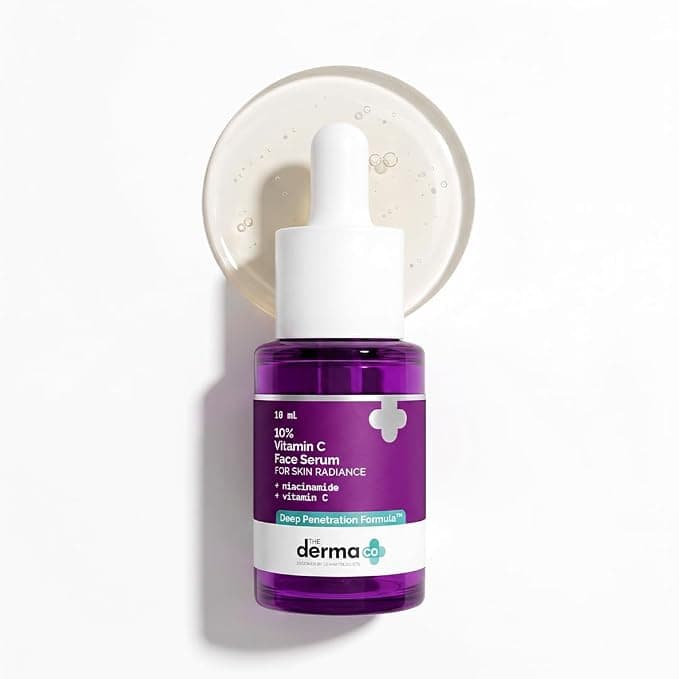
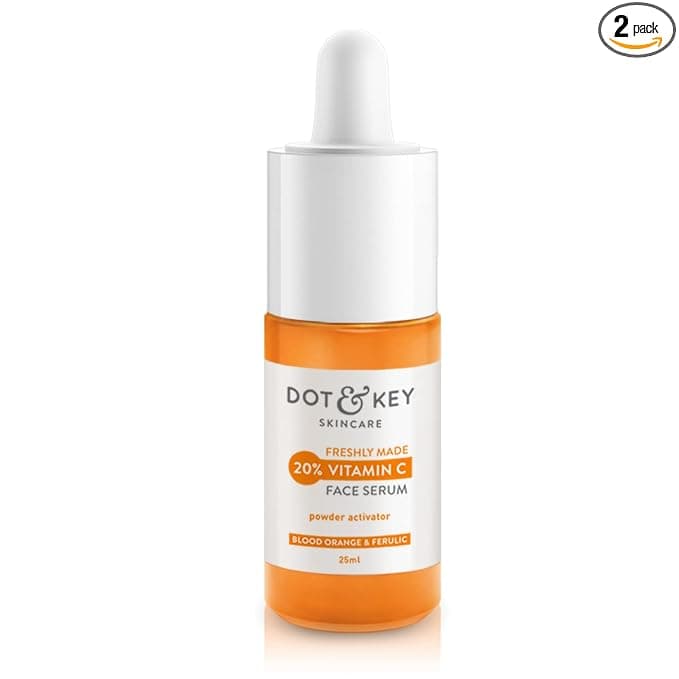
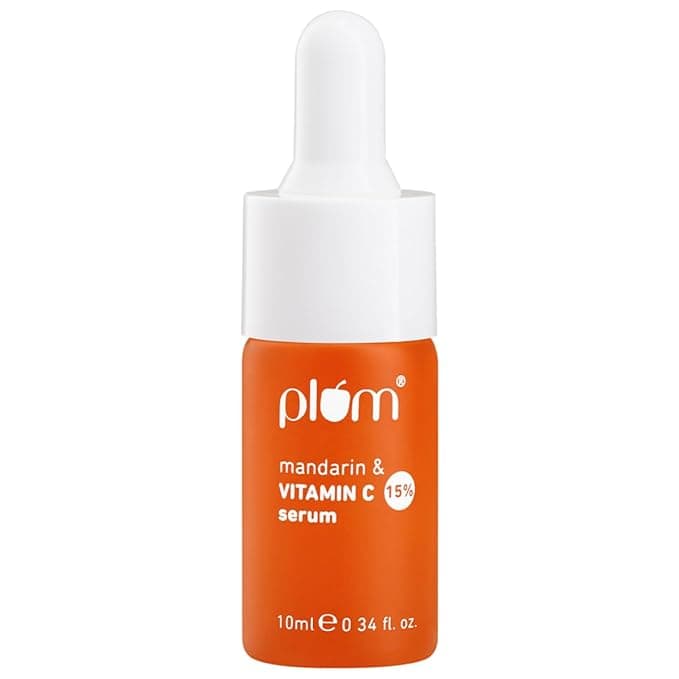
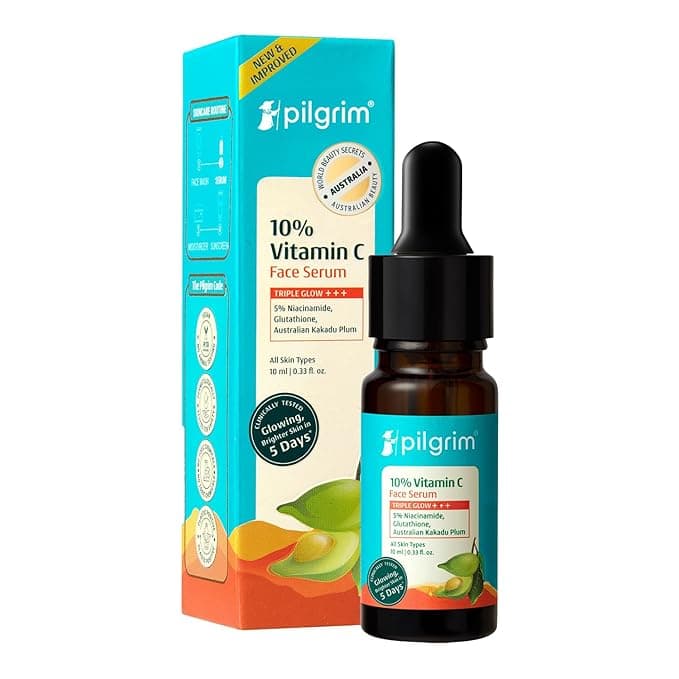
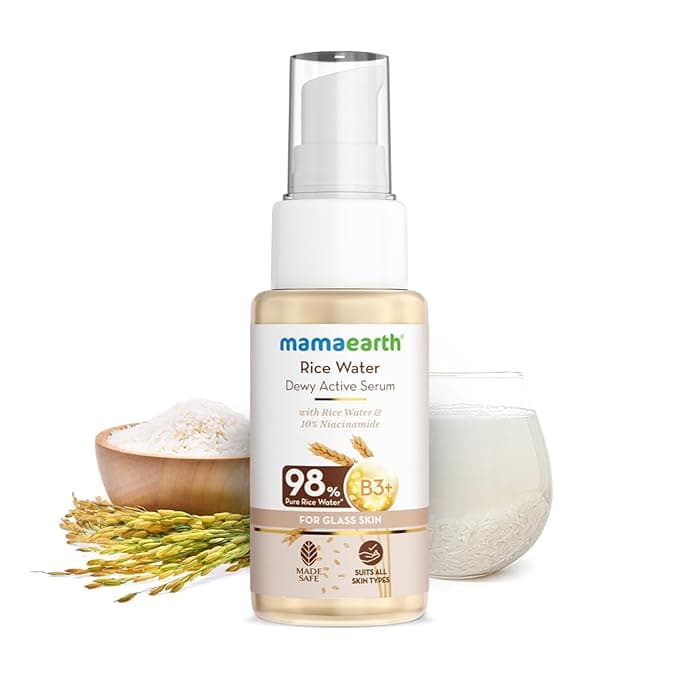
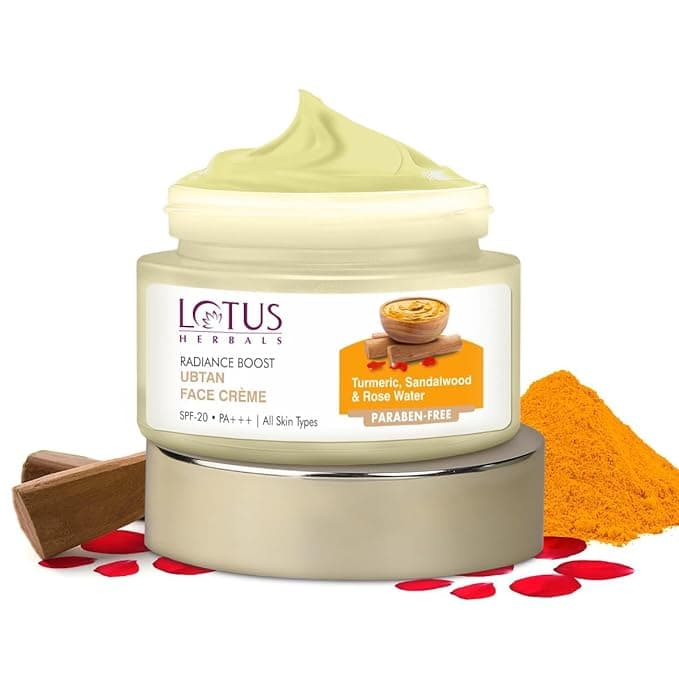
As an Amazon Associate, we earn from qualifying purchases. Links may earn a small commission at no extra cost to you.
Radiance Vitamin C Serum — Best Overall
This 15% L-ascorbic acid formula strikes the balance most Indian skin types need: strong enough to show visible brightening within 4-6 weeks, but formulated with ferulic acid and vitamin E to improve stability and reduce irritation. The amber dropper bottle limits light exposure, which matters more in Indian summers than most people realize.
Pros
- Well-balanced 15% strength suitable for most skin types
- Ferulic acid and vitamin E improve formula stability
- Lightweight texture that layers well under sunscreen and makeup
Cons
- Can cause mild tingling for first-time users
- Higher price point than derivative-based options
Tri-C Ferulic Glow Serum — Best for Sensitive Skin
Modeled on the classic vitamin C, E, and ferulic acid combination frequently recommended by dermatologists, this serum is formulated specifically to be gentler on reactive and acne-prone skin without sacrificing much efficacy. It's a strong option for anyone who has tried a high-strength vitamin C serum before and reacted badly to it.
Pros
- Formulated for sensitive and acne-prone skin
- Strong antioxidant combination (C + E + ferulic acid)
- Fragrance-free
Cons
- Premium pricing
- Slower visible results than higher-strength options
Glow Drops 20% Vitamin C Serum — Best for Pigmentation
At 20% L-ascorbic acid, this is the strongest serum on this list, aimed at people specifically targeting stubborn dark spots and dullness. Hyaluronic acid in the formula helps offset the dryness that higher-strength vitamin C can cause. Not recommended as a first vitamin C serum for beginners.
Pros
- High 20% concentration for visible pigmentation fading
- Hyaluronic acid helps offset dryness
- Budget-friendly for the strength offered
Cons
- Too strong for first-time users or very sensitive skin
- Requires diligent SPF use during the day
Suvarna Brightening Vitamin C Serum — Best Budget Pick
Built around sodium ascorbyl phosphate, a gentler and more stable derivative, this is a sensible entry point for students, beginners, or anyone who wants to trial vitamin C without a big financial commitment. It won't deliver the same speed of results as L-ascorbic acid formulas, but it's a low-risk way to build the habit.
Pros
- Very affordable
- Gentle derivative form suits beginners
- Stable formula, less prone to oxidation
Cons
- Milder, slower results than L-ascorbic acid serums
- Less researched than L-ascorbic acid at scale
Step-by-Step: How to Add Vitamin C to Your Routine
- 1Cleanse your face and pat it fully dry.
- 2Apply 3-4 drops of vitamin C serum to your face and neck, avoiding the eye area.
- 3Wait 60 seconds for it to absorb before applying the next product.
- 4Follow with a moisturizer to lock in hydration.
- 5Finish with a broad-spectrum SPF 30+ sunscreen every single morning — non-negotiable.
- 6Start with 2-3 uses per week if you're new to vitamin C, increasing to daily use over 3-4 weeks as tolerated.
Buying Guide: What to Look for in a Vitamin C Serum
- Packaging: Choose opaque, airtight bottles (amber glass or pump dispensers) over clear, open-mouth jars.
- Concentration: 10-20% L-ascorbic acid for most skin; under 10% or a derivative form for sensitive skin.
- Supporting ingredients: Vitamin E and ferulic acid improve both stability and antioxidant effect.
- Skin type match: Derivative forms (sodium ascorbyl phosphate, ascorbyl glucoside) for oily, acne-prone, or reactive skin.
- Color check at purchase: The serum should be pale yellow, not already amber or brown, which signals oxidation has begun.
Common Mistakes to Avoid
- Storing your serum near a sunny window or in a hot bathroom — heat and light speed up oxidation.
- Skipping sunscreen because you're "already using an antioxidant" — vitamin C doesn't block UV rays.
- Layering vitamin C directly with niacinamide or retinol in the same routine without easing in gradually, which can increase irritation for sensitive skin.
- Using a serum that has turned dark orange or brown — it has oxidized and lost most of its effectiveness.
- Jumping straight to a 20% concentration as your first-ever vitamin C product.
Expert Tips
Store It Smart
Keep your vitamin C serum in a cool, dark drawer rather than an open bathroom shelf. Some people even refrigerate it during peak summer months to slow oxidation further.
The biggest mistake with vitamin C for Indian skin isn't the ingredient itself — it's the packaging and storage. A brilliant formula in the wrong bottle, left in a hot bathroom, oxidizes before you've even used a quarter of it.
Final Verdict
For most readers, the Radiance Vitamin C Serum offers the best balance of strength, stability, and price. If your skin leans sensitive or acne-prone, choose the Tri-C Ferulic Glow Serum instead. Chasing visible pigmentation fading specifically? The Glow Drops 20% formula will get you there faster, provided your skin can tolerate the strength. And if you're simply testing the waters with vitamin C for the first time, the Suvarna Brightening Vitamin C Serum is a low-risk way to start.
Conclusion
Vitamin C remains one of the few skincare ingredients that lives up to the hype — but only when the formula, strength, and storage are right for your skin and your climate. Start slow, protect your serum from heat and light, and never skip your morning SPF. If you found this guide useful, explore more of our research-backed skincare guides and subscribe to the Glow by Kudozz newsletter for weekly, no-fluff beauty advice straight to your inbox.
Frequently Asked Questions
Sources
Related Products
As an Amazon Associate, we earn from qualifying purchases. Links may earn a small commission at no extra cost to you.
You Might Also Like
 Skincare
Summer Skincare Routine for Indian Skin (Dermatologist-Approved)
A dermatologist-approved summer skincare routine built for Indian heat and humidity — lightweight layers, sweat-proof sunscreen, and oil control that won't strip your skin.
 Skincare
Bridal Skincare Routine: A Timeline for Wedding-Ready Glow
A dermatologist-informed bridal skincare timeline — what to start 3 months, 6 weeks, and 1 week before your wedding for a genuine, camera-ready glow.
SkincareSkincare Routine in Your 20s: A Complete Preventive Guide
Your 20s are the best time to build preventive habits before visible aging starts — here's exactly what to prioritize and what you can skip for now.
Related Articles
Stay in the glow
Weekly routines and honest reviews, straight to your inbox.