Korean Skincare vs Indian Skincare: Which One Should You Follow?
Korean skincare routines and Indian skincare traditions solve different problems. Here's how they compare — and how to build a routine that borrows the best of both.
Jump to a section
Key Takeaways
- Korean skincare emphasizes multi-step layering, hydration, and prevention; Indian skincare emphasizes natural, Ayurvedic ingredients and treatment-based rituals.
- Korean routines were developed for a cooler, drier climate — some steps (heavy creams, multiple layers) can feel too rich in Indian humidity.
- Indian skincare traditions like turmeric and besan have real brightening and anti-inflammatory properties backed by growing research.
- Sunscreen culture is stronger in Korean skincare and is the single habit Indian skin benefits most from adopting.
- A hybrid routine — Korean-style consistency and layering with Ayurveda-informed, climate-appropriate ingredients — works better than following either system rigidly.
Scroll through any Indian beauty forum and you'll find two camps arguing past each other. One swears by ten-step Korean routines and glass-skin essences. The other points out that their grandmother's turmeric-and-besan ubtan was doing "glow" long before K-beauty had a name for it. Both are right — and both are missing half the picture.
Korean skincare and Indian skincare weren't built to compete with each other. They were built for two very different climates, skin tones, and cultural relationships with beauty. Understanding those differences — rather than picking a side — is how you actually build a routine that works for you.
Quick Answer: Which Should You Follow?
Neither system is universally "better." Korean skincare offers superior hydration layering, product texture innovation, and a strong sunscreen culture. Indian skincare offers ingredients genuinely suited to melanin-rich skin, heat, and humidity, plus a treatment-based approach that Korean routines often skip. Most Indian users get the best results from a hybrid routine: Korean-style consistency and layering technique, applied with ingredients and richness levels suited to Indian weather.
Who Should Read This
- Anyone choosing between a K-beauty routine and traditional Indian skincare for the first time
- Readers whose imported Korean products feel too heavy or don't seem to "work" in Indian weather
- Anyone curious whether Ayurvedic ingredients like turmeric actually do anything, scientifically
- People who want a realistic, budget-conscious routine rather than a 10-step regimen
Korean Skincare Philosophy: Layers, Hydration, Prevention
Korean skincare is built on a simple idea: hydrated, well-protected skin ages slower and looks better than skin treated only when something goes wrong. The classic routine — double cleanse, toner, essence, serum, moisturizer, sunscreen — isn't about doing more steps for their own sake. It's about applying thin layers of hydration so each product can absorb properly instead of sitting on top of the last one.
- Double cleansing (oil-based cleanser, then water-based cleanser) to remove sunscreen and makeup without stripping skin
- Essences: watery, hydrating liquids applied in patted layers before serum — the origin of the "seven-skin method"
- Sheet masks used for quick, concentrated hydration rather than as a treatment for specific skin concerns
- A strong daily sunscreen culture, often reapplied and layered under makeup as standard practice
Indian Skincare Philosophy: Ayurveda and Treatment-First Rituals
Indian skincare traditions, rooted heavily in Ayurveda, take a different starting point: skin problems (dullness, tan, acne marks) should be actively treated with natural, multi-purpose ingredients, not just prevented. Ubtan — a paste of turmeric, gram flour (besan), and sandalwood — has been used for generations specifically to brighten skin and reduce oiliness, both common concerns in India's climate.
Where Korean skincare tends to separate hydration, treatment, and protection into distinct steps, Indian traditions often combine several benefits into one multi-purpose ingredient or ritual — turmeric for brightening and anti-inflammatory action, besan for gentle exfoliation and oil control, and sandalwood for cooling and calming irritated skin.
Is Turmeric Actually Backed by Research?
Curcumin, the active compound in turmeric, has documented anti-inflammatory and antioxidant properties in dermatology research, supporting its traditional use for calming skin and improving tone. As with any active ingredient, results are gradual and vary by individual — turmeric is not a substitute for treating diagnosed skin conditions.
Korean vs Indian Skincare: Side-by-Side Comparison
| Factor | Korean Skincare | Indian Skincare |
|---|---|---|
| Core philosophy | Prevention through hydration & layering | Treatment through natural, multi-purpose ingredients |
| Ideal climate | Cooler, drier climates | Hot, humid, high-UV climates |
| Typical texture | Lightweight, watery, layered | Richer pastes, oils, and creams used as targeted treatments |
| Sun protection culture | Very strong, daily and reapplied | Improving, but historically inconsistent |
| Cost to start | Can be higher with imported multi-step products | Often lower, using accessible kitchen and Ayurvedic ingredients |
| Best known for | Hydration, glass skin, product innovation | Brightening, oil control, anti-inflammatory ingredients |
Key Differences Explained
Climate and Humidity
This is the single biggest reason a routine that works in Seoul may not work in Mumbai or Chennai. Korean routines were developed for a climate with lower average humidity, which is why richer creams and multiple hydrating layers feel comfortable there. In India's heat and humidity, the same multi-layer routine can feel heavy, trap sweat, and even contribute to breakouts for oilier skin types.
Skin Tone and Pigmentation Concerns
Indian skin tones, on average, have more melanin than the East Asian skin tones Korean products are typically formulated and tested for. This means Indian skin is somewhat more prone to post-inflammatory hyperpigmentation (dark marks after acne or irritation) but also has some built-in UV protection — neither of which is centrally addressed by a standard Korean routine, but both of which Ayurvedic brightening ingredients and Indian dermatology have long focused on.
Sun Protection Habits
This is the one area where Korean skincare culture has a clear, evidence-backed advantage. Daily, generously applied, and reapplied sunscreen is standard practice in Korean routines. In India, despite a higher year-round UV index, sunscreen adoption has historically lagged — often due to the myth that darker skin tones don't need it. This is worth adopting regardless of which routine philosophy you follow.
Step-by-Step: Building a Hybrid Routine for Indian Skin
- 1Cleanse with a gentle, water-based cleanser suited to your skin type — double cleanse only on days you wear sunscreen or makeup.
- 2Apply a lightweight, hydrating essence in thin, patted layers rather than one heavy application.
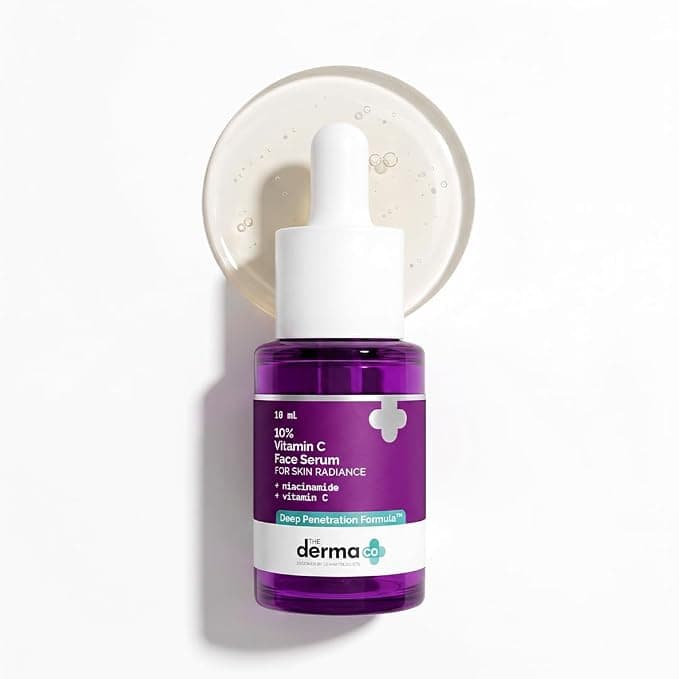
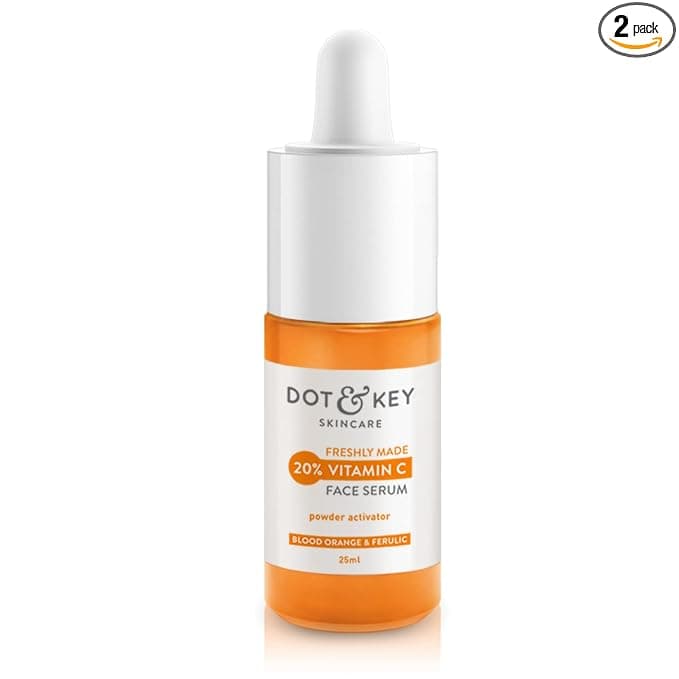
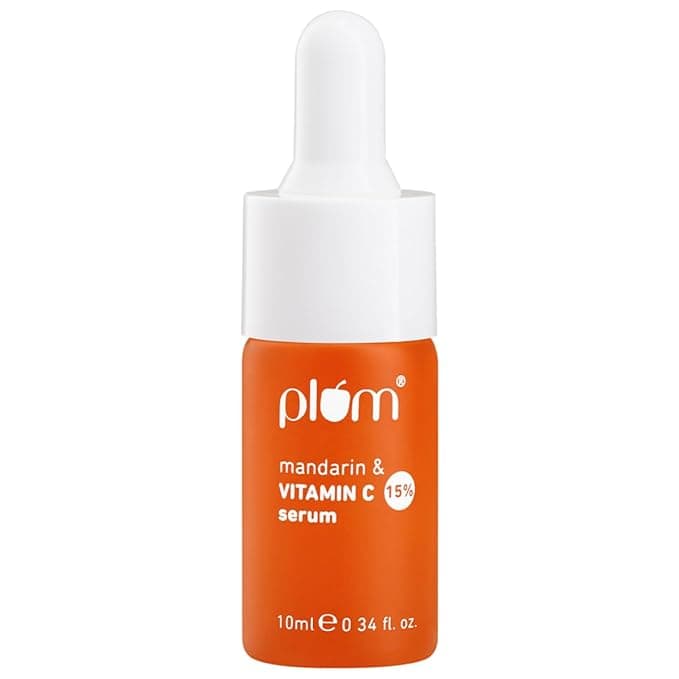
- 3Use a treatment step suited to your concern — a vitamin C serum for brightening, or a turmeric-based cream for calming and evening tone.
- 4Moisturize with a texture suited to India's climate: gel-creams in humid months, richer creams only in drier winter months.
- 5Finish every morning with broad-spectrum SPF 30+ sunscreen, reapplied every 2-3 hours if you're outdoors.
- 6Use a treatment mask (sheet mask or Ayurvedic clay/ubtan pack) 1-2 times a week, not daily.
Product Recommendations
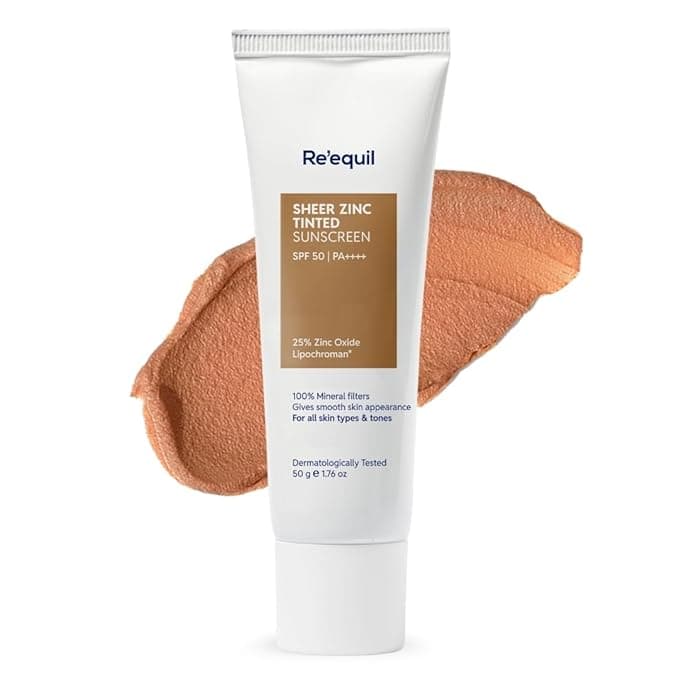
You don't have to choose a side. Here are picks that represent each philosophy well, plus how they can work together in one routine.
As an Amazon Associate, we earn from qualifying purchases. Links may earn a small commission at no extra cost to you.
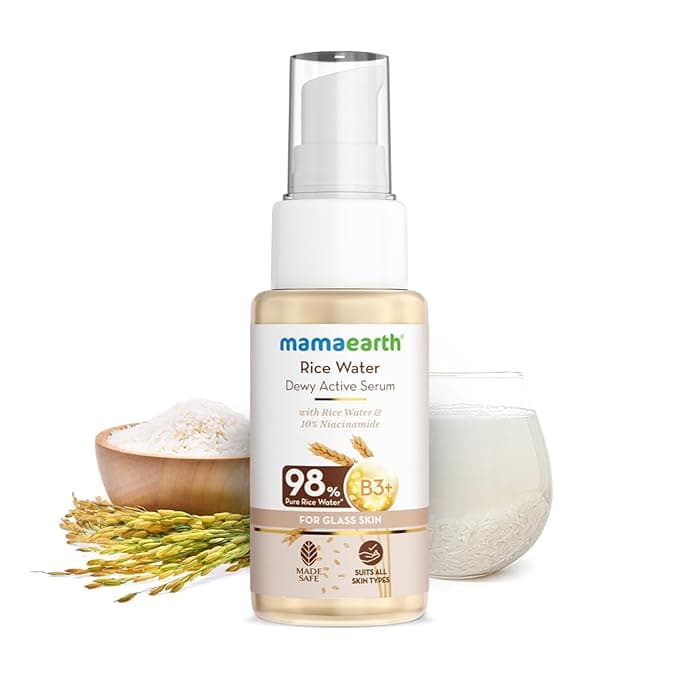
Rice Water Glow Essence — Best Korean-Style Pick
A fermented rice water and niacinamide essence built for the classic Korean layering method — thin, hydrating passes rather than one heavy application. A good entry point if you want to try Korean-style hydration without committing to a full multi-step import routine.
Pros
- Lightweight, layers well under other products
- Niacinamide adds mild brightening and barrier support
- Works well in humid weather, unlike heavier Korean creams
Cons
- Requires patting in multiple thin layers, which takes more time than a single serum step
- Needs a separate moisturizer and SPF to complete the routine
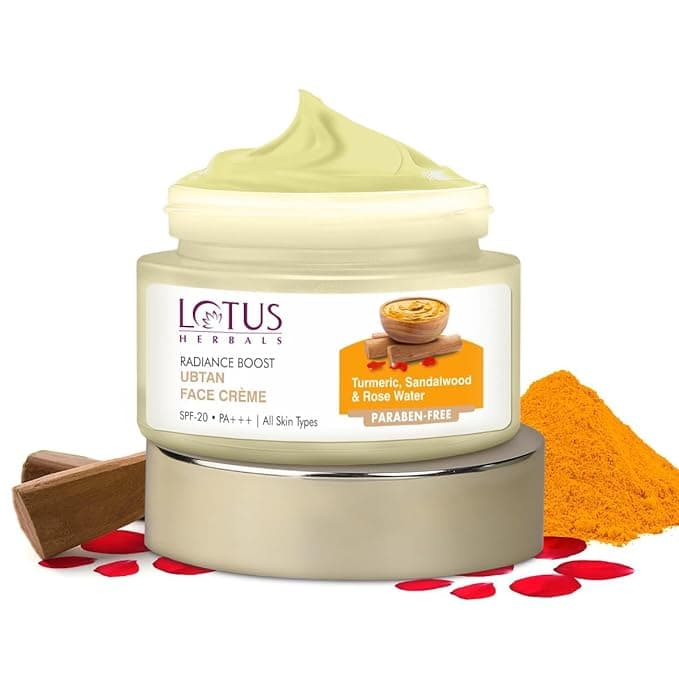
Ubtan Turmeric Radiance Cream — Best Indian-Style Pick
A modern, daily-use reformulation of the traditional ubtan — turmeric, besan, and sandalwood — as a non-drying cream rather than an occasional face pack. A practical way to bring Ayurvedic brightening ingredients into an everyday routine instead of a once-a-week ritual.
Pros
- Ayurvedic ingredients with real anti-inflammatory research behind them
- Very affordable
- Suits Indian skin tones and common pigmentation concerns
Cons
- Turmeric can temporarily tint fair skin if not rubbed in fully
- Slower, gentler results compared to synthetic actives
Common Mistakes to Avoid
- Copying a 10-step Korean routine exactly, without adjusting product richness for Indian humidity.
- Assuming Ayurvedic ingredients work instantly — most, like turmeric, need consistent use over weeks.
- Skipping sunscreen because a routine already "feels complete" without it.
- Using imported Korean products formulated and tested primarily for lighter, East Asian skin tones without checking if actives suit your tone and concerns.
- Layering too many treatment products (vitamin C, turmeric, exfoliants) in the same routine without easing in gradually.
Expert Tips
Adapt, Don't Adopt Wholesale
Take the underlying principle from each system rather than copying it exactly. Korean skincare's principle is thin, consistent hydration. Indian skincare's principle is treating skin with ingredients suited to your specific tone and climate. Combine the principles, not just the product lists.
The best routine isn't the one with the most steps or the most imported products — it's the one you'll actually repeat every day, using ingredients your skin and climate can handle.
Final Verdict
If you had to pick one habit to borrow from Korean skincare, make it consistent, layered hydration and daily sunscreen. If you had to pick one habit to borrow from Indian skincare, make it treatment-focused ingredients like turmeric that are genuinely suited to Indian skin tones and concerns. Used together, they cover each other's gaps far better than either system does alone.
Conclusion
Korean skincare and Indian skincare aren't rivals — they're two well-developed answers to two different climates and skin needs. The smartest routine borrows what works from each and leaves out what doesn't suit your skin or your budget. If this comparison helped, explore more of our skincare guides and subscribe to the Glow by Kudozz newsletter for weekly, no-fluff beauty advice.
Frequently Asked Questions
Sources
Related Products
As an Amazon Associate, we earn from qualifying purchases. Links may earn a small commission at no extra cost to you.
You Might Also Like
 Skincare
Weekend Skincare Routine: How to Use Extra Time Well
Weekends offer something weekdays don't — time. Here's how to use it for masking, deeper treatment, and genuine skin recovery, without overdoing it.
 Skincare
Skincare Routine for Oily T-Zone: A Complete Step-by-Step Guide
Shiny forehead and nose by noon, but dry or normal cheeks? Combination skin needs a zone-specific routine, not a one-size-fits-all fix. Here's how to balance it.
 Skincare
Best Vitamin C Serums for Indian Skin in 2026 (Research-Backed)
Our research-backed picks for the best vitamin C serums for Indian skin in 2026 — how to choose the right strength, avoid oxidation, and use it safely.
Related Articles
Stay in the glow
Weekly routines and honest reviews, straight to your inbox.