Complete Skincare Routine for Beginners in India (Step-by-Step Guide)
New to skincare? Here's a simple, budget-friendly routine built specifically for Indian skin, weather, and lifestyle — no 10-step regimen required.

Jump to a section
Key Takeaways
- A beginner routine only needs four steps: cleanser, moisturizer, sunscreen (AM), and one treatment product — not ten.
- Indian climate calls for lightweight, gel or water-based formulas over heavy creams, especially in humid months.
- Sunscreen is the single most important step for Indian skin, given the year-round high UV index — never skip it, regardless of skin tone.
- Introduce active ingredients (vitamin C, retinol, exfoliants) one at a time, spaced two to three weeks apart, to avoid irritation.
- Consistency for 4-6 weeks matters more than product price or step count when you're just starting out.
If you've ever opened Instagram and felt overwhelmed by ten-step routines, double cleansing, essences, and serums with names you can't pronounce, you're not alone. The truth is, a good skincare routine for beginners in India doesn't need to be complicated or expensive — it needs to match your skin type, your climate, and your budget.
India's weather makes skincare a little different from what you'll read in most Western or Korean beauty guides. Between the heat, humidity, pollution in most major cities, and a high UV index for most of the year, your skin has specific needs that a generic routine won't address. This guide walks you through exactly what to use, in what order, and why — starting from zero.
Quick Answer: The 4-Step Beginner Routine
Short on time? Here's the core routine. Morning: gentle cleanser, lightweight moisturizer, broad-spectrum sunscreen SPF 30+. Night: same gentle cleanser, moisturizer, and (once your skin has adjusted) one treatment product suited to your main concern. That's it — everything else is optional until you've built this habit consistently for a few weeks.
- Step 1: Cleanser — gel or foaming cleanser suited to your skin type
- Step 2: Moisturizer — lightweight gel-cream for humid climates, richer cream only in winter or for dry skin
- Step 3: Sunscreen (AM only) — broad-spectrum SPF 30 or higher, non-negotiable every single day
- Step 4: Treatment (add after 2-3 weeks) — vitamin C in the morning or a gentle actives like niacinamide at night
Who Should Read This Guide
- Anyone who has never followed a consistent skincare routine before
- Readers overwhelmed by multi-step K-beauty or Western routines that don't account for Indian weather
- Students and young professionals looking for an effective routine on a budget
- Anyone who has tried skincare before, gave up, and wants to restart with something simpler
Why a Beginner Routine Should Be Simple
The biggest mistake beginners make isn't picking the wrong products — it's starting with too many products at once. Introducing five or six new items simultaneously makes it nearly impossible to tell what's working and what's causing irritation, breakouts, or dryness. A simple four-step routine, done consistently, will outperform an elaborate routine that you abandon after two weeks.
Why Indian Skincare Needs Its Own Playbook
Most mainstream skincare advice is written for cooler, drier climates. India's heat, humidity, and high year-round UV index mean heavier creams can feel suffocating and clog pores, while sunscreen — often treated as optional elsewhere — is essential here regardless of skin tone.
Step 1: Identify Your Skin Type
Before buying anything, spend a few days observing your skin without any products on. This tells you which category you fall into, which determines almost every product choice that follows.
| Skin Type | How It Feels | What to Look For in Products |
|---|---|---|
| Oily | Shiny by midday, especially on forehead and nose | Gel cleansers, oil-free and non-comedogenic moisturizers |
| Dry | Tight or flaky, especially after cleansing | Cream cleansers, richer moisturizers with ceramides or hyaluronic acid |
| Combination | Oily T-zone, normal-to-dry cheeks | Lightweight gel-creams; balance rather than target one extreme |
| Sensitive | Prone to redness, stinging, or reacting to new products | Fragrance-free, minimal-ingredient formulas; always patch test |
| Normal | Balanced, rarely reacts or feels uncomfortable | Most gentle formulas will work well |
Step 2: Cleansing — Morning and Night
Cleansing removes sweat, oil, sunscreen, and pollution buildup that accumulates through the day — a bigger concern in Indian cities than in many other climates. Wash your face twice a day: once in the morning to remove overnight oil buildup, and once at night to remove the day's grime.
- Oily or acne-prone skin: a foaming or gel cleanser, often with salicylic acid for mild exfoliation
- Dry or sensitive skin: a cream or hydrating cleanser that doesn't leave skin feeling tight
- Everyone: lukewarm water, not hot — hot water strips natural oils and can worsen dryness
- Avoid harsh scrubbing; gentle, circular motions with your fingertips are enough
Step 3: Moisturizing — Yes, Even Oily Skin Needs It
One of the most common beginner myths in India is that oily skin should skip moisturizer. In reality, skipping moisturizer often makes oily skin produce even more oil to compensate for the lost hydration. The fix isn't to avoid moisturizer — it's to choose a lightweight, oil-free, gel-based one.
Match Your Moisturizer to the Season, Not Just Your Skin Type
Many Indian skin types that feel oily in summer humidity turn dry and tight in winter or in air-conditioned offices. It's normal — and smart — to switch to a slightly richer moisturizer during drier months.
Step 4: Sunscreen — The Step You Cannot Skip
This is, without question, the most important step in this entire routine. India's latitude means a high UV index for most of the year, and UV exposure is the single biggest driver of premature aging, dark spots, and pigmentation — regardless of how deep your skin tone is. The myth that melanin-rich skin doesn't need sunscreen is simply not supported by dermatology.
- Use broad-spectrum SPF 30 or higher, applied as the last step of your morning routine
- Apply generously — most people use far less than the recommended amount
- Reapply every 2-3 hours if you're outdoors for extended periods
- Choose a lightweight, matte, or tinted formula if you dislike the heaviness or white cast of some sunscreens
Product Recommendations for Beginners
Here are budget-conscious, beginner-friendly picks that cover each step of the routine above.


As an Amazon Associate, we earn from qualifying purchases. Links may earn a small commission at no extra cost to you.
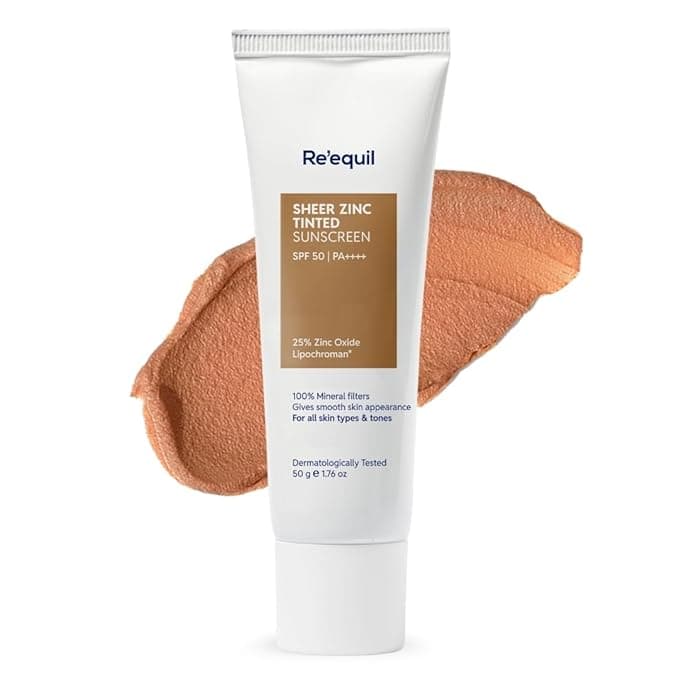
Sheer Mineral SPF 50 — Best Everyday Sunscreen
A lightweight, mineral-based sunscreen that sits well under makeup and doesn't leave the heavy white cast some mineral formulas are known for — a good, gentle starting point for sensitive or first-time sunscreen users.
Pros
- Broad-spectrum SPF 50 protection
- Lightweight, non-greasy finish
- Suitable for sensitive skin
Cons
- Slightly higher price than chemical sunscreens
- May need a top-up in peak summer heat
Rice Water Glow Essence — Best First Hydration Step
An easy way to add a light hydration boost without committing to a heavier serum right away — a gentle bridge between cleansing and moisturizing for beginners easing into more steps.
Pros
- Very lightweight and beginner-friendly
- Adds hydration without feeling heavy in humidity
- Mild niacinamide content supports barrier health
Cons
- Not a substitute for a proper moisturizer
- Extra step some beginners may prefer to skip initially
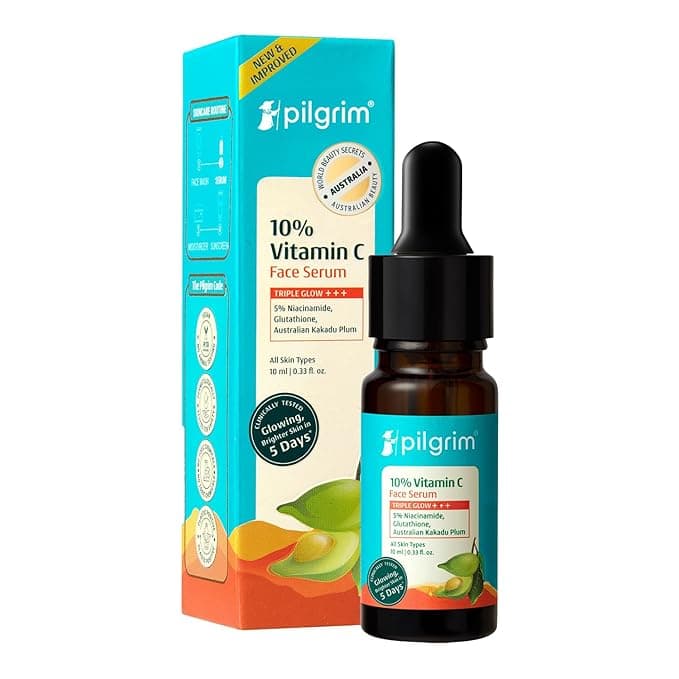
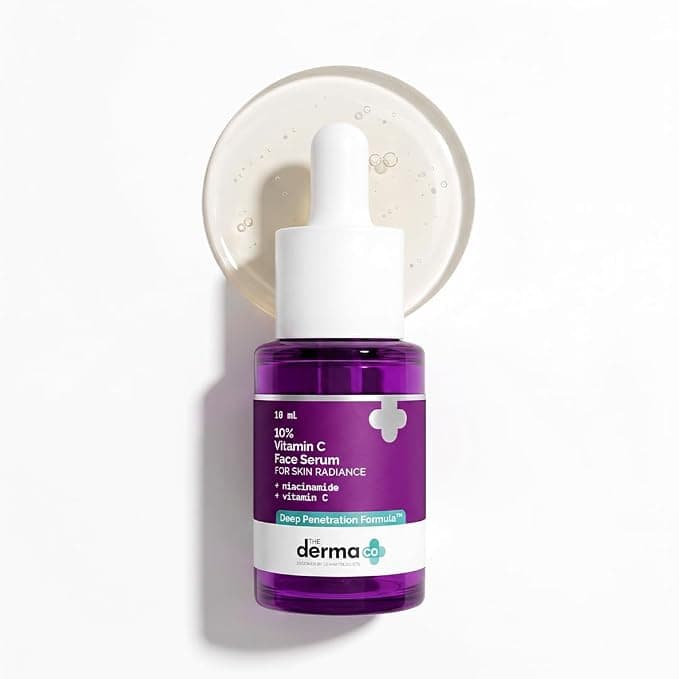
Suvarna Brightening Vitamin C Serum — Best First Treatment Product
A gentle, derivative-based vitamin C serum that's a sensible first "active" to introduce once your basic routine is established, without the irritation risk of stronger L-ascorbic acid formulas.
Pros
- Gentle enough for first-time active users
- Affordable
- Adds brightening without high irritation risk
Cons
- Slower results than higher-strength serums
- Still needs to be introduced gradually, not daily from day one
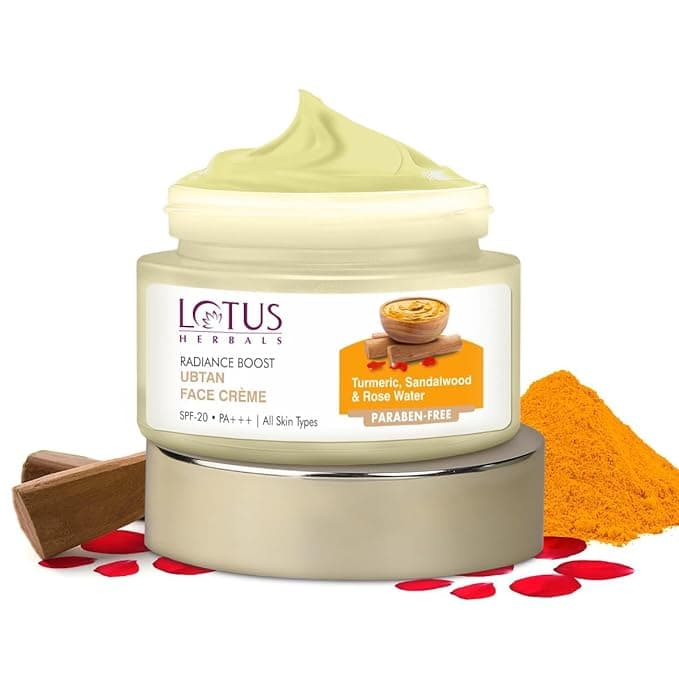
Ubtan Turmeric Radiance Cream — Best Budget, Ayurvedic Option
For beginners who'd rather start with a familiar, natural-ingredient product than a lab-formulated active, this turmeric-based cream offers gentle brightening with ingredients many Indian households already trust.
Pros
- Familiar, natural ingredients
- Very affordable
- Gentle enough for daily use from the start
Cons
- Results are gradual, not dramatic
- Turmeric can temporarily tint very fair skin if not blended in fully
Step-by-Step: Your First 4 Weeks
- 1Week 1: Start with just cleanser, moisturizer, and sunscreen (AM) — nothing else. Let your skin adjust.
- 2Week 2: Keep the same routine. Note any changes — is your skin calmer, oilier, drier?
- 3Week 3: Introduce one treatment product (like a gentle vitamin C serum) 2-3 times a week, not daily.
- 4Week 4: If there's no irritation, increase the treatment product to daily use, still keeping the rest of the routine unchanged.
- 5Patch test any new product on your inner arm or jawline for 24-48 hours before applying it to your full face.
Common Mistakes Beginners Make in India
- Skipping sunscreen, either due to the white-cast myth or the belief that darker skin tones don't need it.
- Using heavy, imported creams designed for cooler, drier climates that feel suffocating in Indian humidity.
- Starting with too many actives (retinol, vitamin C, exfoliants) at once instead of introducing them one at a time.
- Over-washing or over-exfoliating oily skin, which strips the barrier and triggers more oil production.
- Expecting visible results within days — most routines need 4-6 weeks of consistent use to show real change.
Expert Tips
Keep a Simple Skin Diary
Jot down what you used and how your skin looked and felt for the first month. It's the easiest way to spot patterns — like a product that consistently causes breakouts or one that finally calms redness.
The beginners who see the best results aren't the ones with the most expensive products — they're the ones who stick to four simple steps every single day, especially sunscreen.
Final Verdict
If you take away one thing from this guide, let it be this: start small. A cleanser, a lightweight moisturizer, and daily sunscreen will do more for your skin over the next few months than any elaborate routine you abandon after two weeks. Add one treatment step once that foundation is solid, and build from there as your skin — and budget — allows.
Conclusion
Skincare doesn't have to be intimidating or expensive to work, especially when you're just starting out. Match your routine to Indian weather, introduce products slowly, and never skip sunscreen. If this guide helped you get started, explore more of our beginner-friendly skincare guides and subscribe to the Glow by Kudozz newsletter for weekly, no-fluff beauty advice.
Frequently Asked Questions
Sources
Related Products
As an Amazon Associate, we earn from qualifying purchases. Links may earn a small commission at no extra cost to you.
You Might Also Like
Skincare5-Minute Skincare Routine: A Fast, Effective Guide
No time doesn't mean no routine — here's a genuinely effective skincare routine that takes five minutes or less, morning or night.
 Skincare
Skincare Routine for Travelers: Staying Glowy Through Time Zones & Climate Shifts
A travel-friendly skincare routine for handling flight dehydration, sudden climate changes, and packing constraints — without your skin paying the price for your itinerary.
 Skincare
Skincare Routine for Dry Skin: A Complete Step-by-Step Guide
Tight, flaky, and uncomfortable — a dry skin routine built around ceramides, hyaluronic acid, and richer textures, adjusted for Indian weather.
Related Articles

Stay in the glow
Weekly routines and honest reviews, straight to your inbox.