How to Build a Skincare Routine According to Your Skin Type (India Edition)
Oily, dry, combination, or sensitive — your skin type should decide your routine, not the other way around. A dermatologist-informed, India-specific guide.

Jump to a section
Key Takeaways
- Identify your skin type first — oily, dry, combination, sensitive, or normal — before choosing any product.
- Oily and acne-prone skin does best with gel-based, oil-free, non-comedogenic formulas and gentle salicylic-acid exfoliation.
- Dry skin needs cream cleansers and richer moisturizers with ceramides or hyaluronic acid, but can still overheat in Indian humidity — go lighter than global guides suggest.
- Combination skin benefits from a zone-based routine: oil control on the T-zone, hydration on the cheeks.
- Sensitive skin should stick to fragrance-free, minimal-ingredient products and introduce anything new one at a time, with a patch test.
- Sunscreen is the one step every skin type needs daily, regardless of oiliness, dryness, or sensitivity.
Most skincare disappointment doesn't come from a bad product — it comes from the wrong product for your skin type. A rich, ceramide-heavy cream that's perfect for dry skin can trigger breakouts on oily skin. A gel cleanser formulated for oil control can leave dry skin feeling stripped and tight. The fix isn't more products; it's matching what you use to what your skin actually needs.
This guide breaks down a complete routine for each major skin type, with adjustments specific to Indian weather — because a routine copied from a cooler, drier climate often needs tweaking before it works here.
Quick Answer: Routines by Skin Type
- Oily skin: gel cleanser, oil-free gel moisturizer, matte or gel sunscreen, salicylic acid 2-3x a week
- Dry skin: cream cleanser, ceramide or hyaluronic acid moisturizer, hydrating sunscreen, gentle exfoliation once weekly
- Combination skin: gel cleanser, lightweight gel-cream moisturizer, zone-based treatment (oil control on T-zone, hydration on cheeks)
- Sensitive skin: fragrance-free cream cleanser, minimal-ingredient moisturizer, mineral sunscreen, one new product at a time
- Normal skin: balanced gel-cream routine with room to add treatment actives (vitamin C, retinol) as desired
Who Should Read This Guide
- Anyone whose current routine isn't working and suspects it's the wrong fit for their skin type
- Readers switching seasons (monsoon to winter) whose skin behavior is changing
- People who've been told they have 'combination' or 'sensitive' skin but don't know what that means for product choice
- Anyone building a routine from scratch who wants it tailored correctly the first time
How to Correctly Identify Your Skin Type
Cleanse your face with a gentle, neutral cleanser and don't apply anything else for an hour. Then check how your skin looks and feels — this simple test is more reliable than guessing based on how your skin behaves right after washing.
| What You Observe | Likely Skin Type |
|---|---|
| Shiny all over, especially forehead, nose, and chin | Oily |
| Tight, flaky, or dull with no shine anywhere | Dry |
| Shiny T-zone, but normal or tight on cheeks | Combination |
| Comfortable, no tightness or excess shine | Normal |
| Redness, stinging, or reacts easily to new products regardless of oil level | Sensitive (can overlap with any of the above) |
Routine for Oily and Acne-Prone Skin
Oily skin in India faces a double challenge: genetically higher sebum production combined with heat and humidity that increase oil output further. The goal isn't to strip oil away completely — that backfires by triggering more oil production — but to keep pores clear and control shine with lightweight formulas.
- Cleanser: a foaming or gel cleanser, ideally with a mild salicylic acid content
- Moisturizer: oil-free, gel-based, labeled non-comedogenic
- Treatment: salicylic acid or niacinamide 2-3 times a week to manage oil and minimize breakouts
- Sunscreen: matte-finish or gel sunscreen — avoid thick, cream-based SPF formulas
Don't Over-Cleanse Oily Skin
Washing your face more than twice a day or using harsh, stripping cleansers can damage your skin barrier, which paradoxically makes oily skin produce even more oil to compensate.
Routine for Dry Skin
Dry skin is less common as a standalone type in India's climate but shows up strongly in air-conditioned offices, during winter months in northern India, and in naturally drier skin types year-round. The priority is replenishing and locking in moisture without using textures so heavy they feel uncomfortable in the heat.
- Cleanser: a cream or hydrating cleanser that doesn't foam heavily or leave skin feeling tight
- Moisturizer: look for ceramides, hyaluronic acid, or squalane — richer than what oily skin needs, but still wearable in Indian weather
- Treatment: gentle exfoliation (once a week, at most) to prevent flaky buildup without over-stripping
- Sunscreen: a hydrating or cream-based sunscreen rather than a matte, oil-absorbing formula
Routine for Combination Skin
Combination skin — an oily T-zone paired with normal-to-dry cheeks — is one of the most common skin types in India, especially in humid coastal cities. Rather than choosing products for one extreme, treat different zones of your face differently.
- Cleanser: a gentle gel cleanser that won't over-dry the cheeks while cleaning the T-zone effectively
- Moisturizer: a lightweight gel-cream applied evenly, or layered slightly heavier on the cheeks only
- Treatment: apply oil-control actives like niacinamide mainly on the T-zone, and hydrating serums on the cheeks
- Sunscreen: a lightweight, non-greasy formula that works across both zones
Routine for Sensitive Skin
Sensitive skin can overlap with any of the other types — you can have oily-sensitive or dry-sensitive skin. The defining trait is reactivity: redness, stinging, or breakouts triggered by fragrance, harsh actives, or too many new products introduced at once.
- Cleanser: fragrance-free, sulfate-free, and as short an ingredient list as possible
- Moisturizer: minimal-ingredient formulas, ideally with soothing ingredients like centella asiatica or aloe
- Treatment: introduce one new active at a time, spaced at least two weeks apart, always with a patch test first
- Sunscreen: mineral (zinc oxide or titanium dioxide) formulas are generally better tolerated than chemical sunscreens
Patch Test Every Time
For sensitive skin, patch test any new product — even ones marketed as 'gentle' or 'sensitive skin approved' — on your inner arm or jawline for 48 hours before applying it to your full face.
Routine for Normal Skin
Normal skin — balanced, rarely reactive, without significant oiliness or dryness — has the most flexibility. The main task is maintaining that balance and using sunscreen consistently, while being able to add treatment actives like vitamin C or retinol more freely than other skin types.
Product Recommendations by Skin Type
A few picks that map well to each skin type discussed above.
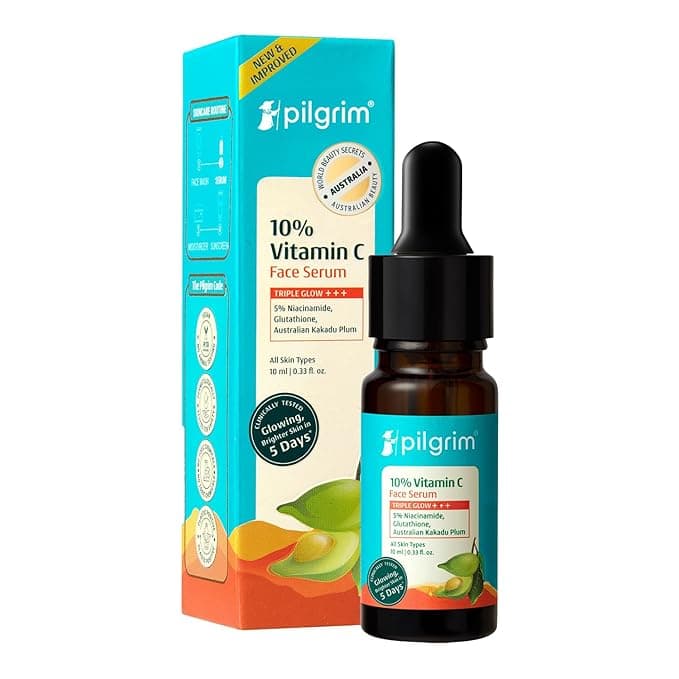
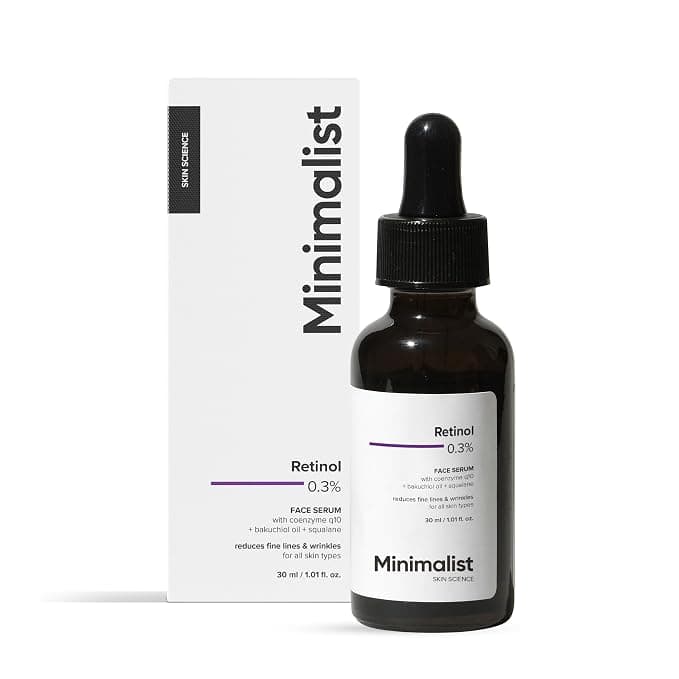


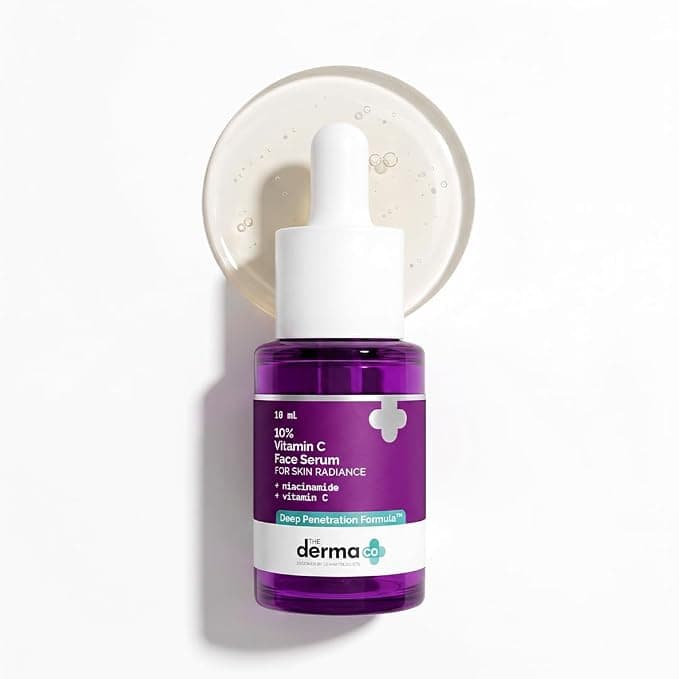
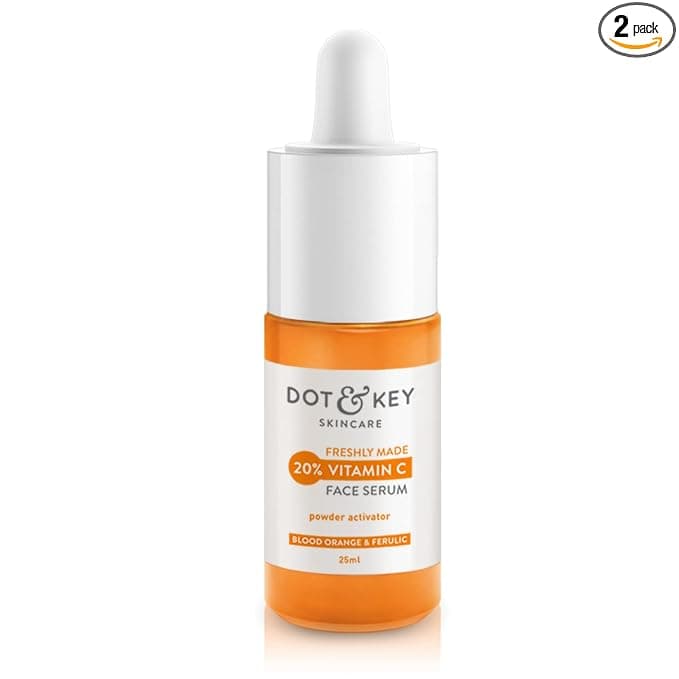
As an Amazon Associate, we earn from qualifying purchases. Links may earn a small commission at no extra cost to you.
Suvarna Brightening Vitamin C Serum — Best for Oily & Combination Skin
A lightweight, derivative-based vitamin C serum that adds brightening without the heaviness or irritation risk that oilier skin types often react to with stronger formulas.
Pros
- Very lightweight, non-greasy finish
- Suits oily and combination skin well
- Affordable entry point for treatment actives
Cons
- Milder results than higher-strength L-ascorbic acid serums
- Still needs gradual introduction, not daily from day one
Overnight Retinol Renewal Cream — Best for Dry & Normal Skin
A richer, nourishing night cream built around retinol, well suited to dry or normal skin types that can tolerate a stronger treatment step without the oil-control concerns oily skin needs to manage.
Pros
- Rich, hydrating texture supports dry skin overnight
- Retinol supports visible texture and fine-line improvement over time
- Suitable for normal skin wanting a stronger anti-aging step
Cons
- Too rich for very oily or acne-prone skin
- Requires gradual introduction and diligent daytime SPF use
Rice Water Glow Essence — Best for Combination Skin
A thin, layerable essence that hydrates the cheeks without adding heaviness to the T-zone, making it a practical zone-friendly step for combination skin types.
Pros
- Lightweight enough to layer only where needed
- Adds hydration without clogging oilier zones
- Works well year-round in Indian humidity
Cons
- Extra step that some may find unnecessary if already using a hydrating moisturizer
- Not a substitute for zone-specific treatment products
Second Skin Tint SPF 30 — Best for Sensitive Skin
A mineral-forward, lightly tinted sunscreen formulated to be gentler on reactive skin than many chemical sunscreens, while still offering light coverage.
Pros
- Mineral formula tends to suit sensitive skin better
- Light tint doubles as minimal coverage
- Comfortable, non-greasy wear
Cons
- Limited shade range compared to dedicated tinted moisturizers
- May need reapplication more often in direct sun
Common Mistakes by Skin Type
- Oily skin: skipping moisturizer entirely, which increases oil production over time.
- Dry skin: using a routine designed for cooler climates that feels too heavy and greasy in Indian humidity.
- Combination skin: applying the same product uniformly across the whole face instead of adjusting by zone.
- Sensitive skin: trying multiple new products at once, making it impossible to identify what caused a reaction.
- All skin types: assuming your skin type is fixed — it can shift with seasons, age, and hormonal changes, so re-check periodically.
Expert Tips
Re-Test Your Skin Type Each Season
Many people in India have noticeably oilier skin during monsoon and summer months, and drier skin in winter or with heavy air-conditioning exposure. It's normal — and often necessary — to adjust your moisturizer and cleanser texture by season rather than sticking to one formula year-round.
The single fastest way to improve a routine that isn't working is to re-check whether the products actually match the skin type — not add more products on top of a mismatched foundation.
Final Verdict
There's no universally 'best' routine — only the routine that's best matched to your skin type, the season, and Indian weather conditions. Start by correctly identifying your skin type using the one-hour test above, then build outward from cleanser, moisturizer, and sunscreen before adding treatment actives suited to your specific zone or concern.
Conclusion
Getting your skin type right is the single highest-leverage decision in any skincare routine — it determines almost everything else that follows. Revisit your skin type each season, adjust textures accordingly, and keep sunscreen as your one universal non-negotiable. For more dermatologist-informed guidance, explore our other skincare guides and subscribe to the Glow by Kudozz newsletter.
Frequently Asked Questions
Sources
Related Products
As an Amazon Associate, we earn from qualifying purchases. Links may earn a small commission at no extra cost to you.
You Might Also Like
 Skincare
Skincare Routine for Open Pores: A Complete Step-by-Step Guide
Pore size is largely genetic, but their visible appearance isn't fixed — here's the realistic, evidence-based routine to minimize how open pores look over time.
 Skincare
Skincare Routine for Large Pores: A Complete Step-by-Step Guide
Pores you can't shrink but can absolutely minimise the appearance of. Here's the realistic, science-backed routine for visibly refined skin texture.
 Skincare
Anti-Aging Skincare Routine: A Complete Step-by-Step Guide
The definitive, research-backed guide to building a comprehensive anti-aging routine — retinoids, antioxidants, SPF, hydration, and the lifestyle habits that tie it all together.
Related Articles


Stay in the glow
Weekly routines and honest reviews, straight to your inbox.