Complete Fragrance Guide for Beginners
New to perfume? Here's everything a beginner actually needs to know — concentration, notes, application, and how to buy without getting overwhelmed.

Jump to a section
Key Takeaways
- Fragrance concentration (parfum, eau de parfum, eau de toilette) determines strength and how long a scent lasts, not quality.
- Every fragrance evolves through top, middle, and base notes over several hours — the first spray isn't the full story.
- Apply fragrance to pulse points on clean, moisturized skin for the most even, long-lasting wear.
- Always test a new fragrance on your own skin and wait several hours before deciding — skin chemistry changes how a scent smells.
- A simple three-bottle starting collection (a fresh daytime scent, a warmer evening scent, and one true signature) covers most beginners' needs.
Fragrance shopping can feel intimidating fast — concentration percentages, note pyramids, sillage, projection, and a wall of bottles that all seem to promise something different. Strip away the jargon, though, and a beginner really only needs to understand four things to shop and wear fragrance with confidence.
Quick Answer: What Beginners Actually Need to Know
- Concentration: Parfum lasts longest and is strongest, eau de parfum is a versatile middle ground, eau de toilette is lighter and more casual
- Notes: Every fragrance changes over several hours as top, middle, and base notes take turns leading
- Application: 2-4 sprays to pulse points on clean, moisturized skin, without rubbing
- Testing: Always try on skin, not just paper, and wait at least 30 minutes to a few hours before judging
There's No 'Correct' Fragrance to Start With
Beginners often feel pressure to pick a universally 'safe' first scent. There isn't one — the right starting fragrance is simply one you genuinely enjoy wearing, tested properly on your own skin.
Understanding Concentration
Concentration refers to the percentage of aromatic compounds (fragrance oil) diluted in alcohol and water. Higher concentration generally means a stronger scent that lasts longer and often costs more, since more of the (expensive) fragrance oil is used. Parfum (20-30%) sits at the top, eau de parfum (15-20%) is the most common and versatile choice, and eau de toilette (5-15%) is lighter, often preferred for daytime or hot weather.

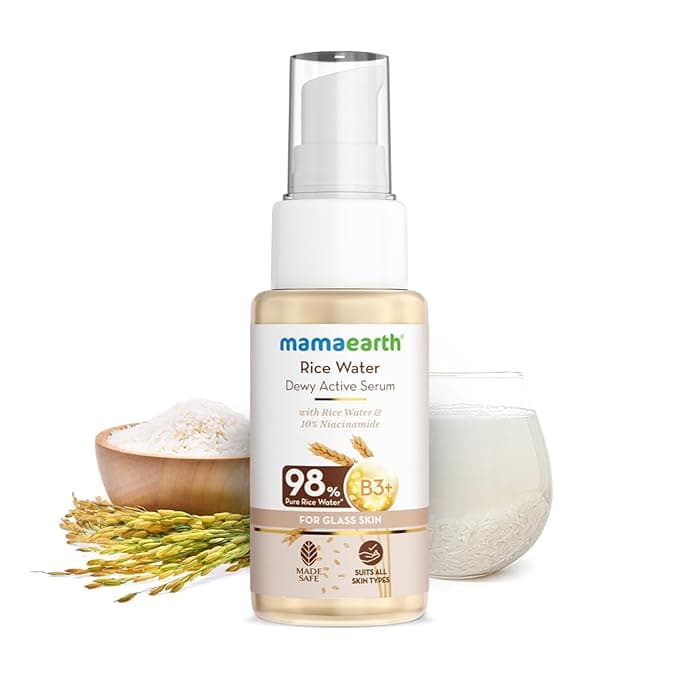
As an Amazon Associate, we earn from qualifying purchases. Links may earn a small commission at no extra cost to you.
Understanding How Fragrance Evolves
- Top notes: The first impression, lasting 5-15 minutes, usually light and bright (citrus, herbs)
- Middle (heart) notes: The core character of the scent, emerging as top notes fade, lasting a few hours (florals, spices)
- Base notes: The lasting foundation, emerging hours in and lingering longest (woods, musk, amber)
- A fragrance you smell straight from the bottle or a paper strip is mostly showing you the top notes — always give it time on skin
Applying Fragrance Correctly
Apply to pulse points — wrists, neck, inner elbows — where warmth from blood flow helps the scent diffuse throughout the day. Spray from about 5-7 centimeters away rather than directly onto skin, and resist the urge to rub wrists together afterward, which can break down some of the fragrance's more delicate top notes.
Testing Before You Buy
- Test on skin, not just a paper strip — your skin chemistry changes how a fragrance actually smells and performs
- Test no more than 2-3 fragrances at once; your nose fatigues quickly and can't reliably distinguish more than that
- Wait at least 30 minutes, ideally a few hours, before deciding — a fragrance's true character only shows up as it moves through its notes
- Wear a candidate fragrance for a full day before committing to a full bottle, if the store or brand allows samples
Start Small
Sample vials or travel sizes are a low-risk way to build a small fragrance wardrobe before committing to full-size bottles, especially while you're still learning what you actually like.
Building a Simple Starting Collection
| Role | Typical Notes | When to Wear |
|---|---|---|
| Fresh daytime scent | Citrus, green, light florals | Work, daytime, warm weather |
| Warmer evening scent | Amber, spice, woods | Evenings, dinners, cooler weather |
| True signature | Whatever you're drawn to consistently | Anytime — the one that feels like 'you' |
Pros
- Testing fragrance on skin and waiting before deciding
- Starting with samples or travel sizes while you're still learning your preferences
- Understanding that a fragrance changes over several hours, not just at first spray
Cons
- Judging a fragrance only from the bottle or a quick paper strip test
- Testing more than 2-3 scents in one visit
- Rubbing wrists together after applying, which can alter the top notes
New fragrance wearers overthink the 'rules' far more than they need to. Test properly, give it time, and trust what you actually enjoy smelling.
Final Verdict
Fragrance doesn't need to be intimidating — understand concentration, expect a scent to evolve over several hours, apply it correctly to pulse points, and always test properly on skin before buying. Everything else is refinement you'll pick up naturally as you explore.
Frequently Asked Questions
Sources
Related Products
As an Amazon Associate, we earn from qualifying purchases. Links may earn a small commission at no extra cost to you.
You Might Also Like
 Fragrance
How to Choose the Right Perfume
Overwhelmed by choice at the fragrance counter? A practical framework for narrowing down the right perfume based on occasion, season, and personality.
 Fragrance
Eau de Parfum vs Eau de Toilette vs Parfum: What's the Difference?
Same fragrance, different concentration — here's exactly what separates parfum, eau de parfum, and eau de toilette, and which one actually suits you.
 Fragrance
How Long Does Perfume Last?
Longevity varies wildly between fragrances and people. Here's what actually determines how long a perfume lasts, and realistic expectations by concentration.
Related Articles
Stay in the glow
Weekly routines and honest reviews, straight to your inbox.