Complete Scalp Care Guide: The Foundation of Healthy Hair
Healthy hair starts at the scalp. A complete guide to scalp exfoliation, buildup, massage, and the ingredients actually worth using.

Jump to a section
Key Takeaways
- Scalp buildup from product residue, oil, and dead skin cells can block follicles and affect how healthy hair grows in.
- Scalp exfoliation, using a gentle scrub or chemical exfoliant, helps clear buildup that regular shampooing alone often misses.
- Scalp massage improves comfort and may support circulation, though it's a complement to routine, not a replacement for it.
- Dandruff and dry scalp look similar but have different causes and need different treatment approaches.
- A dedicated scalp-care step, separate from hair styling, is what actually supports long-term hair health at the source.
Healthy hair grows from a healthy scalp — yet most routines treat the scalp as an afterthought to shampooing rather than a dedicated area of care in its own right. A complete scalp care routine addresses buildup, exfoliation, circulation, and the specific issues your scalp actually has.
Quick Answer: The Core Scalp Care Routine
- Weekly: Gentle scalp exfoliation (physical scrub or chemical exfoliant like salicylic acid) to clear buildup
- Daily or every wash: Cleanse with a formula matched to your specific scalp type
- A few times a week: Scalp massage, either with fingertips or a scalp massaging tool, for a minute or two
- As needed: Targeted treatment for specific concerns like dandruff, dryness, or excess oil
Think of Your Scalp Like Facial Skin
Your scalp is skin, with the same basic needs: gentle cleansing, occasional exfoliation, and protection from buildup. Treating it with the same intentionality as your face often resolves issues shampoo alone can't.
Understanding Scalp Buildup
Product residue, natural sebum, dead skin cells, and environmental pollutants accumulate on the scalp over time, and regular shampooing doesn't always fully clear it, especially with styling products that use waxes or silicones. Buildup can leave hair looking flat and lifeless, and may contribute to scalp irritation or a less favorable environment for healthy hair growth.
How to Exfoliate Your Scalp
- Physical exfoliation: A scalp scrub with fine granules, massaged in before shampooing, physically lifts buildup and dead skin
- Chemical exfoliation: A leave-on or rinse-out scalp serum with salicylic acid or a similar exfoliant dissolves buildup without physical scrubbing
- Frequency: Once a week is a reasonable starting point for most scalp types, adjusted based on how your scalp responds
- Always follow exfoliation with a gentle, hydrating shampoo to avoid over-stripping

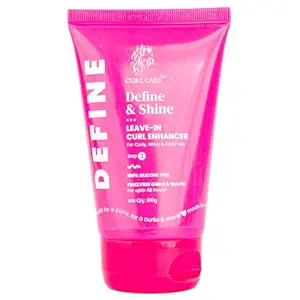
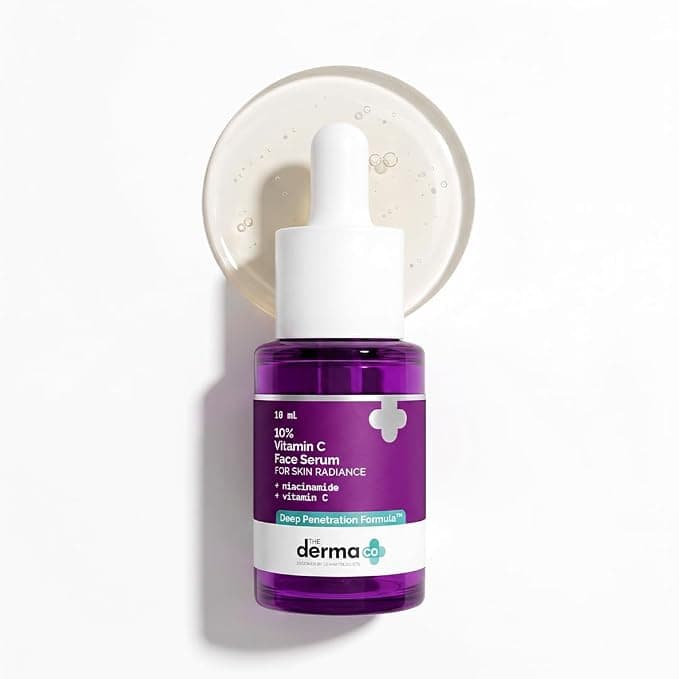
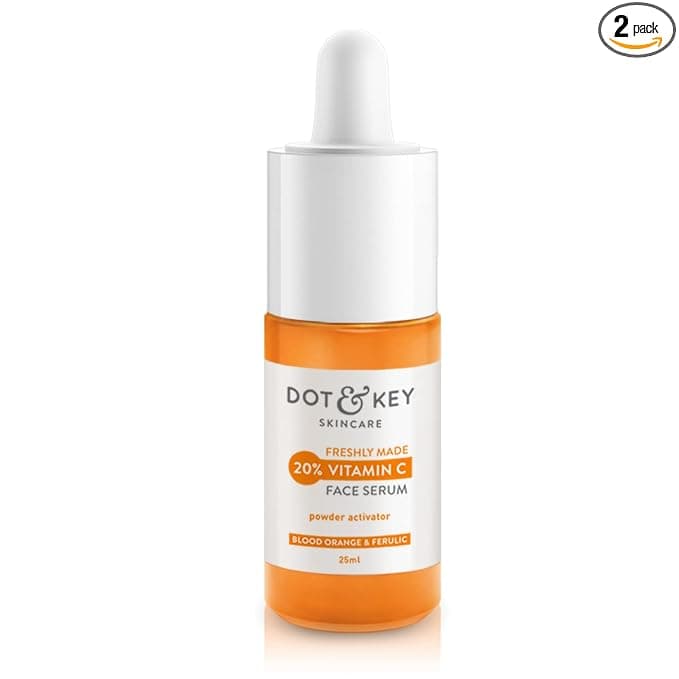
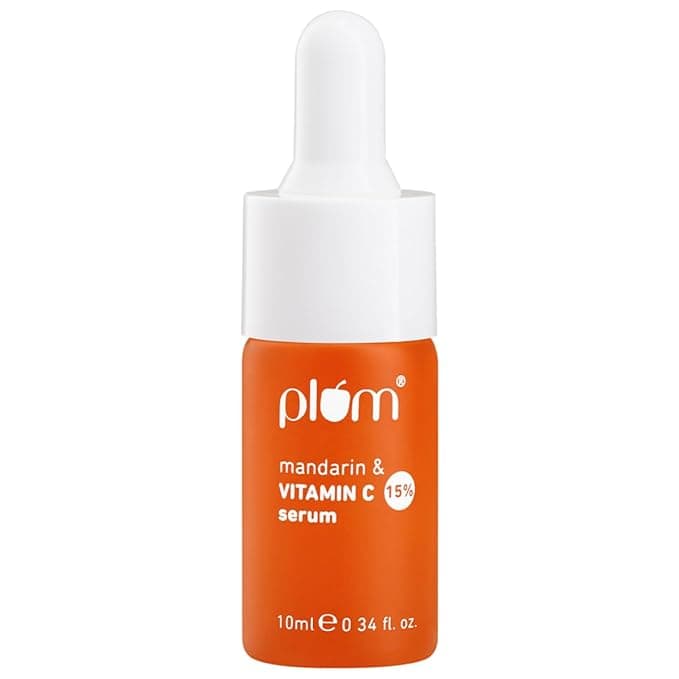
As an Amazon Associate, we earn from qualifying purchases. Links may earn a small commission at no extra cost to you.
Scalp Massage: What It Can and Can't Do
Massaging the scalp with fingertips or a silicone/bristle scalp massager for a minute or two, either dry or during shampooing, can improve comfort, help distribute natural oils, and may support blood flow to the area. It's a genuinely pleasant, low-risk addition to a routine, but it's a complement to a full scalp care approach, not a standalone fix for significant scalp or hair concerns.
Dandruff vs. Dry Scalp
- Dandruff: Often linked to an overgrowth of Malassezia yeast, producing larger, oilier flakes, sometimes with redness or itching
- Dry scalp: Usually from insufficient moisture or overly stripping products, producing smaller, drier flakes without the oily component
- Dandruff often responds well to anti-fungal ingredients like zinc pyrithione or ketoconazole; dry scalp responds better to gentle, moisturizing formulas
- If unsure which you have, a dermatologist can help distinguish between the two and recommend the right treatment approach
Don't Over-Exfoliate a Sensitive or Irritated Scalp
If your scalp is already irritated, flaking heavily, or reactive, start with cleansing and hydration before introducing exfoliation, and patch test any new scalp product on a small area first.
Building Scalp Care Into Your Routine
- Identify your scalp type (oily, dry, combination, or sensitive) before choosing products
- Add weekly exfoliation as a dedicated step, not an occasional afterthought
- Use scalp massage as a relaxing addition, not a substitute for cleansing or exfoliation
- Address dandruff or persistent irritation with targeted ingredients, or a dermatologist's guidance if it doesn't improve
| Step | Frequency | Purpose |
|---|---|---|
| Cleanse | Per your scalp type's needs | Remove daily oil and light buildup |
| Exfoliate | Weekly | Clear buildup regular shampooing misses |
| Massage | A few times a week | Comfort and potential circulation support |
| Targeted treatment | As needed | Address dandruff, dryness, or excess oil |
Pros
- Treating the scalp as its own dedicated area of care, not just an extension of hair styling
- Adding weekly exfoliation to clear buildup regular shampooing misses
- Distinguishing between dandruff and dry scalp before choosing a treatment
Cons
- Focusing entirely on hair length and shine while ignoring scalp health
- Over-exfoliating an already irritated or sensitive scalp
- Treating dandruff and dry scalp with the same generic approach
Nearly every hair concern eventually leads back to the scalp — it's the foundation, not an optional add-on step.
Final Verdict
A complete scalp care routine — regular cleansing matched to your scalp type, weekly exfoliation, occasional massage, and targeted treatment when needed — is the foundation healthy hair actually grows from. Give it the same dedicated attention you'd give your facial skin.
Frequently Asked Questions
Sources
Related Products

As an Amazon Associate, we earn from qualifying purchases. Links may earn a small commission at no extra cost to you.
You Might Also Like
 Haircare
How Often Should You Wash Your Hair? A Type-by-Type Guide
There's no universal wash frequency — the right answer depends on your hair type, scalp oiliness, and activity level. Here's how to find your actual number.
 Haircare
How to Find Your Scalp Type (Oily, Dry, Combination, or Sensitive)
Your scalp has its own type, separate from your hair — and getting it wrong is why some haircare routines never quite work. Here's how to identify yours.
 Skincare
Korean Skincare vs Indian Skincare: Which One Should You Follow?
Korean skincare routines and Indian skincare traditions solve different problems. Here's how they compare — and how to build a routine that borrows the best of both.
Related Articles
Stay in the glow
Weekly routines and honest reviews, straight to your inbox.