Skincare Routine for Combination Skin: A Complete Step-by-Step Guide
Oily T-zone, dry or normal cheeks — combination skin needs a zone-based approach, not a one-size-fits-all product. Here's how to balance both.

Jump to a section
Key Takeaways
- Combination skin means an oily T-zone (forehead, nose, chin) paired with normal-to-dry cheeks — not two unrelated skin types.
- A single lightweight, balanced routine works better than switching between two entirely different product sets.
- Zone-based application — more product on the cheeks, less on the T-zone — solves most combination-skin frustrations.
- Indian humidity tends to shift combination skin toward oilier, so default to lighter, non-comedogenic formulas.
- Niacinamide is especially useful for combination skin because it balances oil without over-drying the cheeks.
Combination skin is the type most often mismatched by generic advice, because most skincare content assumes your whole face behaves the same way. If your T-zone shines by noon while your cheeks stay normal or even feel a little dry, you're dealing with combination skin — and the fix is a routine that treats each zone appropriately, not two competing routines layered on top of each other.
This guide covers a zone-based approach that works with combination skin's natural pattern instead of forcing one product to do an impossible job across your entire face.
Quick Answer: The Combination Skin Routine
- AM: Gel cleanser, niacinamide serum (full face), lightweight gel-cream moisturizer (more on cheeks, less on T-zone), SPF 30+
- PM: Same cleanser, salicylic acid on the T-zone only 2-3x weekly, gel-cream moisturizer on the full face
- Zone rule: Treat oil on the T-zone, hydrate the cheeks — don't apply the same amount of product everywhere
Who Should Read This Guide
- Anyone whose forehead and nose look shiny while their cheeks stay matte or feel slightly dry
- Readers who've bought separate 'oily skin' and 'dry skin' product lines and ended up confused about what to use where
- People whose combination skin shifts seasonally — oilier in summer, drier in winter
Why Combination Skin Needs a Zone-Based Approach
The T-zone (forehead, nose, chin) has a higher concentration of sebaceous glands than the cheeks, which is why it tends to run oilier regardless of your overall skin type. Rather than choosing between 'oily skin' and 'dry skin' product lines, the more effective approach is one lightweight, balanced routine, applied with slightly more product on the cheeks and slightly more targeted treatment on the T-zone.
Combination Skin Changes With the Seasons
It's common for combination skin to run oilier across the whole face in Indian summer humidity and shift toward normal-to-dry in cooler, drier months. Reassess your zones every few months rather than assuming they're fixed.
Step 1: One Cleanser for the Whole Face
A gel cleanser that's gentle enough for the cheeks but effective enough to clear oil from the T-zone is the simplest solution — you don't need two separate cleansers. Avoid heavy cream cleansers (too rich for the T-zone) and harsh foaming cleansers (too stripping for the cheeks).
Step 2: Treat the T-Zone, Hydrate the Cheeks
Niacinamide works well applied across the entire face daily, since it balances oil without over-drying normal-to-dry areas. Salicylic acid, by contrast, should be applied only to the T-zone — forehead, nose, and chin — 2-3 times a week, rather than the whole face, to avoid over-drying the cheeks.
| Zone | Typical Behavior | What to Apply |
|---|---|---|
| T-zone (forehead, nose, chin) | Oilier, more prone to shine and clogged pores | Niacinamide daily, salicylic acid 2-3x weekly |
| Cheeks | Normal to slightly dry | Niacinamide daily, extra moisturizer layer |
| Whole face | Needs balance, not extremes | Lightweight gel-cream moisturizer, daily SPF |
Step 3: A Gel-Cream Moisturizer, Applied Unevenly on Purpose
A single gel-cream moisturizer, light enough not to clog the T-zone but hydrating enough for the cheeks, works for most combination skin. Apply a slightly thicker layer on the cheeks and a thinner layer across the T-zone — the same product, used unevenly on purpose.
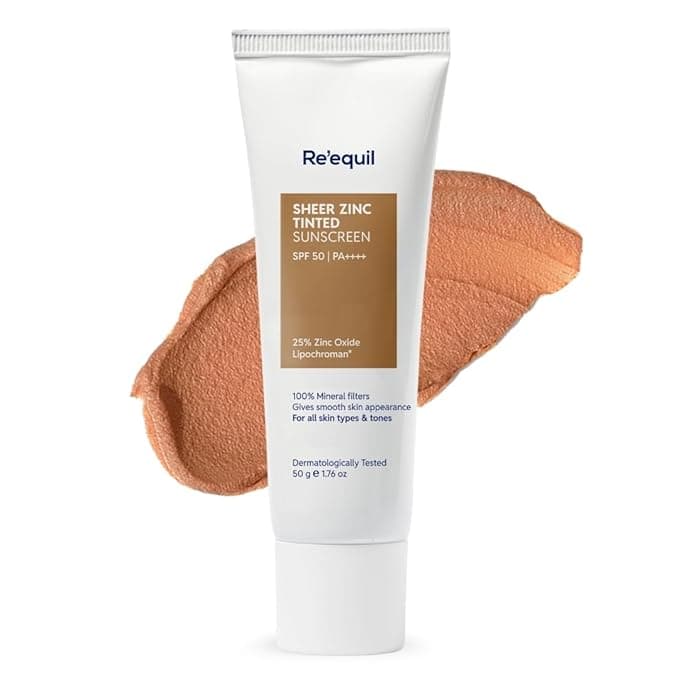
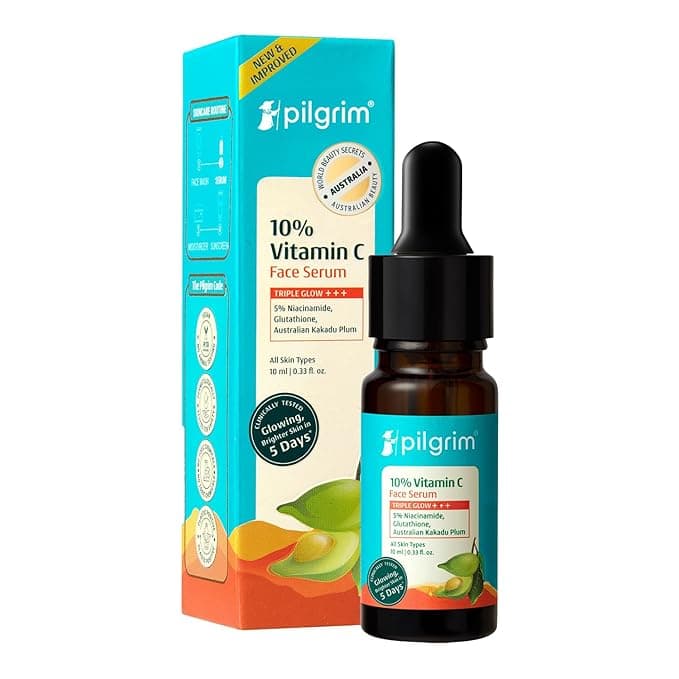
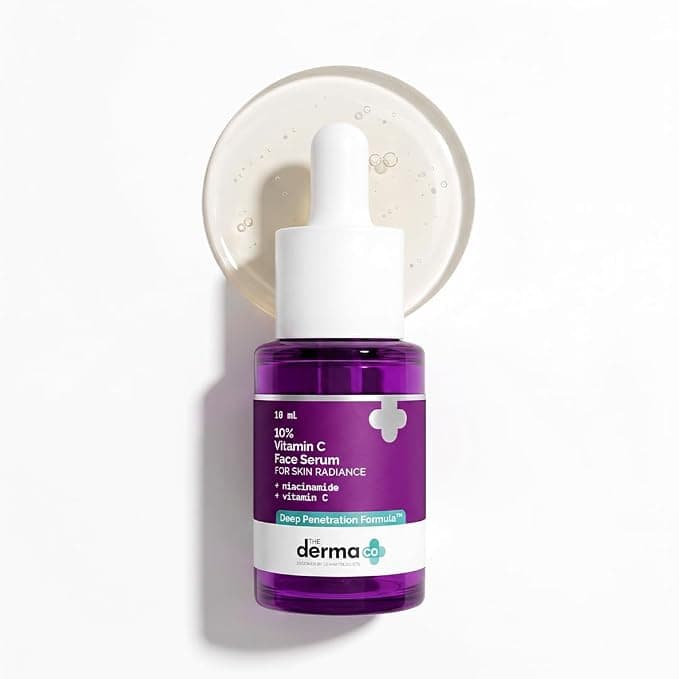
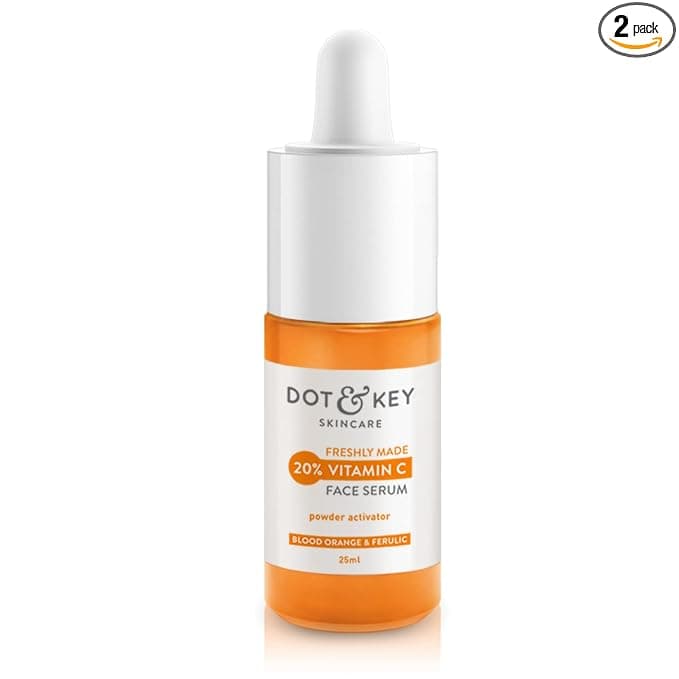
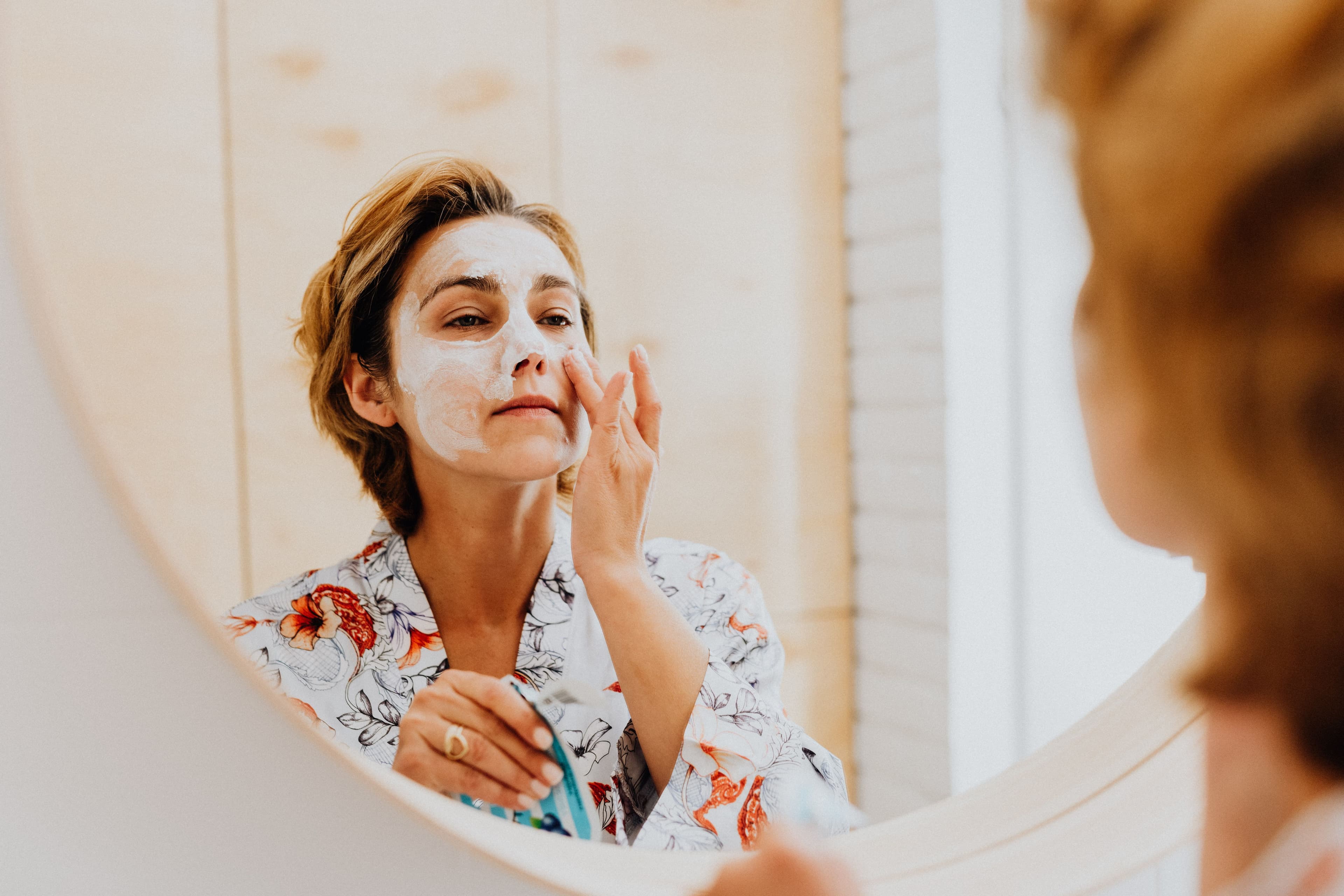
A balanced routine that works across both zones without over-treating either.


As an Amazon Associate, we earn from qualifying purchases. Links may earn a small commission at no extra cost to you.
Step-by-Step: Your Daily Combination Skin Routine
- 1Morning: Cleanse with a gel cleanser.
- 2Apply a niacinamide serum across the full face.
- 3Moisturize with a lightweight gel-cream — a bit more on the cheeks, less on the T-zone.
- 4Finish with broad-spectrum SPF 30+.
- 5Night: Cleanse again to remove the day's buildup.
- 62-3 nights a week: apply salicylic acid to the T-zone only.
- 7Moisturize the full face, adjusting thickness by zone as in the morning.
Common Mistakes With Combination Skin
- Applying the same amount of every product uniformly across the whole face.
- Buying two full separate routines — one for 'oily' and one for 'dry' — instead of one balanced routine.
- Using a mattifying product on the cheeks just because it works on the T-zone.
- Not reassessing your zones seasonally, when combination skin often shifts.
Expert Tips
Combination skin frustrates people because they keep looking for one product that treats the whole face identically. The fix isn't a better product — it's applying the same good product differently by zone.
Final Verdict
Combination skin doesn't need two routines — it needs one flexible one, applied with attention to how your T-zone and cheeks actually behave. Keep it lightweight, treat oil where it shows up, and hydrate where it doesn't.
Conclusion
A zone-based approach turns combination skin from a source of frustration into a manageable, even simple, routine. Stick to lightweight, balanced formulas and adjust application by zone rather than buying two competing product sets. If this guide helped, explore more of our skincare routines and subscribe to the Glow by Kudozz newsletter for weekly, no-fluff beauty advice.
Frequently Asked Questions
Sources
Related Products
As an Amazon Associate, we earn from qualifying purchases. Links may earn a small commission at no extra cost to you.
You Might Also Like
 Skincare
Complete Skincare Routine for Beginners in India (Step-by-Step Guide)
New to skincare? Here's a simple, budget-friendly routine built specifically for Indian skin, weather, and lifestyle — no 10-step regimen required.
Skincare5-Minute Skincare Routine: A Fast, Effective Guide
No time doesn't mean no routine — here's a genuinely effective skincare routine that takes five minutes or less, morning or night.
 Skincare
Skincare Routine for Travelers: Staying Glowy Through Time Zones & Climate Shifts
A travel-friendly skincare routine for handling flight dehydration, sudden climate changes, and packing constraints — without your skin paying the price for your itinerary.
Related Articles


Stay in the glow
Weekly routines and honest reviews, straight to your inbox.