Skincare Routine for Dry Skin: A Complete Step-by-Step Guide
Tight, flaky, and uncomfortable — a dry skin routine built around ceramides, hyaluronic acid, and richer textures, adjusted for Indian weather.

Jump to a section
Key Takeaways
- Dry skin needs a cream or hydrating cleanser — foaming, gel cleansers strip what little natural oil dry skin has.
- Ceramides and fatty acids repair the skin barrier directly, while hyaluronic acid pulls in water — the two work best together.
- Even dry skin can feel overwhelmed by very heavy creams in Indian humidity — go lighter in summer, richer in winter.
- Over-exfoliating is especially damaging for dry skin — once weekly is usually enough.
- Sunscreen is still essential for dry skin; look for hydrating, cream-based SPF formulas over matte or gel finishes.
Dry skin can feel tight within minutes of cleansing, flake around the nose and brows, and look dull no matter how much product you layer on. The fix isn't more products — it's the right combination of barrier-repairing ingredients, applied in a way that actually locks moisture in rather than letting it evaporate.
Dry skin routines written for cooler, drier Western or Korean climates often recommend genuinely heavy creams that can feel suffocating during an Indian summer. This guide adapts the core science of dry-skin care — barrier repair, humectants, and occlusion — to work with Indian weather instead of against it.
Quick Answer: The Dry Skin Routine
- AM: Cream or hydrating cleanser, hyaluronic acid serum, ceramide moisturizer, hydrating SPF 30+
- PM: Same cleanser, hyaluronic acid or ceramide serum, a richer night moisturizer
- 1x per week: Gentle exfoliation — a mild lactic acid or enzyme formula, not a harsh scrub
- Seasonal swap: Lighter cream in humid months, richer cream in winter or air-conditioned settings
Who Should Read This Guide
- Anyone whose skin feels tight, rough, or flaky, especially after cleansing
- Readers who've tried gel-based products marketed for 'all skin types' without relief
- People whose dry skin gets worse specifically in air-conditioned offices or during winter
- Anyone unsure whether they have dry skin or dehydrated skin
Understanding Dry Skin vs Dehydrated Skin
Dry skin is a skin type — it produces less natural oil, generally for genetic or hormonal reasons, and needs richer, lipid-replenishing products long-term. Dehydrated skin is a temporary condition — a lack of water, not oil — that can affect any skin type, including oily skin, and is usually fixed with hydrating, humectant-rich products rather than heavier creams alone.
A Quick Way to Tell the Difference
If your skin flakes and feels rough even right after moisturizing, it's likely genuinely dry (needs more oil/lipids). If it feels tight and dull but not rough, and looks fine an hour after moisturizing, it may be dehydrated (needs more water/humectants).
Step 1: A Cleanser That Doesn't Fight You
Foaming and gel cleansers, designed to cut oil, are often too stripping for dry skin. A cream or milk cleanser, or a gentle hydrating gel without sulfates, removes the day's buildup without leaving skin feeling tight afterward. Always rinse with lukewarm, not hot, water — hot water accelerates moisture loss.
Step 2: Layer Hyaluronic Acid on Damp Skin
Hyaluronic acid is a humectant — it draws water into the skin, but only if there's moisture available to pull from. Apply it to slightly damp skin, right after cleansing, then seal it in with a moisturizer within 60 seconds. Applied to bone-dry skin in a low-humidity room, hyaluronic acid can actually pull moisture out of the skin instead of in.
| Ingredient | Role | Best Used |
|---|---|---|
| Ceramides | Rebuild the skin barrier directly | AM and PM moisturizer |
| Hyaluronic acid | Draws water into skin (humectant) | On damp skin, before moisturizer |
| Squalane / fatty acids | Seals in moisture (occlusive/emollient) | Last step, especially at night |
| Lactic acid (mild) | Gentle exfoliation with added hydration | 1x weekly, evening only |
Step 3: Moisturize With Ceramides
Ceramides are lipids that occur naturally in the skin barrier, and dry skin typically has fewer of them. A moisturizer built around ceramides helps rebuild the barrier over time, reducing flakiness and tightness far more effectively than a simple heavy cream without targeted barrier ingredients.
Adjust Richness by Season, Not Just Skin Type
A gel-cream with ceramides can be enough in Indian summer humidity, while the same dry skin may need a genuinely rich cream in winter or under constant air conditioning. Don't assume 'dry skin' automatically means the heaviest cream year-round.
Step 4: Don't Skip Sunscreen
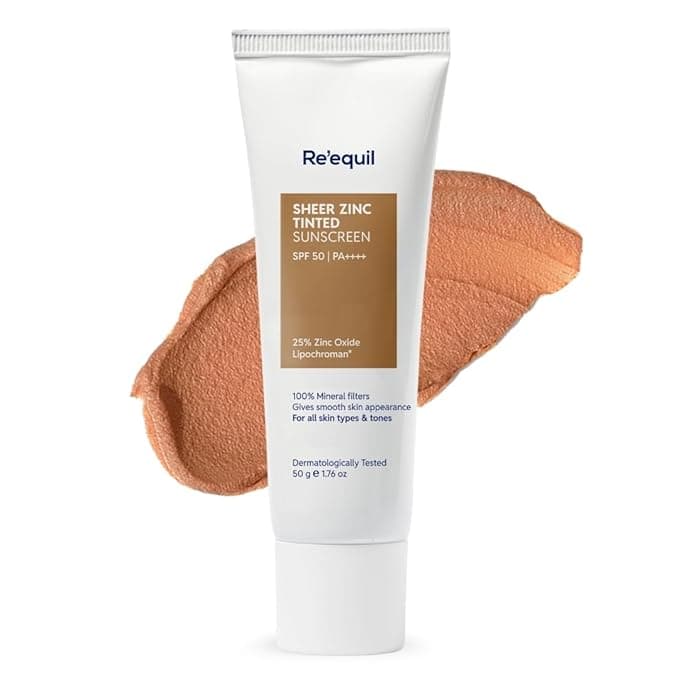
Dry skin is not exempt from UV damage, and in fact often shows visible signs of sun damage — fine lines, uneven texture — more quickly. Choose a hydrating, cream-based sunscreen rather than a matte or gel formula, which can further dry out the skin.
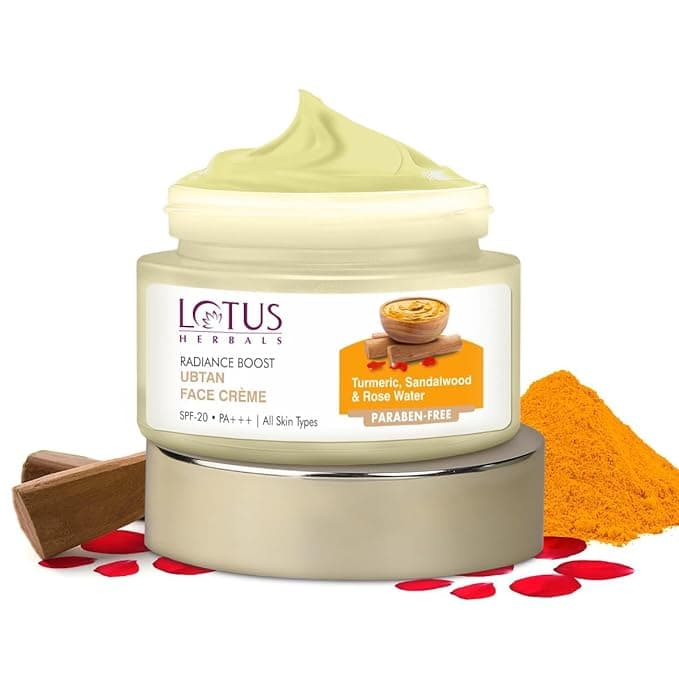
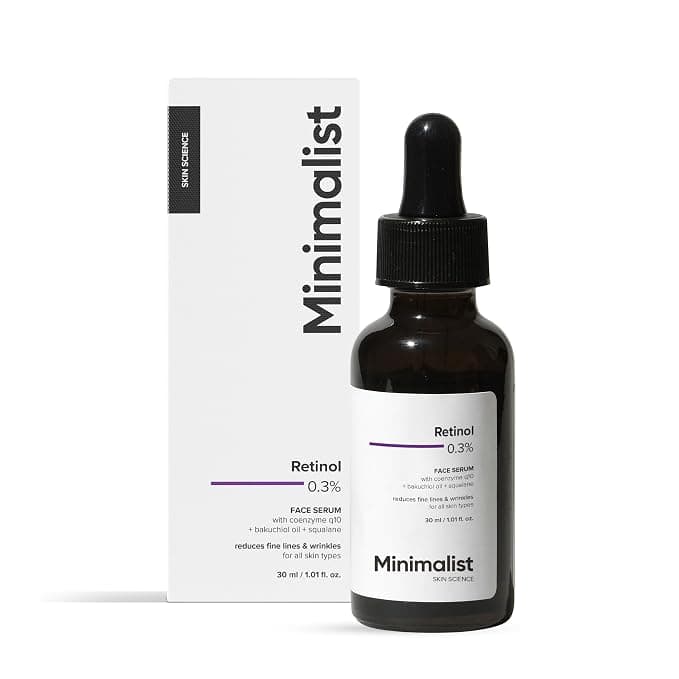
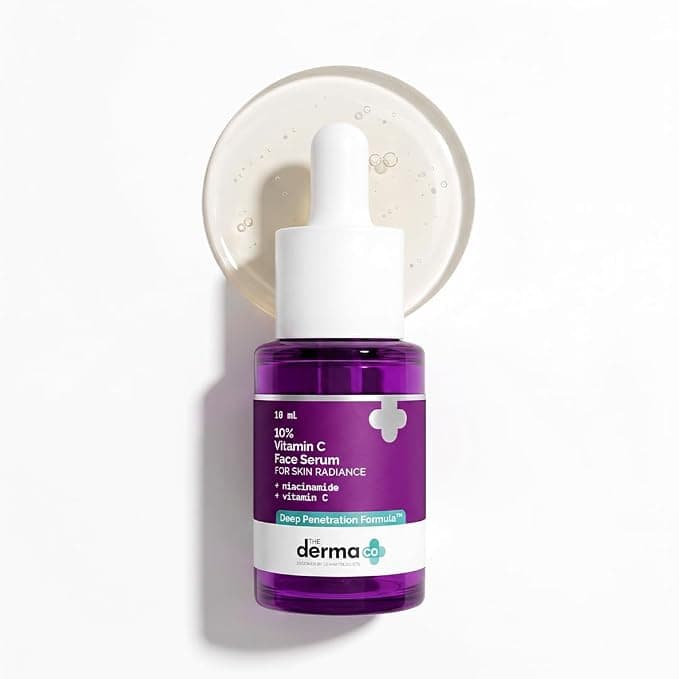
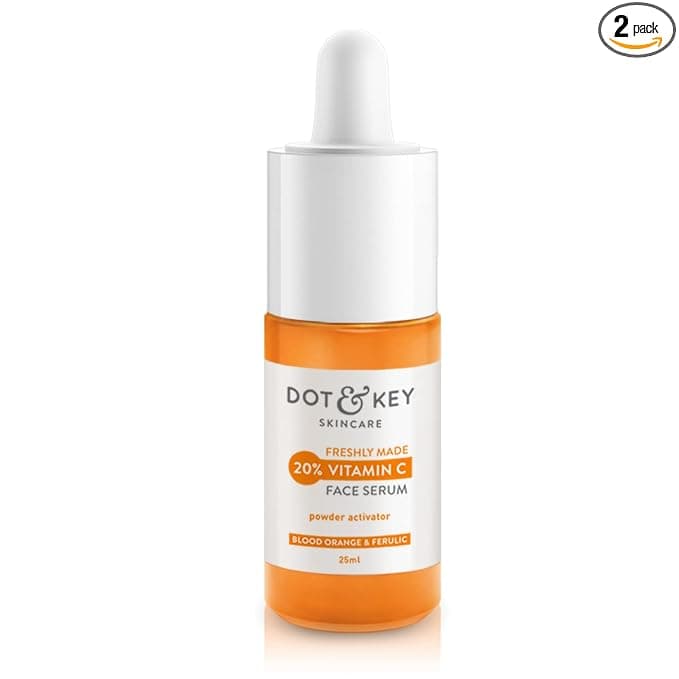
A dry-skin routine built for Indian weather, favoring barrier repair without heaviness.

As an Amazon Associate, we earn from qualifying purchases. Links may earn a small commission at no extra cost to you.
Step-by-Step: Your Daily Dry Skin Routine
- 1Morning: Cleanse with a cream or hydrating cleanser using lukewarm water.
- 2Apply a hyaluronic acid serum to damp skin.
- 3Seal with a ceramide-based moisturizer within 60 seconds.
- 4Finish with a hydrating, cream-based SPF 30+.
- 5Night: Cleanse again, gently.
- 6Apply a nourishing serum or facial oil suited to your concern.
- 7Follow with a richer night moisturizer, adjusting thickness for the season.
Common Mistakes With Dry Skin
- Using hot water to cleanse, which strips natural oils further.
- Applying hyaluronic acid to completely dry skin in a low-humidity room, where it can pull moisture out instead of in.
- Over-exfoliating, which damages an already compromised barrier.
- Skipping sunscreen because skin already feels dry and 'sensitive enough.'
- Using the same cream thickness year-round instead of adjusting for season and humidity.
Expert Tips
Most dry skin isn't under-moisturized — it's under-repaired. Hydration alone doesn't fix a compromised barrier; you need ceramides and fatty acids doing the structural work.
Final Verdict
Dry skin thrives on barrier-repair ingredients layered correctly — hyaluronic acid on damp skin, sealed with ceramides, adjusted seasonally. Skip the harsh cleansers and over-exfoliation, and don't assume you need the heaviest cream on the shelf year-round.
Conclusion
Dry skin responds well to consistency, gentle products, and barrier-focused ingredients — not sheer product volume. Layer hydration correctly, protect with sunscreen daily, and adjust richness by season. If this guide helped, explore more of our skincare routines and subscribe to the Glow by Kudozz newsletter for weekly, no-fluff beauty advice.
Frequently Asked Questions
Sources
Related Products
As an Amazon Associate, we earn from qualifying purchases. Links may earn a small commission at no extra cost to you.
You Might Also Like
 Skincare
Complete Skincare Routine for Beginners in India (Step-by-Step Guide)
New to skincare? Here's a simple, budget-friendly routine built specifically for Indian skin, weather, and lifestyle — no 10-step regimen required.
Skincare5-Minute Skincare Routine: A Fast, Effective Guide
No time doesn't mean no routine — here's a genuinely effective skincare routine that takes five minutes or less, morning or night.
 Skincare
Skincare Routine for Travelers: Staying Glowy Through Time Zones & Climate Shifts
A travel-friendly skincare routine for handling flight dehydration, sudden climate changes, and packing constraints — without your skin paying the price for your itinerary.
Related Articles


Stay in the glow
Weekly routines and honest reviews, straight to your inbox.