Skincare Routine for Night Shift Workers: Adapting to a Reversed Clock
A skincare routine designed for night shift workers — how to adapt sun protection, sleep-linked repair, and product timing when your schedule runs opposite to daylight.

Jump to a section
Key Takeaways
- Anchor your skincare routine to your personal wake/sleep cycle, not literal daytime and nighttime — your 'morning routine' may happen at 8pm.
- Sunscreen matters even for night shift workers, particularly during daylight commutes home after a shift.
- Disrupted circadian rhythm can affect skin barrier repair and cortisol levels, both of which influence skin appearance over time.
- Blackout curtains and consistent sleep timing support skin recovery as much as any topical product for night shift workers.
- Treat your pre-sleep routine (whenever that occurs) as your 'night routine,' with barrier-repair ingredients like ceramides and hydrating serums.
Most skincare advice assumes a routine built around daylight — cleanse in the morning, repair at night. Night shift work flips that structure entirely, and applying standard advice literally (rather than adapting it to your actual schedule) often leads to mistimed sun protection and disrupted skin repair. The fix is building your routine around your personal wake-sleep cycle, not the clock.
Quick Answer: The Core Night Shift Routine
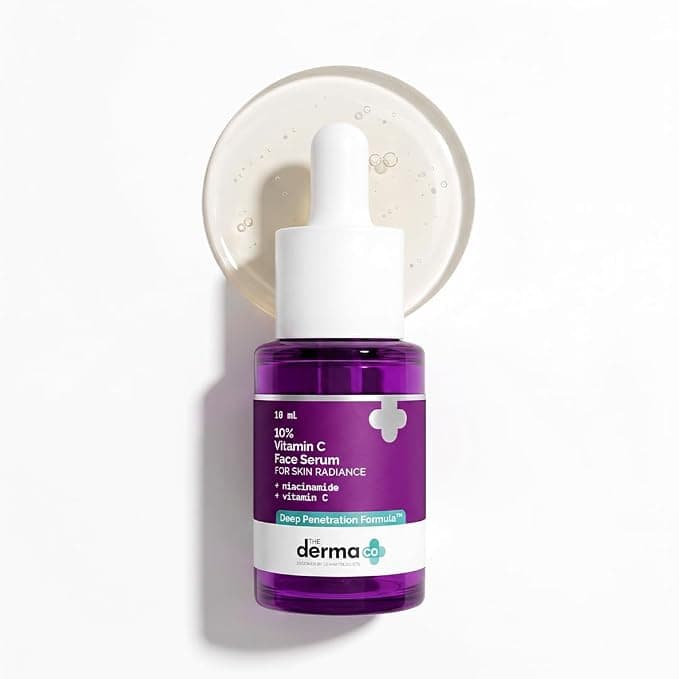
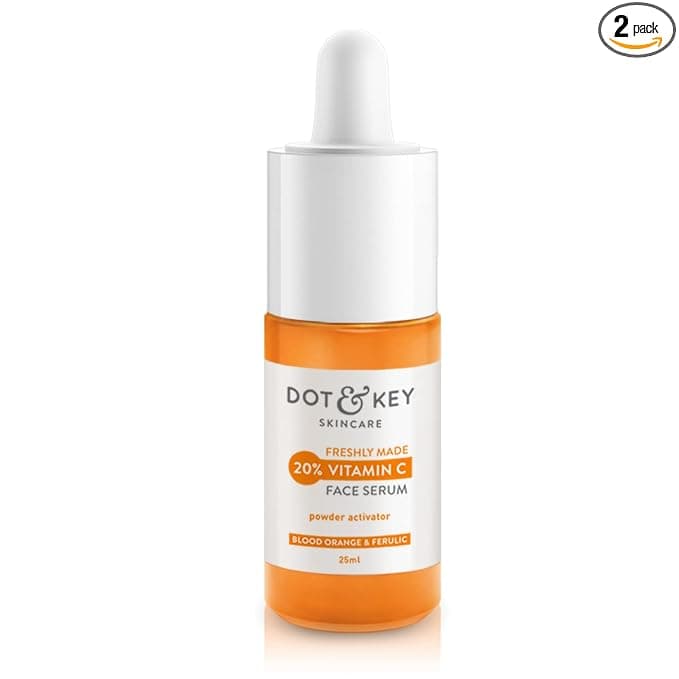
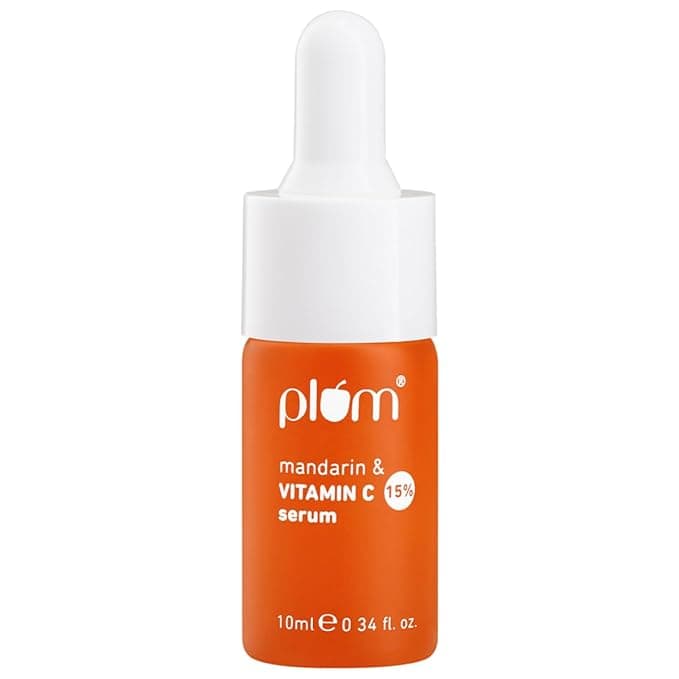
- Upon waking (whatever time that is): Cleanser → Vitamin C serum → Moisturizer → SPF if you'll see daylight before your shift
- Before your shift starts: Reapply sunscreen if your commute or break happens during daylight hours
- Before sleeping (your 'night routine', even if it's morning by the clock): Cleanse → Hydrating serum → Barrier-repair night cream
- Sleep environment: Blackout curtains and consistent sleep timing to support skin's natural repair processes
Your Body Doesn't Know It's 'Night'
Skin's repair processes are linked to your sleep cycle, not the literal time of day. As far as your skin is concerned, whenever you're sleeping is 'night' and whenever you're awake and active is 'day' — plan your routine accordingly.
Sun Protection on a Reversed Schedule
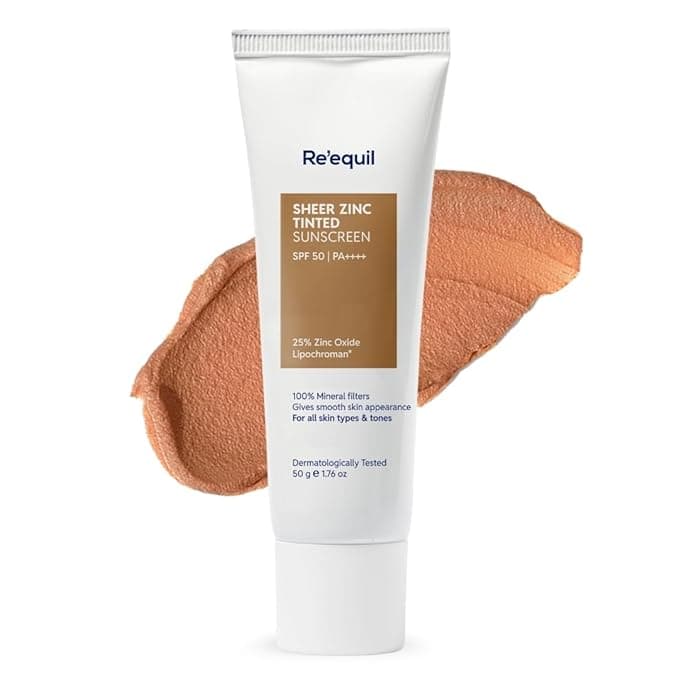
Night shift workers often assume sunscreen isn't relevant since they're not 'out in the sun' during typical hours — but daylight commutes, errands before or after a shift, or exposure through windows still count. Apply sunscreen any time you'll be in daylight, regardless of whether that's your personal morning or evening.


As an Amazon Associate, we earn from qualifying purchases. Links may earn a small commission at no extra cost to you.
Supporting Skin Repair Around Disrupted Sleep
- Use blackout curtains or a sleep mask to support consistent, quality sleep despite daytime light exposure
- Keep sleep timing as consistent as possible, even on days off, to minimize additional circadian disruption
- Apply barrier-repair ingredients (ceramides, hyaluronic acid) before sleeping, since this is when your skin does most of its repair work
- Manage stress where possible — chronically disrupted sleep can elevate cortisol, which is linked to increased breakouts and slower skin recovery
Timing Your Products Around Your Actual Schedule
Treat 'morning' as whenever you wake up and 'night' as whenever you go to sleep, regardless of what the clock says. Vitamin C and sunscreen belong in your wake-up routine if you'll see daylight; barrier-repair ingredients and any retinoid use belong in your pre-sleep routine, whenever that occurs in a 24-hour cycle.
Consistency Matters More Than Clock Time
The specific hour doesn't matter nearly as much as keeping the sequence and timing consistent relative to your own wake and sleep cycle, shift after shift.
Common Night Shift Skincare Mistakes
Pros
- Anchoring routine steps to personal wake/sleep times rather than literal clock hours
- Applying sunscreen during any daylight exposure, regardless of shift schedule
- Prioritizing consistent sleep timing to support skin repair
Cons
- Assuming sunscreen isn't needed because you work nights
- Skipping a 'night routine' because your sleep happens during daytime hours
- Letting sleep timing vary wildly between work days and days off
| Standard Advice | Night Shift Adaptation |
|---|---|
| Apply SPF in the morning | Apply SPF whenever you'll be in daylight, regardless of shift |
| Use retinol at night | Use retinol before your main sleep period, whenever that falls |
| Cleanse when you wake up | Cleanse when you wake up, even if that's in the evening |
| Get consistent nightly sleep | Get consistent sleep timing relative to your shift schedule, even on off days |
The most common mistake among night shift workers isn't wrong products — it's applying daytime advice literally instead of adapting it to their actual wake and sleep cycle.
Final Verdict
A night shift skincare routine works best when it follows your personal wake-sleep cycle rather than the literal clock. Keep sun protection consistent whenever you're in daylight, treat your pre-sleep routine as your true 'night' routine, and prioritize consistent sleep timing to support your skin's natural repair processes.
Frequently Asked Questions
Sources
Related Products

As an Amazon Associate, we earn from qualifying purchases. Links may earn a small commission at no extra cost to you.
You Might Also Like
 Skincare
Winter Skincare Routine for Indian Skin: Fixing Dryness the Right Way
A dermatologist-informed winter skincare routine for Indian skin — richer moisturizers, gentler cleansing, and barrier repair that fights dryness without clogging pores.
 Skincare
Skincare Routine for Office Workers: Fighting AC Dryness & Screen Fatigue
A practical skincare routine for office workers dealing with AC dryness, blue-light exposure, and long desk hours — built around quick steps that survive a 9-to-6 workday.
SkincareLazy Day Skincare Routine: The Bare Minimum That Still Works
Some days, even a five-minute routine feels like too much — here's the genuine bare minimum that still protects your skin when you have zero energy.
Related Articles



Stay in the glow
Weekly routines and honest reviews, straight to your inbox.