Skincare Routine for Oily T-Zone: A Complete Step-by-Step Guide
Shiny forehead and nose by noon, but dry or normal cheeks? Combination skin needs a zone-specific routine, not a one-size-fits-all fix. Here's how to balance it.
Jump to a section
Key Takeaways
- Combination skin needs different products applied to different zones of the face, not a single blanket routine.
- Over-stripping the T-zone with harsh products often backfires, triggering more oil production.
- Niacinamide is ideal for combination skin because it regulates sebum without over-drying.
- Lightweight, gel-based hydration keeps the T-zone matte while still nourishing drier cheek areas.
- India's humidity means most combination-skin sufferers need less heavy moisturiser than they think, but still need it daily.
Combination skin is arguably the most confusing skin type to shop for. You go to buy a mattifying gel for your oily forehead and nose, only to find it leaves your cheeks feeling tight and flaky by afternoon. Or you pick a rich cream for your dry cheeks, and by 2pm your T-zone looks like you dipped your face in oil.
The fix isn't finding one miracle product — it's learning to treat your face as having two zones with two different needs, while still keeping your routine simple enough to actually follow every day. This guide breaks down exactly how to do that.
Quick Answer: The Oily T-Zone Routine
- AM: Gel cleanser → Niacinamide serum (full face) → Lightweight gel moisturiser (cheeks get a bit more) → Mattifying SPF
- PM: Double cleanse → Targeted treatment on T-zone (salicylic acid or clay-adjacent serum) → Hydrating layer on cheeks
- Weekly: Clay mask on T-zone only, hydrating sheet mask focus on cheeks
- Blot, don't wipe: use blotting papers on the T-zone through the day instead of re-cleansing
Who Should Read This Guide
- Anyone whose forehead, nose, and chin get shiny while cheeks stay matte or dry
- People who break out mainly in the T-zone but rarely on the cheeks
- Those confused about whether to buy oily-skin or dry-skin products
- Anyone living in a humid climate struggling with an oily midface
Why the T-Zone Gets Oilier Than the Rest of Your Face
The forehead, nose, and chin have a higher density of sebaceous glands compared to the cheeks and jawline. This is purely anatomical — it's not something you're doing wrong. Hormones, humidity, and genetics all amplify how active those glands are, which is why the T-zone shines faster in hot, humid Indian weather while the cheeks can stay comfortably balanced or even dry.
Combination skin isn't a flaw
It's simply uneven sebaceous gland distribution across your face — completely normal and very common, especially in humid climates.
| Zone | Common issue | What to use there |
|---|---|---|
| Forehead/Nose/Chin (T-zone) | Excess oil, enlarged pores, blackheads | Niacinamide, salicylic acid, lightweight gel moisturiser |
| Cheeks | Dryness, flaking, sensitivity | Hyaluronic acid, ceramides, slightly richer cream |
| Under-eyes | Dryness, fine lines | Gentle hydrating eye cream, regardless of T-zone oil |
| Jawline | Hormonal breakouts | Spot treatment as needed, otherwise treat like cheeks |
Multi-Masking: The Combination Skin Secret Weapon
Multi-masking means applying a clay or charcoal mask specifically on your T-zone while applying a hydrating gel or sheet mask on your cheeks at the same time. This lets you address both concerns simultaneously instead of picking one and neglecting the other zone.
Niacinamide deserves special mention here because unlike harsher oil-control ingredients, it works well across the whole face — it regulates sebum in the T-zone while also being gentle and hydrating enough for drier cheek skin, making it the single ingredient most worth building your routine around.
Don't skip moisturiser on the T-zone
Skipping moisturiser on oily areas often makes skin produce even more oil to compensate. Use a light gel formula instead of skipping entirely.
These picks work well for a combination-skin, T-zone-focused routine in a humid climate.
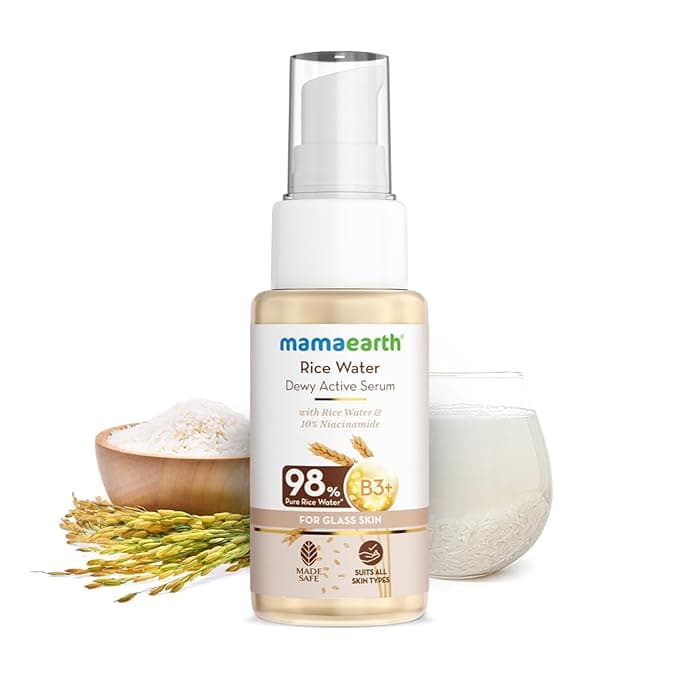
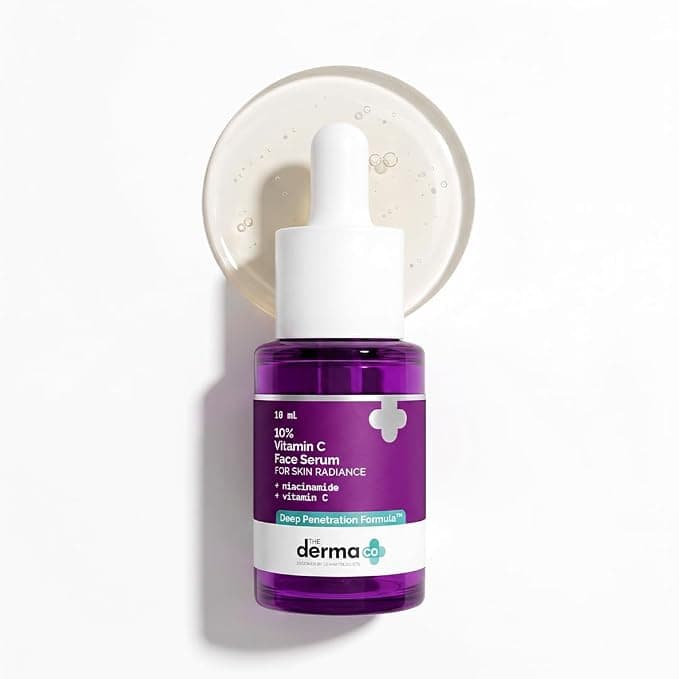

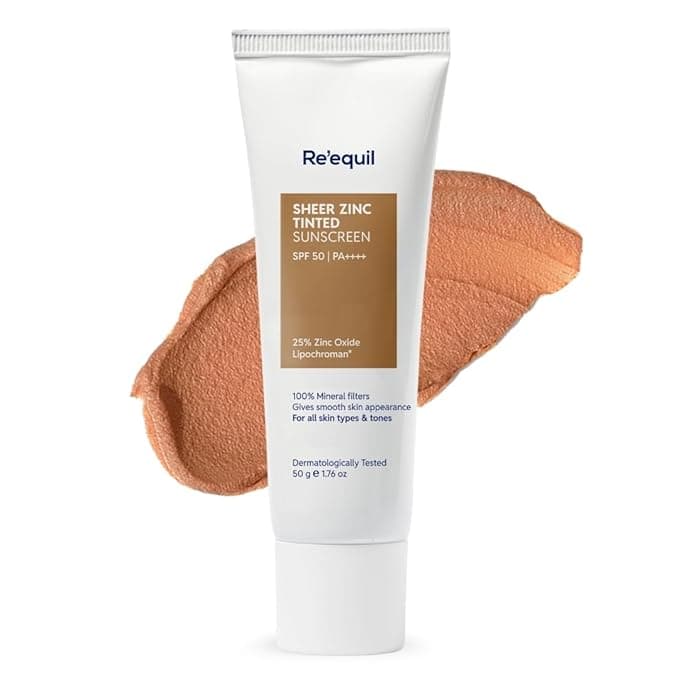
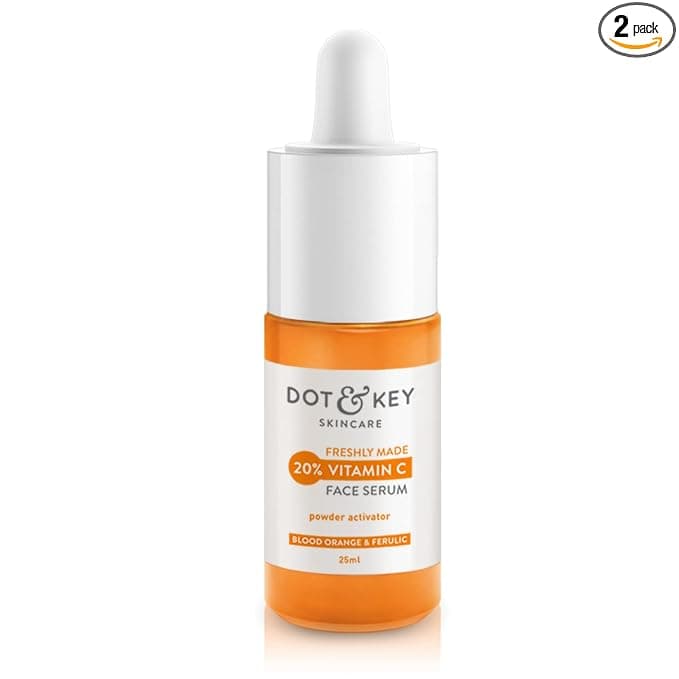
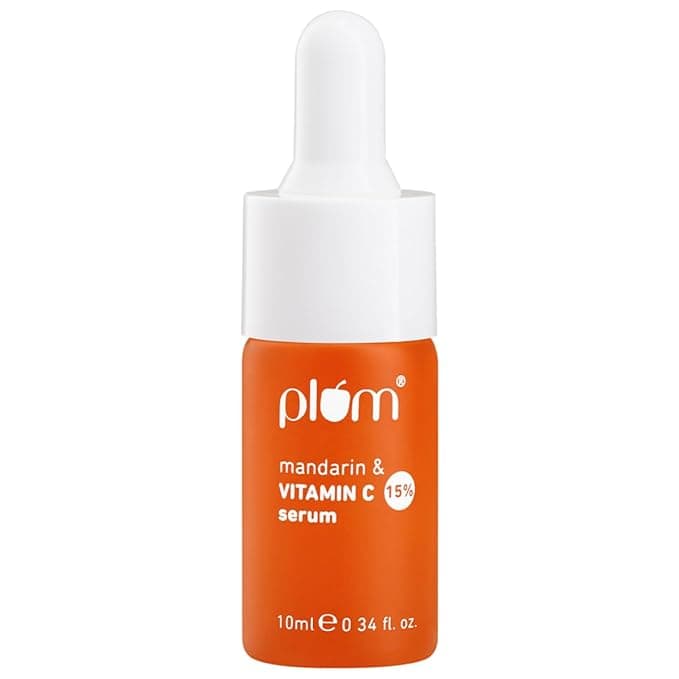
As an Amazon Associate, we earn from qualifying purchases. Links may earn a small commission at no extra cost to you.
Step-by-Step: Your Daily Routine
- 1Morning: Cleanse with a gentle gel or foaming cleanser, avoiding harsh sulphates.
- 2Apply a niacinamide serum across the entire face.
- 3Use a lightweight gel moisturiser on the T-zone and a slightly richer layer on the cheeks.
- 4Apply a mattifying or tinted SPF that won't clog pores in the T-zone.
- 5Midday: Blot excess oil from the T-zone with blotting papers rather than washing your face again.
- 6Evening: Double cleanse to remove SPF, sebum, and pollution buildup.
- 7Apply a targeted treatment (salicylic acid or niacinamide) to the T-zone only if breakout-prone.
- 8Finish with a hydrating moisturiser focused on the cheeks and a lighter layer on the T-zone.
Common Mistakes to Avoid
- Using the same heavy moisturiser on the entire face regardless of zone
- Over-washing the T-zone throughout the day, which strips and triggers more oil
- Skipping moisturiser entirely on oily areas
- Using matte-finish SPF only on part of the face, leaving cheeks under-protected
- Picking products based on 'oily skin' or 'dry skin' labels instead of combination-specific ones
Expert Tips
Blot, don't strip
Keep blotting papers in your bag for midday T-zone shine instead of reaching for a cleanser or wipes.
Combination skin does best with a philosophy of balance, not battle — you're not fighting your oil production, you're managing it while still caring for the drier areas nearby.
Final Verdict
Treating combination skin well means giving up the search for one perfect product and instead building a routine flexible enough to serve both zones of your face. Niacinamide, gel textures, and smart multi-masking make this far easier than it sounds.
Conclusion
With a zone-specific approach, you can finally stop choosing between a shiny T-zone and dry cheeks. Explore more of our skin-type specific guides, or subscribe to our newsletter for routines tailored to India's climate.
Frequently Asked Questions
Sources
Related Products
As an Amazon Associate, we earn from qualifying purchases. Links may earn a small commission at no extra cost to you.
You Might Also Like
 Skincare
Korean Skincare vs Indian Skincare: Which One Should You Follow?
Korean skincare routines and Indian skincare traditions solve different problems. Here's how they compare — and how to build a routine that borrows the best of both.
SkincareSkincare Routine Mistakes to Avoid
From over-exfoliating to skipping sunscreen, these are the most common skincare mistakes dermatologists see — and exactly how to fix each one for Indian skin.
SkincareMonsoon Skincare Routine: Beating Humidity, Fungal Acne & Breakouts
A practical monsoon skincare routine for Indian humidity — how to control excess oil, prevent fungal acne and breakouts, and keep skin balanced through the rainy season.
Related Articles
Stay in the glow
Weekly routines and honest reviews, straight to your inbox.