Skincare Routine for Redness: A Complete Step-by-Step Guide
Persistent flushing, blotchy patches, or skin that reacts to everything? Here's a calming, barrier-first routine designed to reduce redness and reactivity.
Jump to a section
Key Takeaways
- Persistent redness is often a sign of a compromised skin barrier, not just sensitive skin.
- Centella asiatica (cica) and ceramides are two of the most effective ingredients for calming and repairing reactive skin.
- Fragrance, harsh exfoliants, and hot water are common hidden triggers worth eliminating first.
- Simplifying your routine is often more effective than adding new 'calming' products.
- Persistent or worsening redness should be evaluated by a dermatologist to rule out underlying conditions like rosacea.
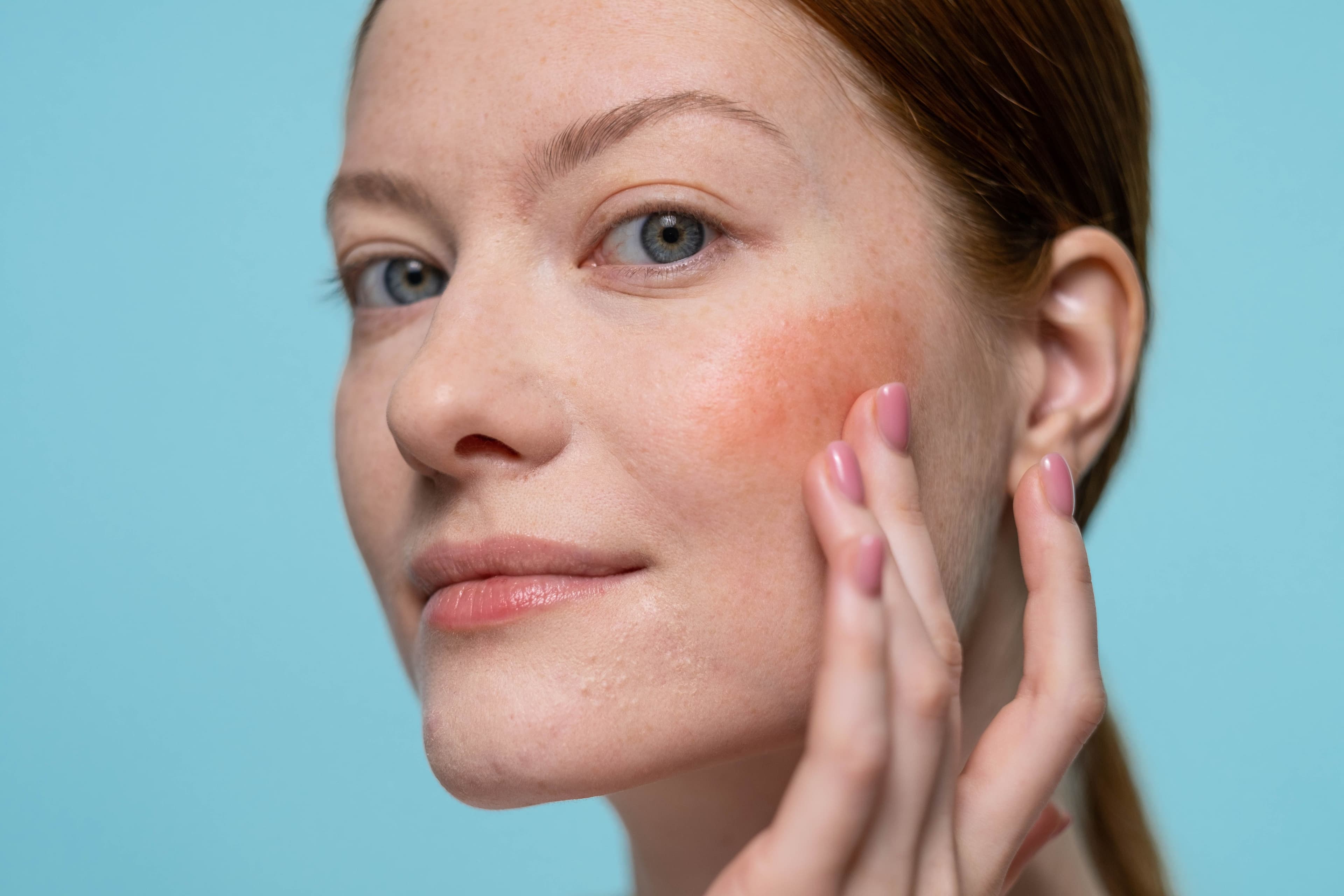
Redness can show up in many forms — a general flush across the cheeks, blotchy patches that come and go, or skin that stings and reacts the moment you introduce a new product. Regardless of the exact presentation, redness is almost always a sign that your skin barrier is under stress and your skin's inflammatory response is on high alert.
The instinct when skin looks red and irritated is often to treat it aggressively — but that usually backfires. Redness-prone skin needs the opposite: a stripped-back, barrier-first routine that calms inflammation and gives your skin the chance to repair itself. This guide walks you through exactly that.
Quick Answer: The Redness-Calming Routine
- AM: Fragrance-free gentle cleanser → Centella/cica serum → Ceramide moisturiser → Mineral SPF
- PM: Micellar water or gentle cleanser only (no double cleansing with harsh products) → Barrier repair moisturiser
- Avoid: Hot water, physical scrubs, high-strength acids, and fragranced products until redness settles
- Identify and eliminate personal triggers (weather, certain foods, specific ingredients) through a simple elimination approach
Who Should Read This Guide
- Anyone with general facial redness or flushing without a diagnosed condition
- People whose skin reacts easily to new products with stinging or blotchiness
- Those experiencing redness after sun exposure, weather changes, or spicy food
- Anyone looking to repair a compromised skin barrier before adding active ingredients back in
Understanding Why Your Skin Looks and Feels Red
Redness typically results from increased blood flow near the skin's surface combined with inflammation. This can be triggered by a weakened barrier that lets irritants penetrate more easily, by an over-aggressive skincare routine (think: exfoliating too often or using too many actives at once), or by environmental factors like sun, heat, or pollution. In some cases, persistent redness is a symptom of an underlying condition such as rosacea, eczema, or contact dermatitis, which is why it's worth ruling that out if redness doesn't improve with gentler care.
When to see a dermatologist
If redness is persistent, comes with visible bumps or broken capillaries, or worsens despite a gentle routine, please consult a dermatologist. This guide supports general reactive skin, but it isn't a substitute for diagnosis of conditions like rosacea.
| Ingredient | Benefit | Notes |
|---|---|---|
| Centella Asiatica (Cica) | Reduces inflammation, supports healing | Well-tolerated by nearly all skin types |
| Ceramides | Repairs and strengthens skin barrier | Best in moisturisers used both AM and PM |
| Niacinamide | Reduces inflammation, strengthens barrier | Use low concentration (under 5%) if very reactive |
| Panthenol (Pro-Vitamin B5) | Soothes and hydrates | Common in barrier-repair formulas |
| Fragrance/Essential oils | Common irritant, avoid | Frequently the hidden cause of reactivity |
The Barrier-First Approach
When skin is red and reactive, the most important step is often subtraction, not addition. Strip your routine down to a gentle cleanser, a calming serum, a barrier-repairing moisturiser, and sunscreen. Resist the urge to add exfoliating acids, retinol, or vitamin C until the redness has meaningfully calmed down — introducing actives too early on inflamed skin usually makes things worse, not better.
Once your skin feels calm and looks less reactive for a few consecutive weeks, you can slowly reintroduce one active ingredient at a time, watching closely for any return of redness or stinging.
Patch test everything
Before applying any new product to your full face, patch test it on your inner arm or behind your ear for 48 hours first.
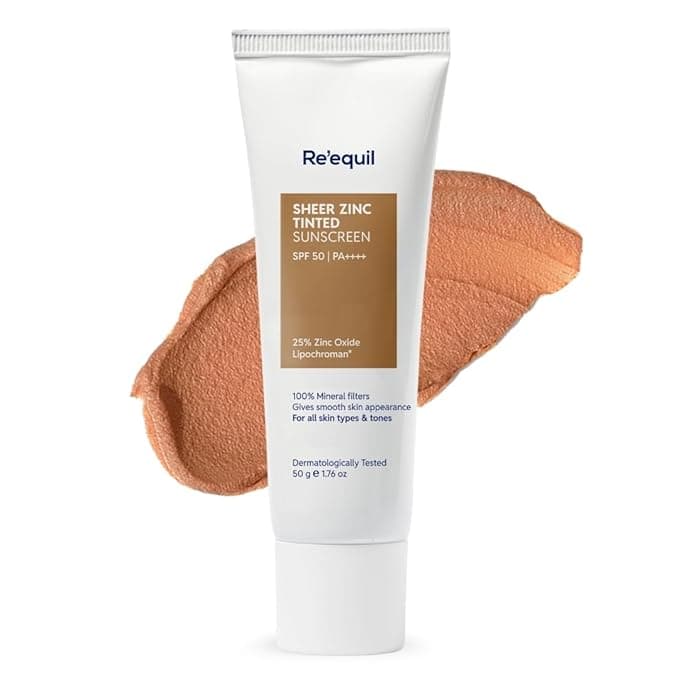
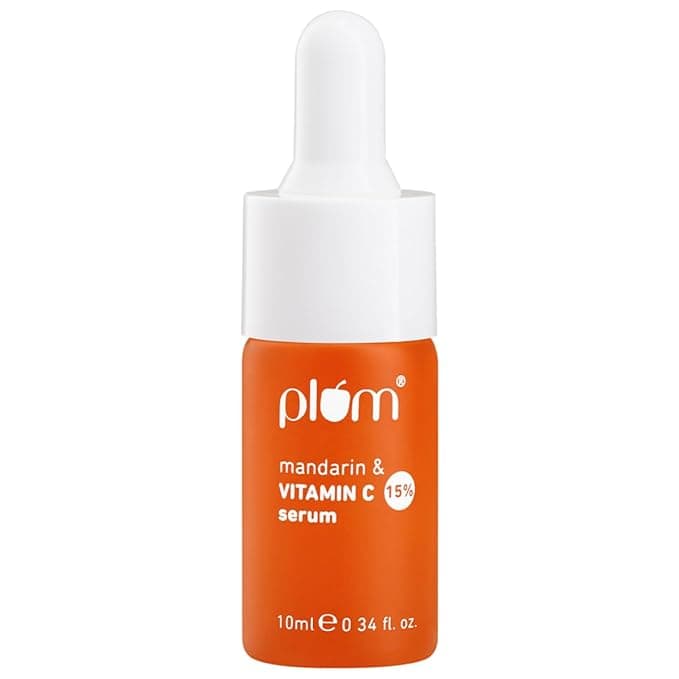
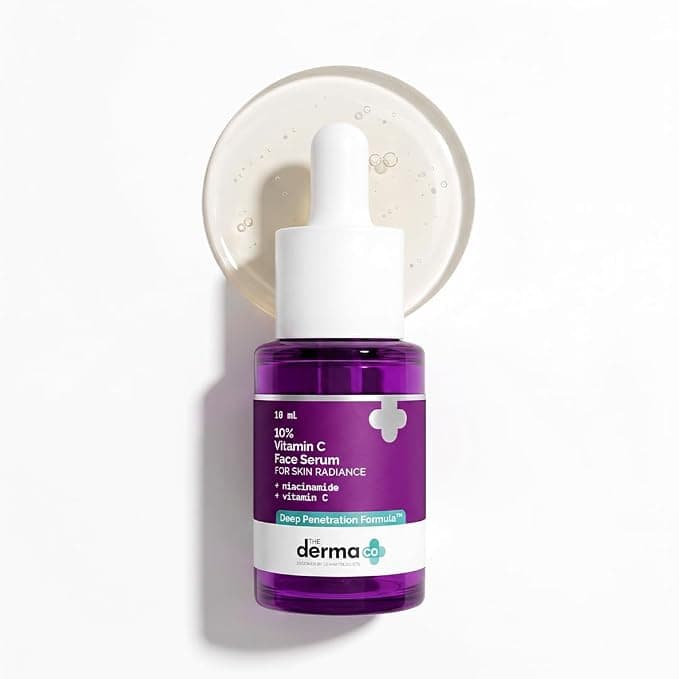
These gentle, fragrance-conscious products support a calming, barrier-first routine.


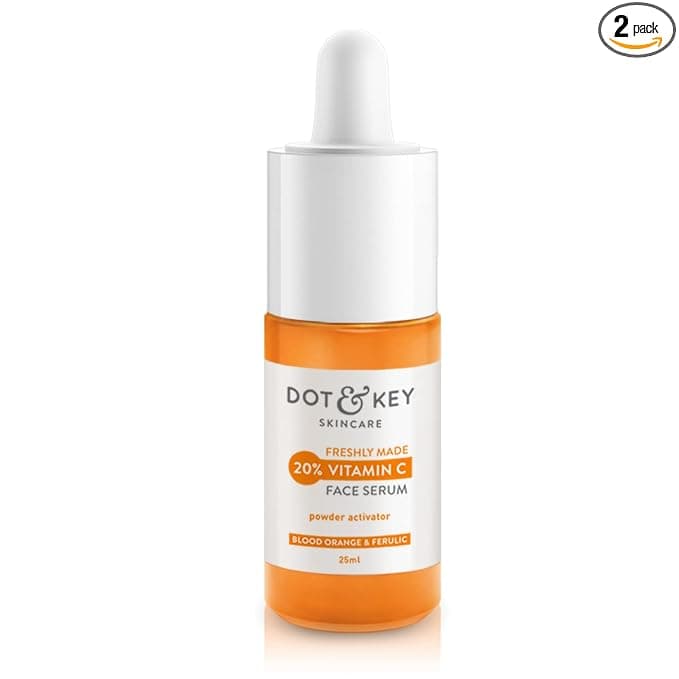
As an Amazon Associate, we earn from qualifying purchases. Links may earn a small commission at no extra cost to you.
Step-by-Step: Your Daily Routine
- 1Morning: Cleanse with lukewarm water and a fragrance-free, low-pH cleanser (or just water if very reactive).
- 2Apply a centella or panthenol-based calming serum.
- 3Follow with a ceramide-rich moisturiser to reinforce the barrier.
- 4Apply a mineral, fragrance-free SPF 50, which is generally better tolerated than chemical filters.
- 5Evening: Cleanse gently once, avoiding harsh double-cleansing with foaming products.
- 6Apply the same calming serum used in the morning.
- 7Seal in hydration with a barrier-repair moisturiser or balm.
- 8Avoid introducing new active ingredients on nights when skin feels inflamed or tight.
Common Mistakes to Avoid
- Using hot water to cleanse, which worsens flushing and dilates blood vessels
- Layering multiple new active ingredients at once when skin is already reactive
- Over-exfoliating in an attempt to 'fix' redness faster
- Using fragranced products, including 'natural' essential oil-based ones
- Ignoring persistent redness instead of consulting a dermatologist
Expert Tips
Track your triggers
Keep a simple log of flare-ups alongside diet, weather, and product changes for two to three weeks — patterns often emerge that point to a specific, avoidable trigger.
When skin is red and reactive, less is almost always more. Strip the routine down, repair the barrier, and only then think about adding actives back in.
Final Verdict
Redness-prone skin responds best to patience and simplicity. A calm, barrier-repairing routine, free of fragrance and harsh actives, gives your skin the best chance to settle — and if redness persists, a dermatologist visit is a worthwhile next step, not a last resort.
Conclusion
Calming persistent redness takes consistency, gentleness, and sometimes professional guidance — but it is absolutely achievable. Explore our other sensitive-skin guides, or subscribe to our newsletter for more barrier-friendly skincare advice.
Frequently Asked Questions
Sources
Related Products
As an Amazon Associate, we earn from qualifying purchases. Links may earn a small commission at no extra cost to you.
You Might Also Like
 Skincare
Skincare Routine for Dehydrated Skin: A Complete Step-by-Step Guide
Tight, dull, and lacking bounce — regardless of your skin type, dehydration is fixable with the right layering of water-binding ingredients.
 Skincare
Complete Skincare Routine for Beginners in India (Step-by-Step Guide)
New to skincare? Here's a simple, budget-friendly routine built specifically for Indian skin, weather, and lifestyle — no 10-step regimen required.
Skincare5-Minute Skincare Routine: A Fast, Effective Guide
No time doesn't mean no routine — here's a genuinely effective skincare routine that takes five minutes or less, morning or night.
Related Articles

Stay in the glow
Weekly routines and honest reviews, straight to your inbox.