Skincare Routine for Rosacea-Friendly Skin: A Complete Step-by-Step Guide
Living with rosacea means finding a gentle, supportive routine that won't trigger flare-ups — while working alongside proper medical treatment. Here's how.
Jump to a section
Key Takeaways
- Rosacea is a chronic medical condition that requires a dermatologist's diagnosis — skincare alone cannot treat it.
- A gentle, minimal, fragrance-free routine is essential to avoid triggering flare-ups.
- Daily mineral sunscreen is one of the single most important steps for anyone with rosacea, as sun is a top trigger.
- Common triggers include spicy food, alcohol, extreme temperatures, harsh actives, and certain skincare ingredients.
- This routine is designed as supportive care alongside, not a replacement for, prescribed rosacea treatment.
Rosacea is a chronic inflammatory skin condition that affects far more people than commonly realised, causing persistent facial redness, visible blood vessels, and sometimes bumps or a burning, stinging sensation. If you suspect you have rosacea, the single most important step is seeing a board-certified dermatologist for a proper diagnosis, as effective treatment usually involves prescription options that skincare alone cannot replicate.
That said, the right at-home skincare routine plays a genuinely important supporting role — it can reduce day-to-day irritation, avoid triggering flare-ups, and protect skin that is already more vulnerable. This guide is written as a companion to medical care, not a substitute for it, and focuses on gentle, evidence-informed, rosacea-friendly practices.
Quick Answer: The Rosacea-Friendly Routine
- AM: Fragrance-free gentle cleanser (or water rinse only) → Soothing, minimal serum → Ceramide moisturiser → Mineral SPF 50
- PM: Gentle cleanse → Same soothing moisturiser, applied generously
- Avoid: Physical scrubs, alcohol-based toners, menthol/eucalyptus, high-strength acids and retinoids unless specifically prescribed
- Essential: See a dermatologist for diagnosis and discuss prescription options like topical metronidazole, azelaic acid, or oral treatments
Who Should Read This Guide
- Anyone diagnosed with rosacea looking for a gentle, supportive skincare routine
- People who suspect they may have rosacea and haven't yet seen a dermatologist
- Those managing rosacea alongside prescription treatment who want compatible skincare
- Anyone with very reactive skin wanting to understand rosacea-safe practices
What Rosacea Is, and Why Skincare Alone Isn't Enough
Rosacea is a chronic condition involving abnormal blood vessel behaviour and immune response in facial skin, and it tends to flare and remit over time rather than resolve permanently. There are multiple subtypes, ranging from persistent redness and flushing to bumps resembling acne, or in some cases eye irritation. Because the underlying mechanisms involve vascular and immune factors, over-the-counter skincare can support and calm the skin but cannot address the root cause the way prescription treatments like topical metronidazole, azelaic acid, ivermectin, or oral antibiotics can.
Please see a dermatologist first
If you suspect rosacea, please consult a board-certified dermatologist for an accurate diagnosis before starting any routine. This guide is supportive care to use alongside professional treatment, not a replacement for it.
| Trigger category | Examples | Why it matters |
|---|---|---|
| Diet | Spicy food, alcohol, hot beverages | Can dilate blood vessels and trigger flushing |
| Environment | Sun exposure, extreme heat or cold, wind | Sun is one of the most significant known triggers |
| Skincare ingredients | Alcohol-based toners, menthol, fragrance, harsh acids | Can irritate already-compromised skin barrier |
| Lifestyle | Stress, intense exercise, hot showers | Raises body temperature and blood flow to the face |
Building a Gentle, Supportive Routine
The guiding principle for rosacea-friendly skincare is minimalism. Fewer products, fewer ingredients, and fragrance-free formulations reduce the chances of triggering a flare. Look for calming ingredients such as centella asiatica, colloidal oatmeal, and ceramides, and avoid anything with alcohol, menthol, eucalyptus, or synthetic fragrance, all of which are common flare triggers for rosacea-prone skin.
Sun protection deserves special emphasis here: UV exposure is one of the most well-documented rosacea triggers, making a daily, gentle, mineral sunscreen an essential, non-negotiable part of any rosacea-friendly routine, not just a nice-to-have.
Mineral over chemical sunscreen
Zinc oxide and titanium dioxide-based mineral sunscreens tend to be far better tolerated by rosacea-prone skin than chemical UV filters, which can sometimes cause stinging or flushing.
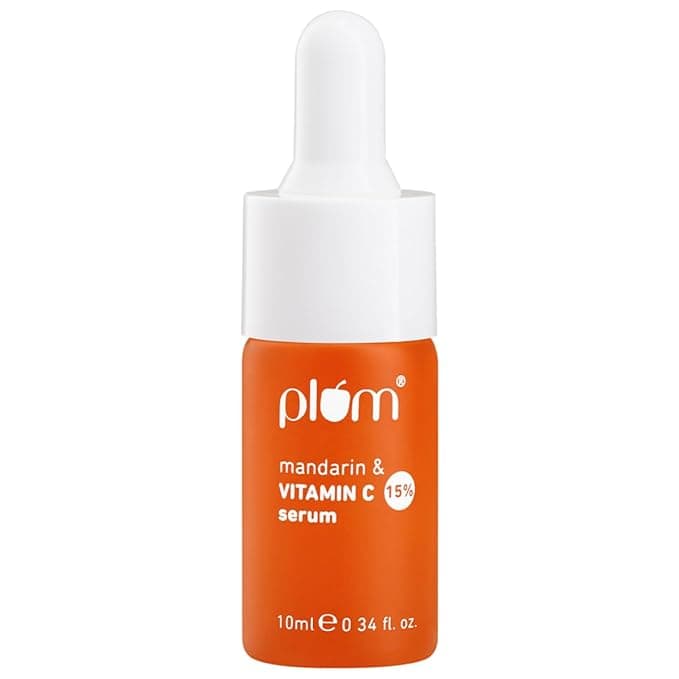
These gentle, fragrance-conscious formulas are well suited as supportive care for rosacea-prone skin.
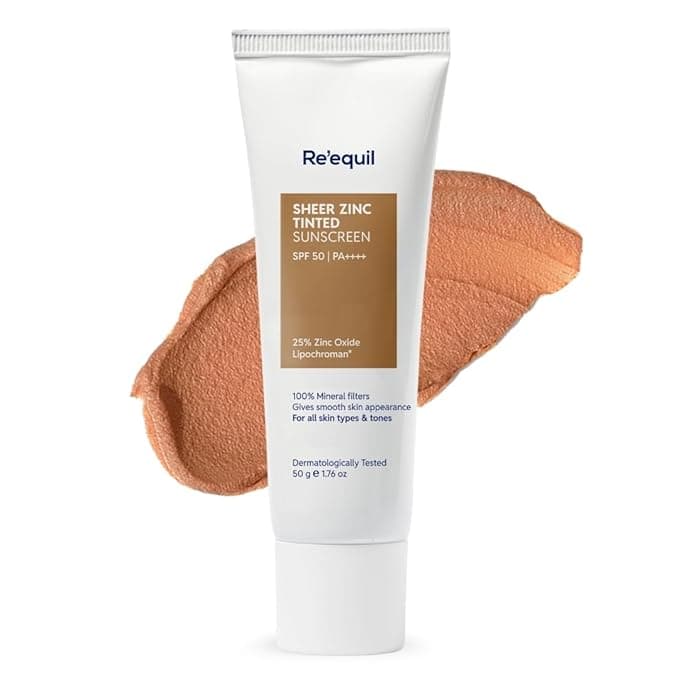


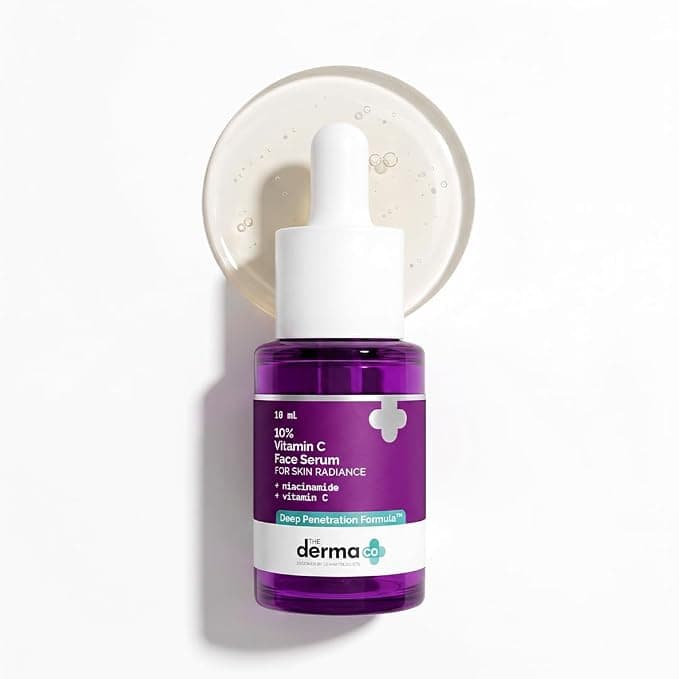
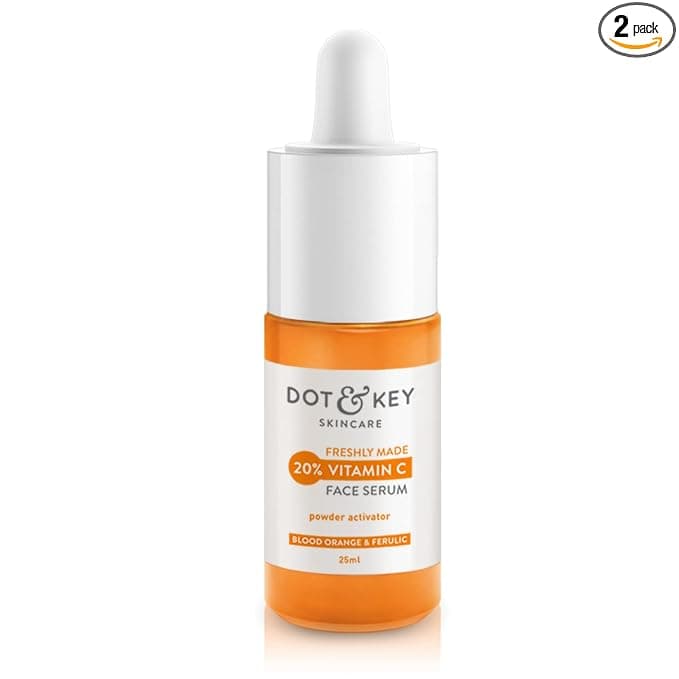
As an Amazon Associate, we earn from qualifying purchases. Links may earn a small commission at no extra cost to you.
Step-by-Step: Your Daily Routine
- 1Morning: Rinse with cool to lukewarm water, using a gentle fragrance-free cleanser only if needed.
- 2Apply a soothing serum containing centella asiatica or colloidal oatmeal, patted in gently rather than rubbed.
- 3Follow with a fragrance-free, ceramide-rich moisturiser to support the barrier.
- 4Apply a mineral SPF 50 generously, reapplying if you're outdoors for extended periods.
- 5Midday: Avoid touching or rubbing your face; use a cool mist or plain water spritz if you feel a flare starting.
- 6Evening: Cleanse gently with the same fragrance-free cleanser, using lukewarm (never hot) water.
- 7Apply your dermatologist-prescribed treatment, if any, exactly as directed.
- 8Follow with the same soothing moisturiser used in the morning, applied generously.
Common Mistakes to Avoid
- Self-treating with strong actives like retinol or acids without dermatologist guidance
- Using hot water or steam facials, which can trigger flushing
- Skipping sunscreen, one of the most significant known rosacea triggers
- Trying too many new products at once, making it hard to identify a trigger if a flare occurs
- Delaying a dermatologist visit while relying solely on skincare products
Expert Tips
Keep a flare diary
Note down food, weather, stress levels, and products used whenever a flare occurs. This is genuinely useful information to bring to your dermatologist appointment.
Rosacea management works best as a partnership between prescribed medical treatment and a calm, consistent, gentle skincare routine at home — neither one alone tends to be enough.
Final Verdict
Rosacea is a manageable chronic condition, not a permanent sentence of redness and discomfort, but managing it well requires both proper medical diagnosis and a genuinely gentle, consistent skincare routine at home. Neither substitutes for the other.
Conclusion
If you haven't already, please book a dermatologist consultation to get a proper diagnosis and discuss prescription options alongside the gentle routine outlined here. Explore our other sensitive-skin guides, or subscribe to our newsletter for more medically-informed skincare advice.
Frequently Asked Questions
Sources
Related Products
As an Amazon Associate, we earn from qualifying purchases. Links may earn a small commission at no extra cost to you.
You Might Also Like
 Skincare
Complete Skincare Routine for Beginners in India (Step-by-Step Guide)
New to skincare? Here's a simple, budget-friendly routine built specifically for Indian skin, weather, and lifestyle — no 10-step regimen required.
Skincare5-Minute Skincare Routine: A Fast, Effective Guide
No time doesn't mean no routine — here's a genuinely effective skincare routine that takes five minutes or less, morning or night.
 Skincare
Skincare Routine for Travelers: Staying Glowy Through Time Zones & Climate Shifts
A travel-friendly skincare routine for handling flight dehydration, sudden climate changes, and packing constraints — without your skin paying the price for your itinerary.
Related Articles
Stay in the glow
Weekly routines and honest reviews, straight to your inbox.