Skincare Routine for Sensitive Skin: A Complete Step-by-Step Guide
Redness, stinging, and reactions to seemingly gentle products — here's a minimal, fragrance-free routine built to calm sensitive skin, not challenge it.

Jump to a section
Key Takeaways
- Sensitive skin does best with fragrance-free, minimal-ingredient formulas — more ingredients means more chances to react.
- Always patch test new products on your inner arm or jawline for 24-48 hours before applying to your full face.
- Mineral sunscreens (zinc oxide, titanium dioxide) are generally better tolerated by sensitive and reactive skin than chemical filters.
- Introduce one new product at a time, spaced 1-2 weeks apart, so you can identify what's causing a reaction.
- Ceramides and centella asiatica are among the most reliably calming ingredients for sensitive, reactive skin.
Sensitive skin can react to products that seem perfectly gentle on paper — a new cleanser, a 'natural' fragrance, even a sunscreen marketed for sensitive skin. If your skin flushes, stings, or breaks out in response to products that don't bother most people, the goal of your routine isn't to fix your skin — it's to stop challenging it unnecessarily.
This guide focuses on a minimal, low-risk routine built around ingredients with a strong track record of being well-tolerated, plus a system for introducing anything new without guessing.
Quick Answer: The Sensitive Skin Routine
- AM: Gentle, fragrance-free cream cleanser, ceramide moisturizer, mineral SPF 30+
- PM: Same cleanser, ceramide or centella-based moisturizer
- New products: Introduce one at a time, patch test first, wait 1-2 weeks before adding another
- Avoid: Fragrance (natural or synthetic), high-strength acids, and layering multiple actives at once
Who Should Read This Guide
- Anyone whose skin frequently turns red, stings, or itches after trying new products
- Readers with diagnosed conditions like rosacea or eczema looking for a low-risk baseline routine
- People who've reacted to products labeled 'gentle' or 'for sensitive skin' before
Why Sensitive Skin Reacts
Sensitive skin typically has a weaker or more reactive skin barrier, which lets irritants penetrate more easily and triggers inflammation in response to things that wouldn't bother more resilient skin — fragrance, certain preservatives, high concentrations of active ingredients, or even friction from harsh scrubbing. The strategy that works isn't finding a magic product; it's reducing the total number of variables your skin has to deal with at once.
'Natural' Doesn't Mean Gentle
Essential oils and plant extracts marketed as natural or fragrance-free alternatives are among the most common triggers for sensitive skin reactions. Fragrance-free means no added scent — check ingredient lists for essential oils separately.
Step 1: A Cleanser That Doesn't Fight Your Skin
A fragrance-free, low-foaming cream cleanser removes buildup without disrupting the skin barrier. Avoid cleansers with sulfates, strong fragrance, or high concentrations of alcohol, and skip hot water in favor of lukewarm, which is less likely to trigger redness.
Step 2: Choose Calming, Barrier-Repairing Ingredients
Ceramides rebuild the skin barrier directly, reducing the sensitivity that comes from a compromised barrier over time. Centella asiatica (often listed as Centella Asiatica Extract or 'cica') has a strong track record for calming visible redness and irritation, making it a reliable ingredient to look for in sensitive-skin formulas.
| Seek Out | Use With Caution | Generally Avoid |
|---|---|---|
| Ceramides | Vitamin C (patch test first) | Added fragrance, natural or synthetic |
| Centella asiatica (cica) | Low-strength retinol (start 1-2x/week) | High-strength acids (glycolic, salicylic) |
| Mineral SPF filters | Niacinamide (some report tingling) | Physical scrubs, harsh exfoliating tools |
Step 3: Sunscreen — Mineral Over Chemical
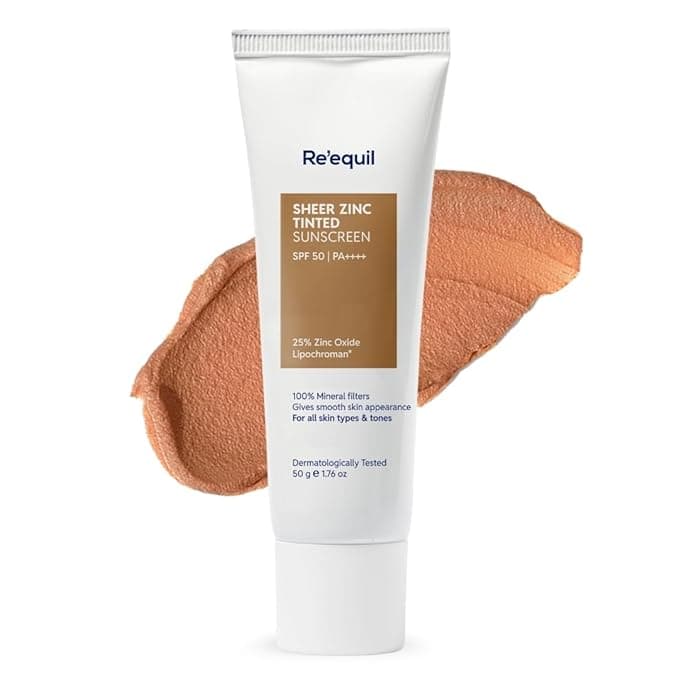
Mineral sunscreens using zinc oxide or titanium dioxide sit on top of the skin and reflect UV rays, rather than being absorbed like chemical filters — this generally makes them better tolerated by reactive, sensitive, or rosacea-prone skin. If you've reacted to sunscreen before, a fragrance-free mineral formula is the safest place to restart.
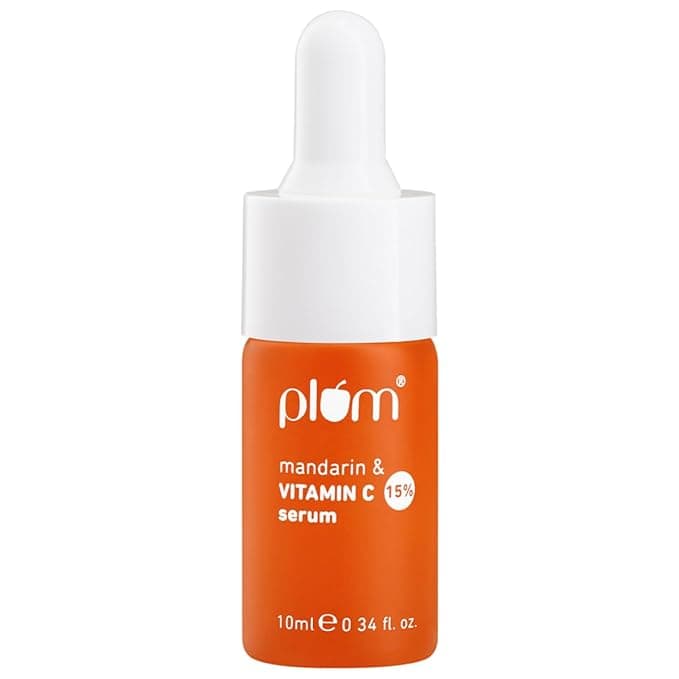
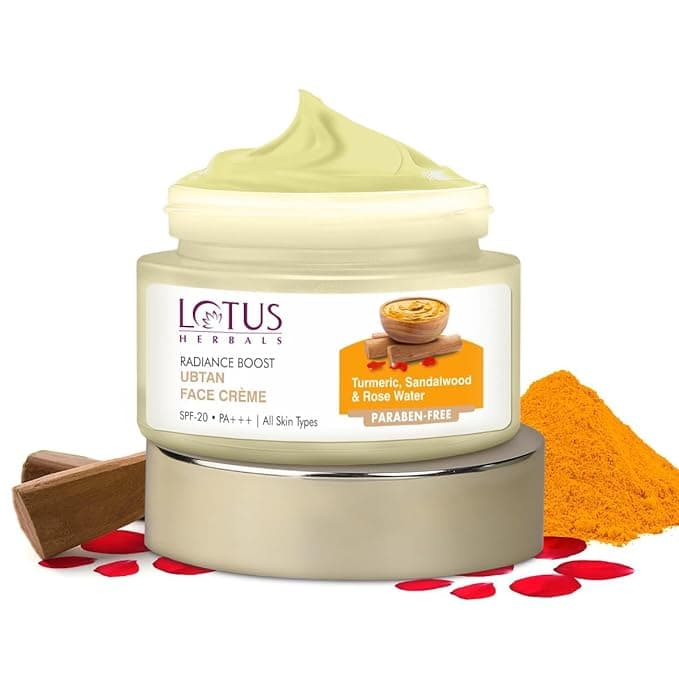
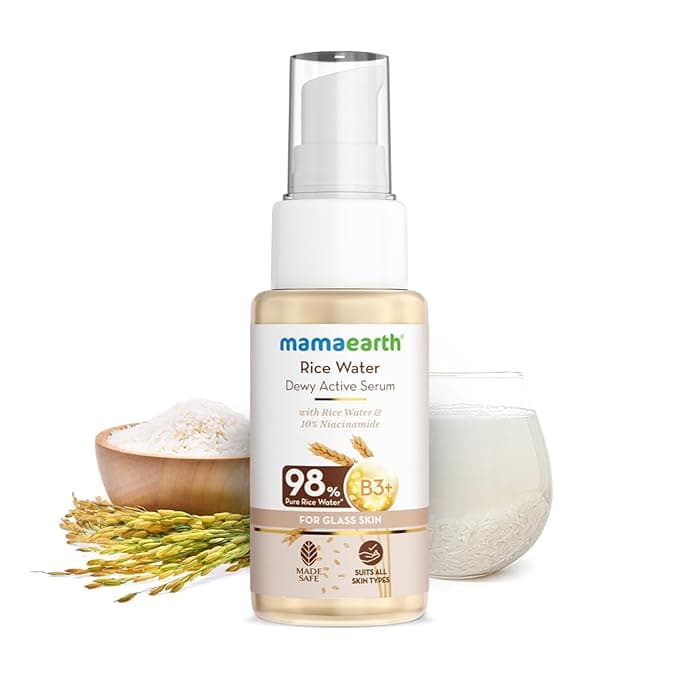
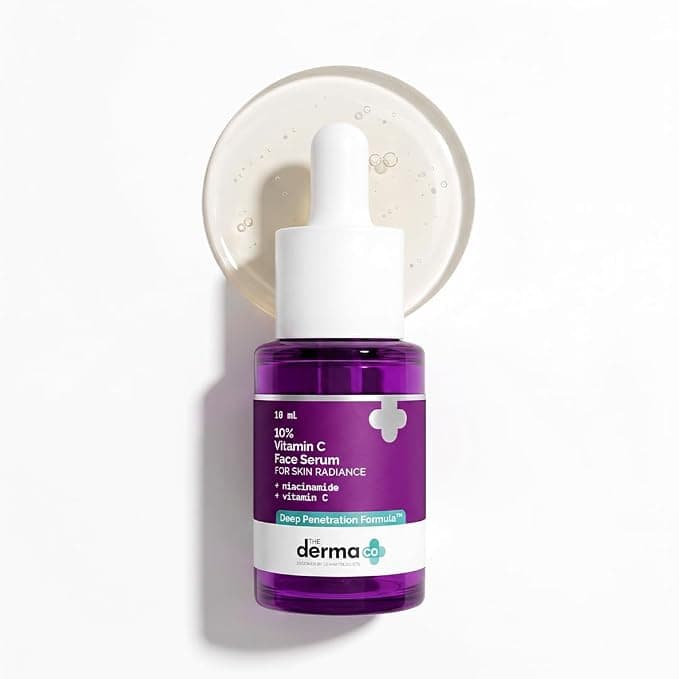
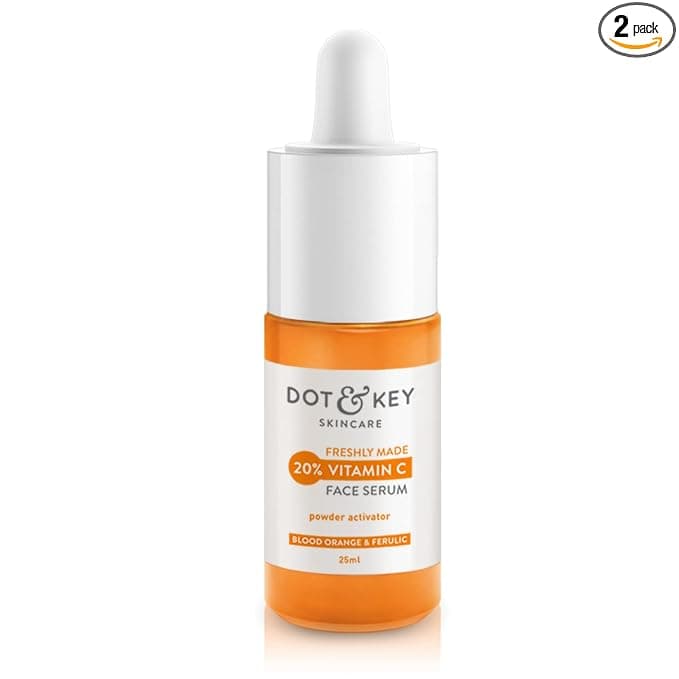
A low-risk routine built around calming, well-tolerated ingredients.
As an Amazon Associate, we earn from qualifying purchases. Links may earn a small commission at no extra cost to you.
Step-by-Step: Introducing New Products Safely
- 1Patch test any new product on your inner arm or jawline for 24-48 hours before your full face.
- 2If there's no reaction, apply it to your full face every other day for one week.
- 3Watch for delayed reactions — redness, stinging, or breakouts can appear up to 72 hours after first use.
- 4If tolerated, move to daily use, but don't introduce a second new product for another 1-2 weeks.
- 5If irritation occurs at any point, stop the product immediately and return to your baseline routine until skin calms down.
Common Mistakes With Sensitive Skin
- Trying several new products at once, making it impossible to identify the trigger if a reaction occurs.
- Assuming 'natural' or 'for sensitive skin' labeling guarantees a product won't irritate your skin.
- Skipping the patch test because a product 'seems gentle.'
- Layering multiple active ingredients (retinol, vitamin C, exfoliating acids) in the same routine before your skin has adjusted to any of them.
- Using hot water or rough physical scrubs, which mechanically irritate an already reactive barrier.
Expert Tips
Keep One 'Safe' Product on Hand
Identify one fragrance-free moisturizer your skin has never reacted to, and keep it as your fallback whenever you're testing something new or your skin flares up unexpectedly.
With sensitive skin, restraint is the treatment. The goal isn't finding more products that work — it's removing enough variables that your skin barrier finally gets a chance to calm down.
Final Verdict
A minimal, fragrance-free routine — cleanser, barrier-repairing moisturizer, mineral sunscreen — is the safest baseline for sensitive skin. Add anything beyond that one product at a time, always patch-tested, and always with patience.
Conclusion
Sensitive skin rewards restraint far more than it rewards trying every new launch. Keep your routine minimal, fragrance-free, and introduced slowly, and lean on ingredients — ceramides, centella asiatica, mineral SPF — with a genuine track record of being well-tolerated. If this guide helped, explore more of our skincare routines and subscribe to the Glow by Kudozz newsletter for weekly, no-fluff beauty advice.
Frequently Asked Questions
Sources
Related Products
As an Amazon Associate, we earn from qualifying purchases. Links may earn a small commission at no extra cost to you.
You Might Also Like
 Skincare
Complete Skincare Routine for Beginners in India (Step-by-Step Guide)
New to skincare? Here's a simple, budget-friendly routine built specifically for Indian skin, weather, and lifestyle — no 10-step regimen required.
Skincare5-Minute Skincare Routine: A Fast, Effective Guide
No time doesn't mean no routine — here's a genuinely effective skincare routine that takes five minutes or less, morning or night.
 Skincare
Skincare Routine for Travelers: Staying Glowy Through Time Zones & Climate Shifts
A travel-friendly skincare routine for handling flight dehydration, sudden climate changes, and packing constraints — without your skin paying the price for your itinerary.
Related Articles

Stay in the glow
Weekly routines and honest reviews, straight to your inbox.