Autumn Skincare Routine: Repairing Summer Damage Before Winter Hits
An autumn skincare routine for Indian skin focused on repairing summer sun damage, restoring hydration, and preparing your barrier before winter dryness sets in.

Jump to a section
Key Takeaways
- Autumn is the best window to actively treat summer-accumulated pigmentation, dullness, and sun damage.
- Humidity begins dropping, so gradually reintroducing richer moisturizer prevents a hard shock into winter dryness.
- This is a strong season to introduce or increase retinoid use, since UV intensity is typically lower than peak summer.
- Gentle exfoliation and brightening actives help restore radiance that summer heat and oil often dull.
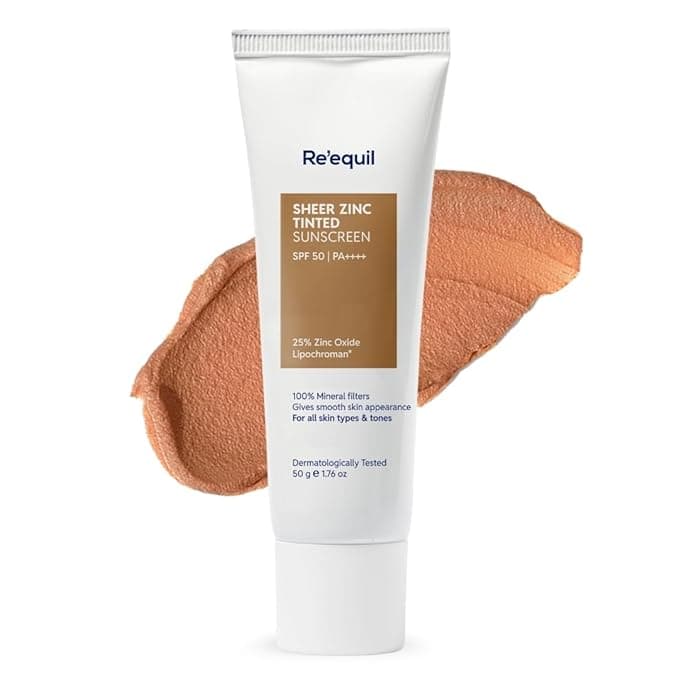
- Sunscreen remains essential — UV damage from summer often shows up as pigmentation weeks or months later in autumn.
By the time autumn arrives, skin has usually spent months absorbing summer sun, heat, and humidity — often with visible consequences like dullness, uneven tone, and early pigmentation. Autumn is the ideal repair window: cooler weather makes actives easier to tolerate, and treating damage now prevents it from compounding through winter.
Quick Answer: The Core Autumn Routine
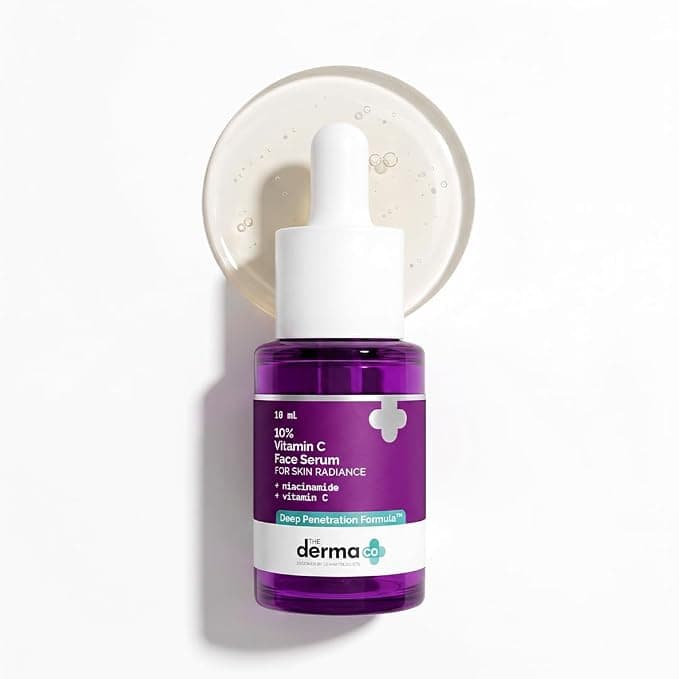
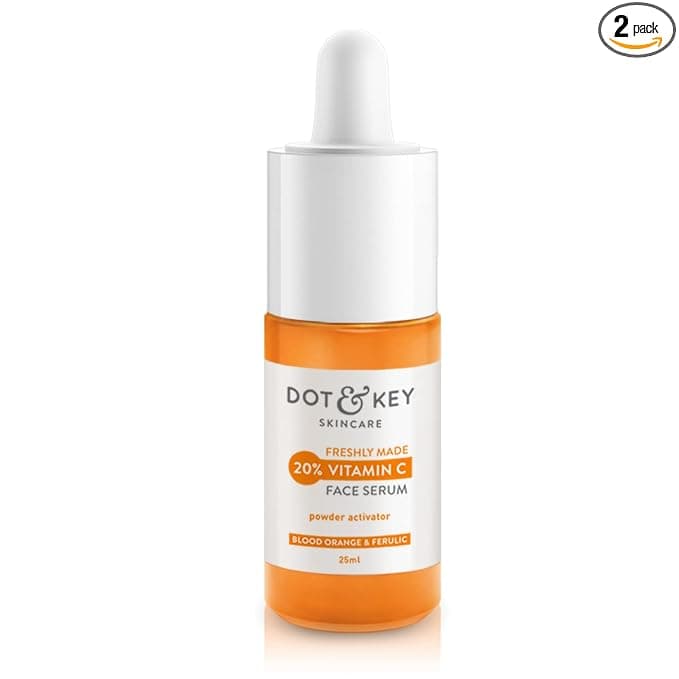
- Morning: Gentle cleanser → Vitamin C or niacinamide serum → Medium-weight moisturizer → SPF 30-50
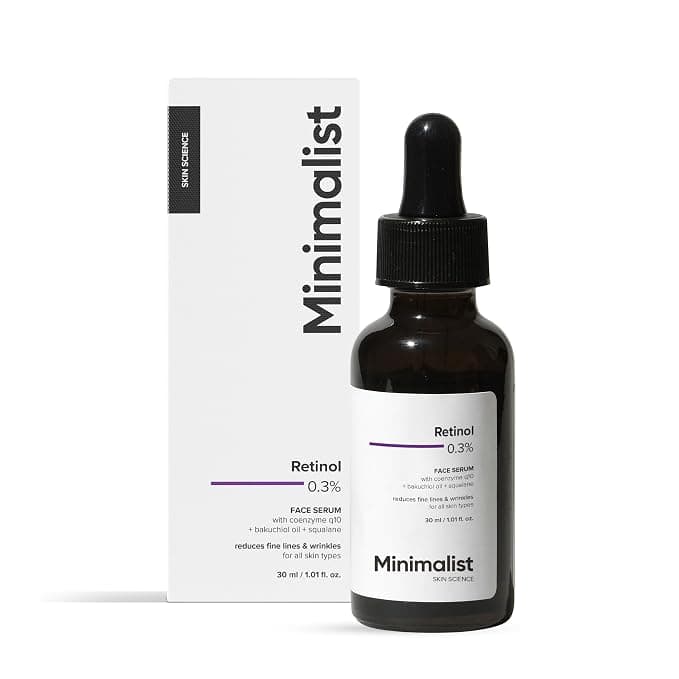
- Night: Cleanse → Retinoid or brightening active (gradually increasing frequency) → Hydrating moisturizer
- Weekly: Gentle exfoliation (1-2x) and a brightening or hydrating mask
- Ongoing: Begin gradually reintroducing richer textures as humidity drops toward winter
Why Autumn Is the Best Time for Retinoids
UV intensity is typically lower in autumn than peak summer, which makes it a lower-risk window to introduce or step up retinoid use, since retinoids can increase sun sensitivity. Always continue daily sunscreen alongside them.
Morning Routine, Step by Step
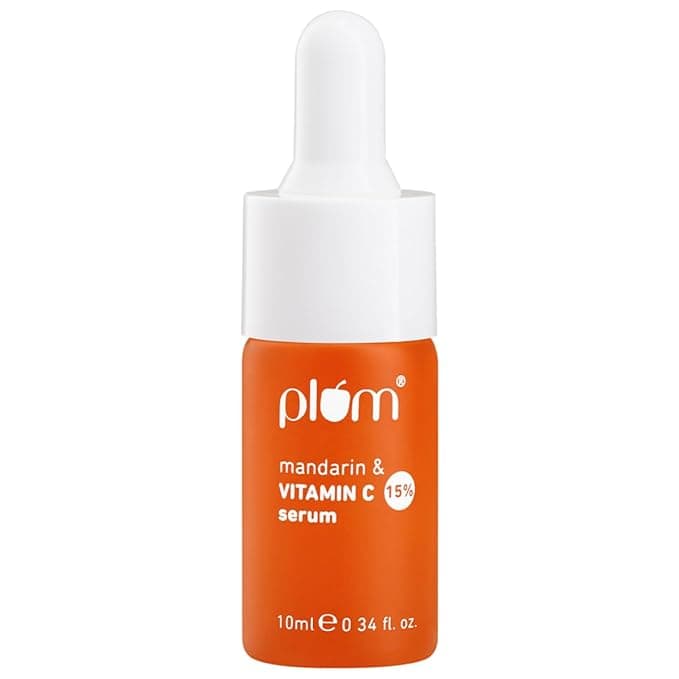
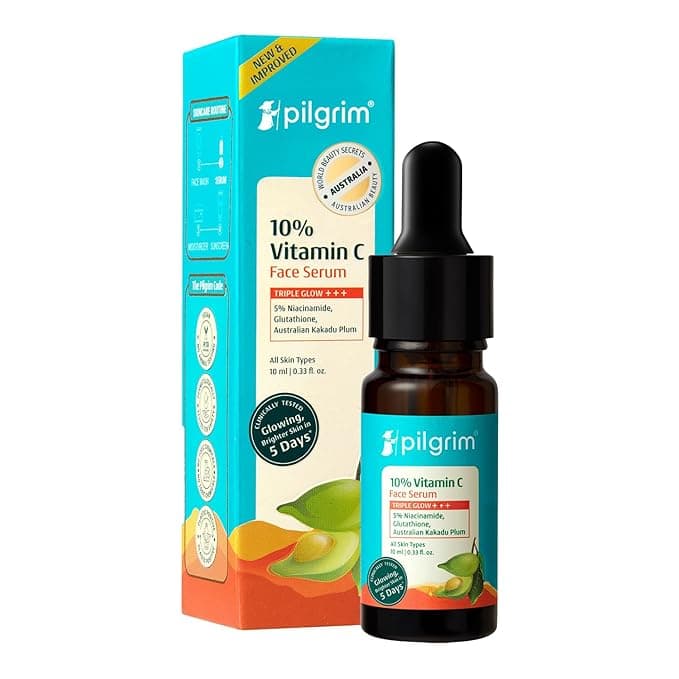
Continue with a gentle cleanser, then a vitamin C or niacinamide serum to target dullness and any early pigmentation from summer sun exposure. Move to a medium-weight moisturizer as humidity starts to drop — heavier than your summer gel, lighter than a full winter cream. Sunscreen remains a daily essential, since pigmentation from summer UV exposure can continue to surface for weeks or months afterward.
As an Amazon Associate, we earn from qualifying purchases. Links may earn a small commission at no extra cost to you.
Repairing Summer Damage
- Use a vitamin C serum consistently to fade post-summer pigmentation and support collagen
- Introduce or increase retinoid frequency gradually, starting at 2-3 nights per week
- Add a gentle exfoliating step to clear dull, sun-stressed surface cells and improve product absorption
- Continue daily sunscreen, since new pigmentation can still form and existing pigmentation can darken further without protection
Night Routine: Active Repair
Cleanse gently, then apply a retinoid or other brightening active such as azelaic acid, building up frequency gradually if you're new to it. Follow with a hydrating, slightly richer moisturizer than your summer formula to start rebuilding barrier resilience ahead of winter. If your skin is sensitive after summer, prioritize hydration and barrier support before introducing stronger actives.
Don't Rush the Richness
It's tempting to jump straight to your heaviest winter cream once temperatures drop, but a gradual increase in richness through autumn gives your barrier time to adjust, reducing the chance of clogged pores from an abrupt switch.
Weekly Extras
- Exfoliate gently 1-2x per week to help clear dull, sun-affected surface cells
- Use a brightening mask (vitamin C, niacinamide, or licorice root) once a week for pigmentation support
- Add a hydrating mask if skin starts feeling tighter as humidity drops
| Concern | Active Ingredient | Frequency |
|---|---|---|
| Pigmentation/dullness | Vitamin C | Daily, morning |
| Fine lines/texture | Retinoid | 2-3x/week, building up |
| Uneven tone | Niacinamide or azelaic acid | Daily or as tolerated |
| Ongoing protection | Broad-spectrum SPF | Daily, non-negotiable |
Pros
- Using autumn's lower UV intensity as a window to introduce or increase retinoid use
- Actively treating summer pigmentation with vitamin C or niacinamide
- Gradually increasing moisturizer richness ahead of winter
Cons
- Skipping sunscreen because summer is over
- Jumping straight to your heaviest winter cream too early
- Ignoring summer pigmentation, assuming it will fade on its own without treatment
Autumn tends to bring the best results for people starting retinoids — lower UV intensity makes the adjustment period much easier to manage.
Final Verdict
Autumn is a repair-and-prepare season: treat the pigmentation and dullness summer left behind, gradually reintroduce richer textures, and use the lower-UV window to build up retinoid tolerance before winter arrives. Handled well, autumn sets your skin up for a much easier winter.
Frequently Asked Questions
Sources
Related Products
As an Amazon Associate, we earn from qualifying purchases. Links may earn a small commission at no extra cost to you.
You Might Also Like
 Skincare
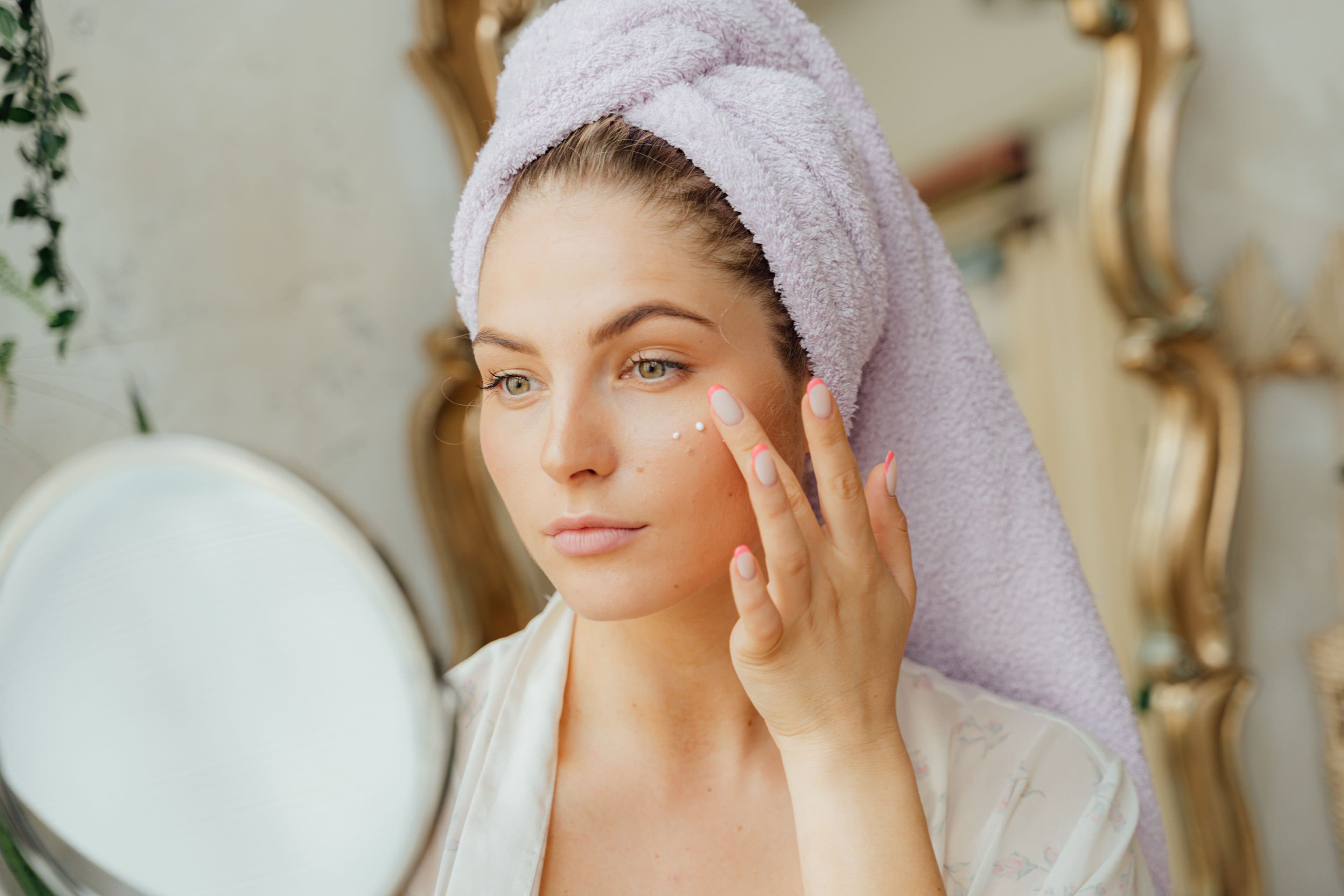
Bridal Skincare Routine: A Timeline for Wedding-Ready Glow
A dermatologist-informed bridal skincare timeline — what to start 3 months, 6 weeks, and 1 week before your wedding for a genuine, camera-ready glow.
 Skincare
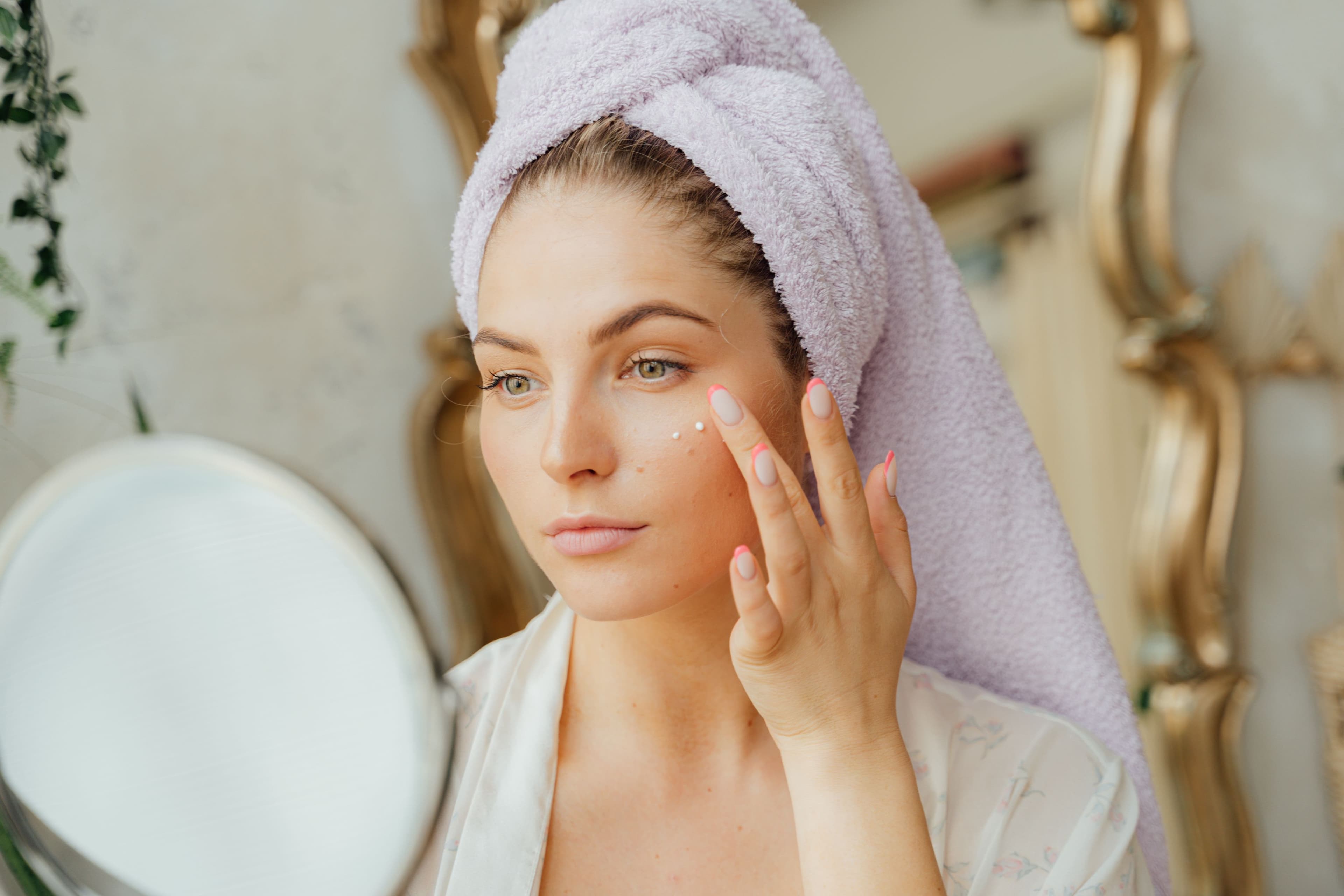
Best Vitamin C Serums for Indian Skin in 2026 (Research-Backed)
Our research-backed picks for the best vitamin C serums for Indian skin in 2026 — how to choose the right strength, avoid oxidation, and use it safely.
 Skincare
Anti-Aging Skincare Routine: A Complete Step-by-Step Guide
The definitive, research-backed guide to building a comprehensive anti-aging routine — retinoids, antioxidants, SPF, hydration, and the lifestyle habits that tie it all together.
Related Articles

Stay in the glow
Weekly routines and honest reviews, straight to your inbox.