The Correct Order of Haircare Products (And Why It Matters)
Layering haircare products in the wrong order can cancel out their benefits entirely. Here's the correct sequence, from wash-day cleansers to final styling touches.

Jump to a section
Key Takeaways
- Product order generally follows thinnest-to-thickest: cleanser, conditioner, water-based leave-in, treatment serums, oil, then styling cream or gel.
- Heat protectant always goes on before any hot tool, applied after other leave-in products but before styling cream if using both.
- Applying oil before a water-based product can block the water-based product from absorbing properly.
- Scalp treatments generally go on clean, product-free scalp — before styling products are added to lengths.
- The correct order can matter more than the specific products used, especially for curly and coily hair routines.
It's entirely possible to own the right products and still get disappointing results — because the order you apply them in matters almost as much as the products themselves. Layering haircare products out of sequence can block absorption, cancel out benefits, or simply weigh hair down for no reason.
Quick Answer: The Correct Order
- 1. Shampoo (cleanse scalp and roots)
- 2. Conditioner (mid-lengths to ends)
- 3. Scalp treatments, if used, applied to clean scalp before other products
- 4. Water-based leave-in or liquid product (on damp hair)
- 5. Treatment serums (lightweight, targeted)
- 6. Oil, if used, to seal in moisture
- 7. Styling cream or gel for hold and definition
- 8. Heat protectant before any hot tool
The General Rule: Thin to Thick
As a simple mental model, apply products from thinnest and most water-based to thickest and most oil-based. This keeps each layer able to absorb before the next, heavier layer is added on top.
Why Order Matters More Than People Think
Oil is occlusive — it creates a barrier that blocks water-based products from penetrating the hair shaft. Apply oil too early, before a water-based leave-in, and that leave-in will mostly sit on top of the hair rather than being absorbed, wasting much of its intended benefit. This is why the LOC (liquid-oil-cream) and LCO (liquid-cream-oil) methods, popular in curly and coily hair care, are so specific about sequencing.
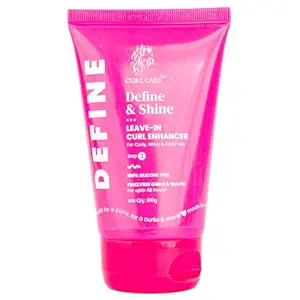

As an Amazon Associate, we earn from qualifying purchases. Links may earn a small commission at no extra cost to you.
Where Scalp Treatments Fit
- Scalp serums or treatments generally go on a clean scalp, right after shampooing (and before conditioner, if the treatment needs direct scalp contact)
- Avoid layering scalp treatments over styling products already applied to lengths, which can dilute or block the treatment
- Leave-in scalp treatments used on non-wash days should go on a scalp free of heavy product buildup for best absorption
Where Heat Protectant Fits
Heat protectant should go on after your other leave-in products (leave-in conditioner, serums, oil) but before or alongside your final styling cream or gel, and always before any blow-drying, straightening, or curling. Applying it first, underneath everything else, reduces its ability to form a protective layer against direct heat.
Don't Skip Layers to Save Time
Combining all your products into one step (mixing oil, leave-in, and styling cream together in your hand before application) is faster, but it undermines the entire point of layering — each product needs its own contact time with the hair to actually work.
Adjusting Order for Your Hair Type
- Fine/straight hair: Skip heavy oils entirely, or use a tiny amount only on ends, to avoid weighing hair down
- Curly hair: LOC method (liquid, oil, cream) is the standard recommended sequence for locking in moisture
- Very high-porosity hair: LCO method (liquid, cream, oil) can work better, since oil seals in the cream's moisture more effectively for hair that loses moisture quickly
| Order | Product Type | Purpose |
|---|---|---|
| 1 | Shampoo | Cleanse scalp and roots |
| 2 | Conditioner | Soften and detangle mid-lengths to ends |
| 3 | Water-based leave-in | Add moisture to damp hair |
| 4 | Serum/Oil | Seal in moisture, add shine |
| 5 | Cream/Gel | Define, style, and hold |
| 6 | Heat protectant | Shield hair before hot tools |
Pros
- Layering products from thinnest and most water-based to thickest and most oil-based
- Applying heat protectant right before styling tools, not underneath everything else
- Adjusting the LOC/LCO sequence based on your hair's porosity
Cons
- Applying oil before a water-based leave-in, blocking absorption
- Mixing all products together in one step to save time
- Layering scalp treatments over already-styled lengths
A perfectly good product lineup can still produce mediocre results simply because everything is being applied in the wrong order.
Final Verdict
Getting the order right — thinnest to thickest, water-based before oil-based, heat protectant right before styling tools — often matters more than upgrading your products. Before buying something new, check whether your current routine's sequence is actually letting each product do its job.
Frequently Asked Questions
Sources
Related Products

As an Amazon Associate, we earn from qualifying purchases. Links may earn a small commission at no extra cost to you.
You Might Also Like
 Haircare
How to Find Your Hair Type: A Simple Self-Test
Curl pattern, porosity, and density all make up your hair type. Here's how to figure out all three at home, without guesswork.
 Haircare
How to Build a Haircare Routine for Your Hair Type
Straight, wavy, curly, or coily — your hair type should shape every product and step in your routine. Here's how to customize each one correctly.
 Haircare
Complete Haircare Routine for Beginners: A Simple Starting Point
A beginner-friendly haircare routine that cuts through the noise — the handful of steps that actually matter before you touch a single trending product.
Related Articles
Stay in the glow
Weekly routines and honest reviews, straight to your inbox.