How to Build a Haircare Routine for Your Hair Type
Straight, wavy, curly, or coily — your hair type should shape every product and step in your routine. Here's how to customize each one correctly.

Jump to a section
Key Takeaways
- Hair type (straight, wavy, curly, coily) determines product weight, wash frequency, and styling technique more than any other single factor.
- Straight and fine hair generally needs lightweight, oil-balancing products and more frequent washing to avoid flatness.
- Curly and coily hair generally needs richer, moisture-focused products, less frequent washing, and techniques like the LOC (liquid-oil-cream) method.
- Porosity — how well hair absorbs and holds moisture — matters as much as curl pattern when choosing products.
- A routine built for the wrong hair type often causes the exact problems people try to fix with more products: flatness, frizz, or dryness.
A routine built for straight, fine hair will often leave curly or coily hair dry and frizzy — and a routine built for coily hair can weigh straight hair down to the point of looking unwashed. Hair type should be the starting filter for every product and step you choose, not an afterthought.
Quick Answer: Routines by Hair Type
- Straight hair: Lightweight, volumizing formulas, wash every 1-2 days, minimal product to avoid flatness
- Wavy hair: Balanced, lightweight-to-medium products, wash every 2-3 days, scrunching technique to enhance natural wave
- Curly hair: Rich, moisture-focused products, wash every 3-5 days, LOC (liquid-oil-cream) method for moisture retention
- Coily hair: Heaviest, most emollient products, wash every 5-7 days, deep conditioning and protective styling as staples
Curl Pattern Isn't the Whole Story
Two people with the same curl pattern can need very different routines if their hair porosity differs. Curl pattern shapes technique; porosity shapes product choice.
Building a Routine for Straight or Fine Hair
Straight and fine hair is the most prone to looking weighed down or flat, so the priority is lightweight, oil-balancing formulas and applying styling products sparingly, focused mid-lengths to ends rather than roots. Dry shampoo between washes helps extend time between full washes without over-cleansing, which can trigger a cycle of increased oil production.

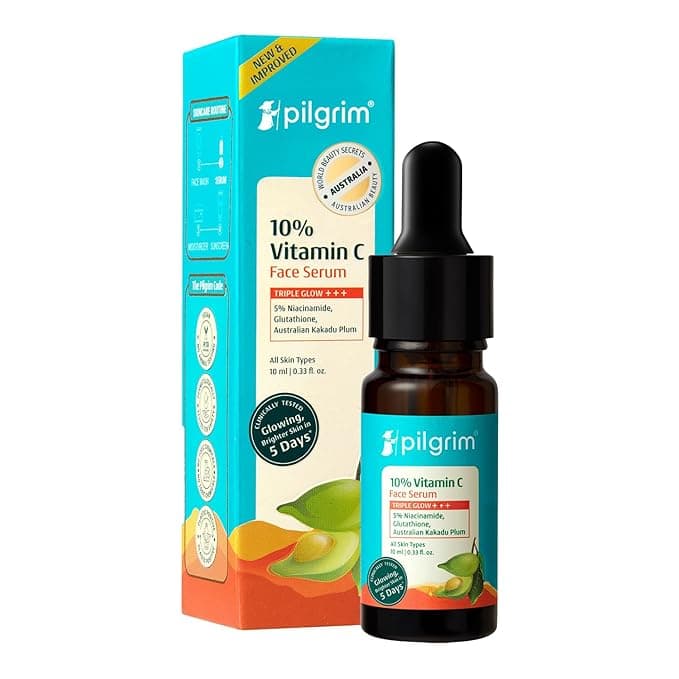
As an Amazon Associate, we earn from qualifying purchases. Links may earn a small commission at no extra cost to you.
Building a Routine for Wavy Hair
- Use a balanced, medium-weight leave-in or cream — too light won't define waves, too heavy will pull them straight
- Scrunch product upward into damp hair rather than smoothing it downward, which enhances natural wave pattern
- Avoid brushing dry wavy hair, which breaks up wave clumps and increases frizz — finger-detangle in the shower instead
Building a Routine for Curly Hair
Curly hair's natural shape makes it harder for scalp oils to travel down the hair shaft, so it tends to run drier than straight or wavy hair and needs more consistent moisture. The LOC method — liquid (water-based leave-in), oil (to seal), cream (to define and hold) — applied to soaking wet hair is one of the most reliable techniques for locking in moisture before it evaporates.
Building a Routine for Coily Hair
- Deep condition weekly with a moisture-focused mask, since coily hair's tight curl pattern makes it the most prone to dryness and breakage
- Use protective styles (braids, twists, buns) to minimize daily manipulation and reduce breakage from friction
- Detangle in sections with a wide-tooth comb or fingers, always starting from the ends and working upward
- Sleep on silk or satin to reduce friction that leads to breakage and frizz overnight
Check Your Porosity Before Buying Products
Low-porosity hair repels moisture and does better with lightweight products applied to damp hair; high-porosity hair absorbs quickly but loses moisture just as fast, and benefits from richer sealants like oils and butters.
Common Hair-Type Mismatches
Pros
- Choosing product weight and wash frequency based on your actual hair type
- Adjusting technique (scrunching, LOC method, protective styling) to match your texture
- Considering porosity alongside curl pattern when selecting products
Cons
- Using rich, heavy products on fine or straight hair, causing flatness
- Using lightweight products alone on curly or coily hair, leaving it under-moisturized
- Ignoring porosity and choosing products by curl pattern alone
| Hair Type | Wash Frequency | Product Weight | Key Technique |
|---|---|---|---|
| Straight/Fine | 1-2 days | Lightweight | Minimal product, roots-free application |
| Wavy | 2-3 days | Light-medium | Scrunching |
| Curly | 3-5 days | Medium-rich | LOC method |
| Coily | 5-7 days | Rich/emollient | Deep conditioning, protective styling |
The fastest way to fix a frustrating haircare routine is usually to admit you've been using products built for a different hair type than the one you actually have.
Final Verdict
Your hair type should shape nearly every decision in your routine — product weight, wash frequency, and technique. Start there before adding trending products, and pair curl pattern with a basic understanding of your hair's porosity for the most accurate routine.
Frequently Asked Questions
Sources
Related Products

As an Amazon Associate, we earn from qualifying purchases. Links may earn a small commission at no extra cost to you.
You Might Also Like
 Haircare
How to Find Your Hair Type: A Simple Self-Test
Curl pattern, porosity, and density all make up your hair type. Here's how to figure out all three at home, without guesswork.
 Haircare
The Correct Order of Haircare Products (And Why It Matters)
Layering haircare products in the wrong order can cancel out their benefits entirely. Here's the correct sequence, from wash-day cleansers to final styling touches.
 Haircare
Complete Haircare Routine for Beginners: A Simple Starting Point
A beginner-friendly haircare routine that cuts through the noise — the handful of steps that actually matter before you touch a single trending product.
Related Articles

Stay in the glow
Weekly routines and honest reviews, straight to your inbox.