Skincare Routine for Acne-Prone Skin: A Complete Step-by-Step Guide
Breakouts, clogged pores, and post-acne marks — a routine built around proven acne-fighting ingredients, without over-drying or over-treating your skin.
Jump to a section
Key Takeaways
- Salicylic acid (BHA) is especially effective for acne because it's oil-soluble and penetrates clogged pores directly.
- Over-drying acne-prone skin with harsh products often backfires, triggering more oil production and more breakouts.
- Moisturizer is not optional for acne-prone skin — choose an oil-free, non-comedogenic formula rather than skipping it.
- Niacinamide helps control oil and can reduce the visible appearance of post-acne dark marks over time.
- Sunscreen is essential for acne-prone skin — unprotected sun exposure makes post-acne marks darker and slower to fade.
Acne-prone skin is often treated with the most aggressive products on the shelf — the harshest cleanser, the strongest spot treatment, the most drying toner. But this approach frequently backfires: stripped, irritated skin heals slower and can even trigger more breakouts through reactive oil production. A genuinely effective acne routine is consistent and targeted, not harsh.
This guide walks through a routine built around ingredients with real evidence behind them for acne — salicylic acid, benzoyl peroxide, and niacinamide — while protecting your skin barrier and reducing the visible marks acne often leaves behind.
Quick Answer: The Acne-Prone Skin Routine
- AM: Gentle gel cleanser, niacinamide serum, oil-free moisturizer, non-comedogenic SPF 30+
- PM: Same cleanser, salicylic acid or benzoyl peroxide spot treatment, oil-free moisturizer
- Consistency matters more than strength — most acne routines need 6-8 weeks to show real results
- Avoid: Harsh scrubs, over-washing, and picking at active breakouts
Who Should Read This Guide
- Anyone dealing with recurring breakouts, blackheads, or clogged pores
- Readers left with post-acne dark marks even after breakouts clear
- People who've tried harsh, drying products without lasting improvement
How Acne Actually Forms
Acne develops when excess oil, dead skin cells, and bacteria clog a pore, triggering inflammation. Effective treatment targets these mechanisms directly — clearing pores (salicylic acid), reducing acne-causing bacteria (benzoyl peroxide), and calming inflammation (niacinamide) — rather than simply drying out the surface of the skin, which does nothing to address the clog underneath.
Over-Drying Can Make Acne Worse
Stripping the skin barrier with harsh cleansers or excessive alcohol-based toners can trigger reactive oil production, potentially worsening breakouts. A consistent, gentle routine with targeted actives outperforms an aggressive, stripping one.
Step 1: A Gentle Cleanser, Not a Harsh One
A gel cleanser, ideally with a low concentration of salicylic acid, removes excess oil and debris without over-stripping the skin. Cleanse twice daily; more frequent washing typically worsens rather than improves acne.
Step 2: Treat With Salicylic Acid or Benzoyl Peroxide
Salicylic acid exfoliates inside the pore, making it effective for blackheads and clogged pores. Benzoyl peroxide targets acne-causing bacteria directly and works well for inflamed, active breakouts. Both can be drying at first — start with lower concentrations and less frequent use, increasing gradually as your skin builds tolerance.
| Concern | Best Active | How Often to Start |
|---|---|---|
| Blackheads, clogged pores | Salicylic acid (BHA) | Every other night |
| Active, inflamed breakouts | Benzoyl peroxide (2.5-5%) | As a spot treatment, daily |
| Post-acne dark marks | Niacinamide + daily SPF | Daily, full face |
| Overall oil control | Niacinamide | Daily, AM and PM |
Step 3: Moisturize — Even With Active Breakouts
Skipping moisturizer because your skin is breaking out is one of the most common acne-routine mistakes. An oil-free, non-comedogenic moisturizer supports your skin barrier while active ingredients like salicylic acid or benzoyl peroxide do the treatment work — without it, dryness and irritation from those actives compound quickly.
Step 4: Sunscreen to Protect Post-Acne Marks
Post-inflammatory hyperpigmentation — the dark marks left behind after a breakout heals — gets darker and takes longer to fade with unprotected sun exposure. Daily, non-comedogenic sunscreen is essential for anyone actively treating acne, not an optional extra.
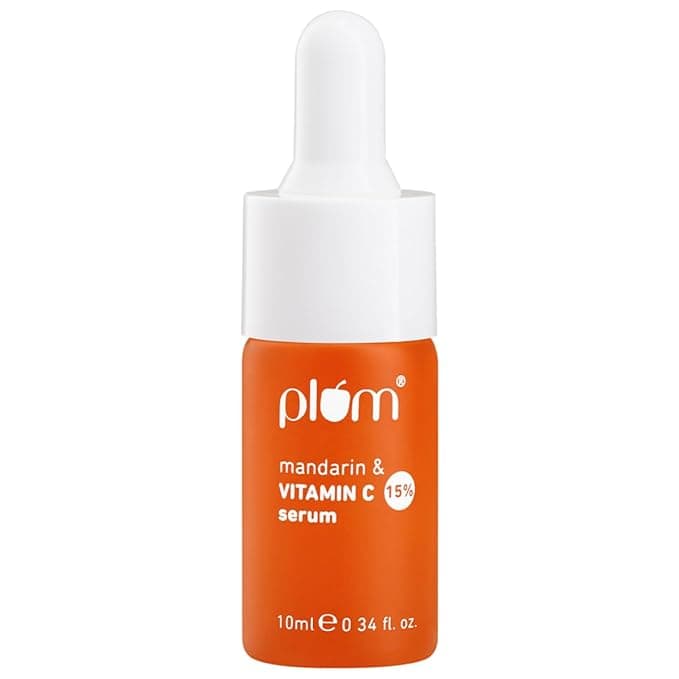
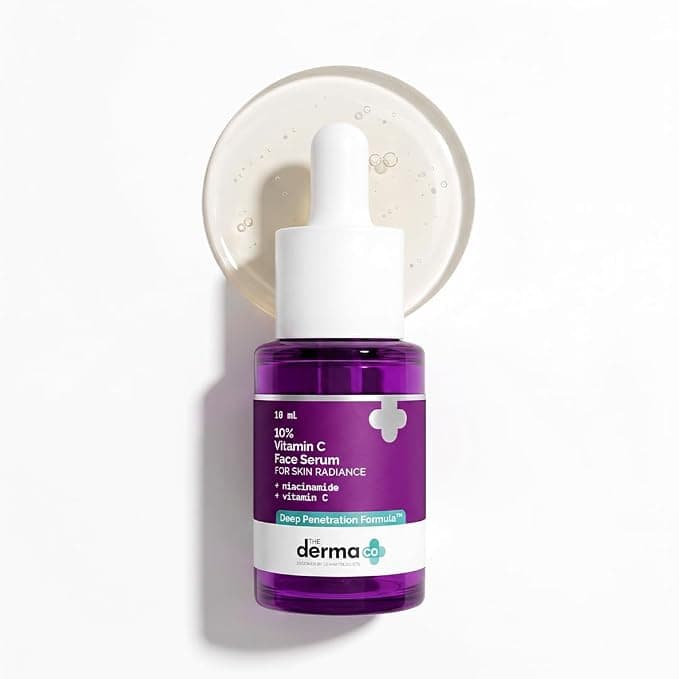
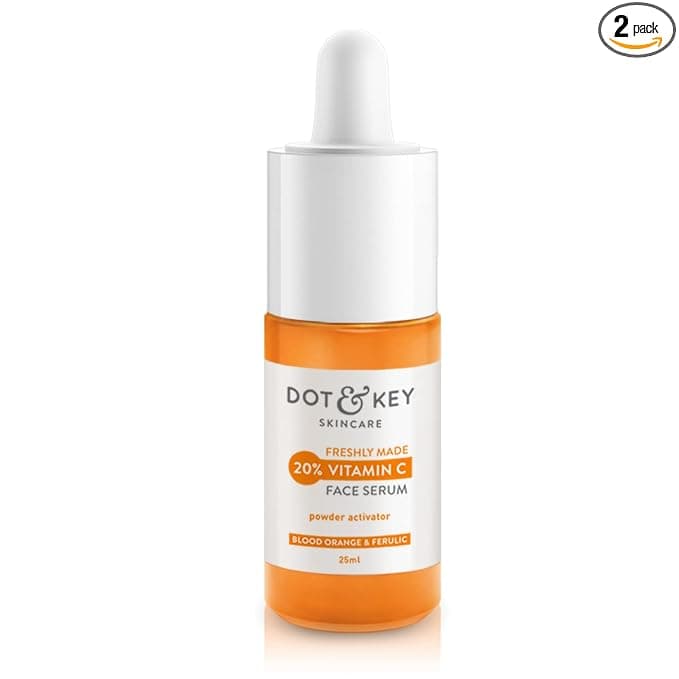
Non-comedogenic picks that support an acne-focused routine without clogging pores.
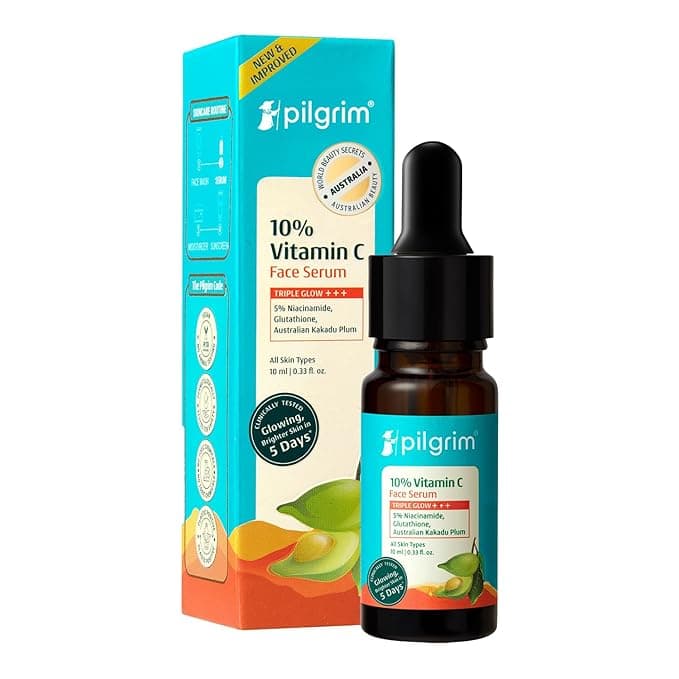
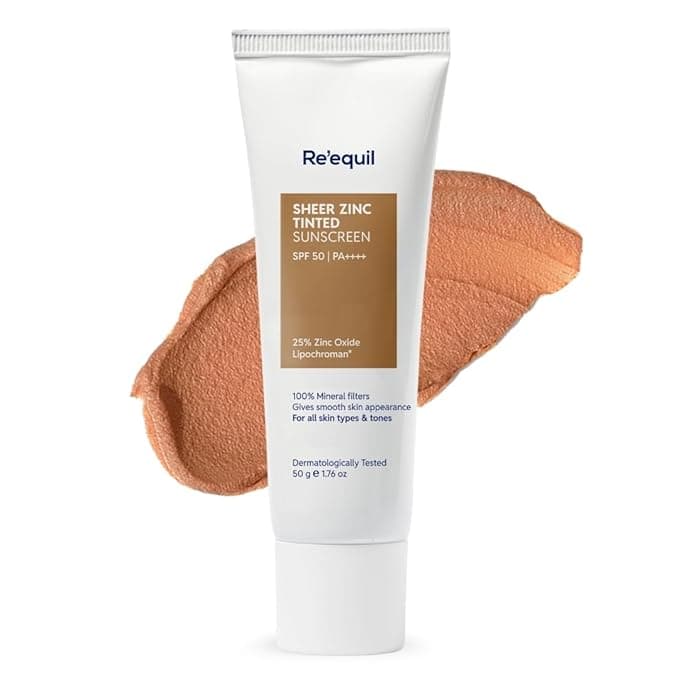
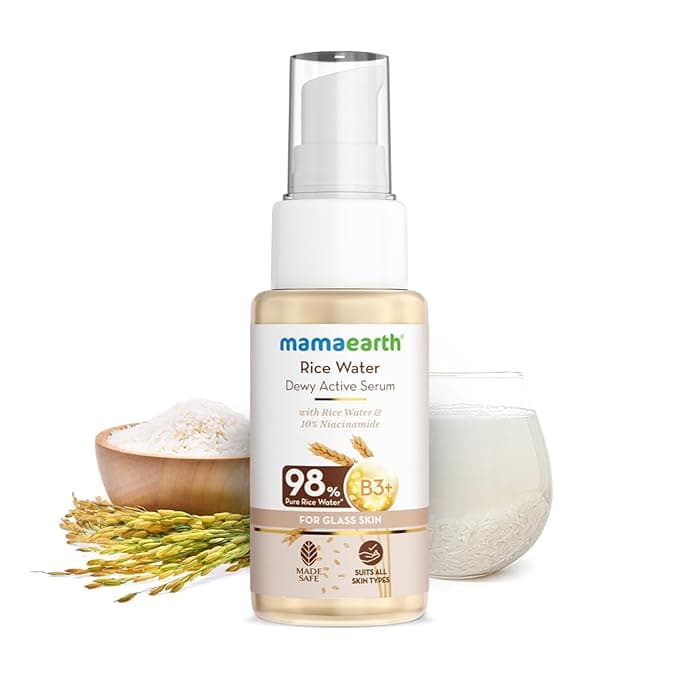
As an Amazon Associate, we earn from qualifying purchases. Links may earn a small commission at no extra cost to you.
Step-by-Step: Your Daily Acne-Prone Routine
- 1Morning: Cleanse with a gentle gel cleanser.
- 2Apply a niacinamide serum across the full face.
- 3Moisturize with an oil-free, non-comedogenic formula.
- 4Finish with a non-comedogenic, broad-spectrum SPF 30+.
- 5Night: Cleanse again to remove the day's buildup.
- 6Apply salicylic acid (every other night) or benzoyl peroxide as a spot treatment on active breakouts.
- 7Moisturize to protect the barrier, even on nights you use an active treatment.
- 8Give the routine 6-8 weeks before judging results, adjusting active strength only if there's no irritation.
Common Mistakes With Acne-Prone Skin
- Over-washing or scrubbing breakouts, which irritates skin and can worsen inflammation.
- Skipping moisturizer out of fear it will cause more breakouts.
- Picking or popping active breakouts, which increases the risk of scarring and dark marks.
- Using multiple strong actives (salicylic acid, benzoyl peroxide, retinol) at the same time without easing in.
- Skipping sunscreen, which allows post-acne dark marks to darken and linger longer.
Expert Tips
Spot-Treat, Don't Full-Face Treat, Benzoyl Peroxide
Apply benzoyl peroxide directly to active breakouts rather than your entire face to reduce dryness and irritation while still getting the antibacterial benefit where you need it.
The patients who clear up fastest aren't using the harshest products — they're the ones who stick with a gentle, consistent routine long enough for salicylic acid or benzoyl peroxide to actually work.
Final Verdict
Effective acne care is consistent and targeted, not harsh. Lead with salicylic acid or benzoyl peroxide, support your barrier with a non-comedogenic moisturizer, and protect healing skin with daily sunscreen — give it 6-8 weeks before judging results.
Conclusion
Acne-prone skin responds best to patience and the right actives, not aggression. Stick to a gentle, non-comedogenic routine, treat consistently, and never skip sunscreen. If this guide helped, explore more of our skincare routines and subscribe to the Glow by Kudozz newsletter for weekly, no-fluff beauty advice.
Frequently Asked Questions
Sources
Related Products
As an Amazon Associate, we earn from qualifying purchases. Links may earn a small commission at no extra cost to you.
You Might Also Like
 Skincare
Teen Girls Skincare Routine: A Simple Guide for Puberty-Prone Skin
Hormonal breakouts, oily patches, and social pressure to try every trending product — a simple, dermatologist-informed routine built for teen girls.
 Skincare
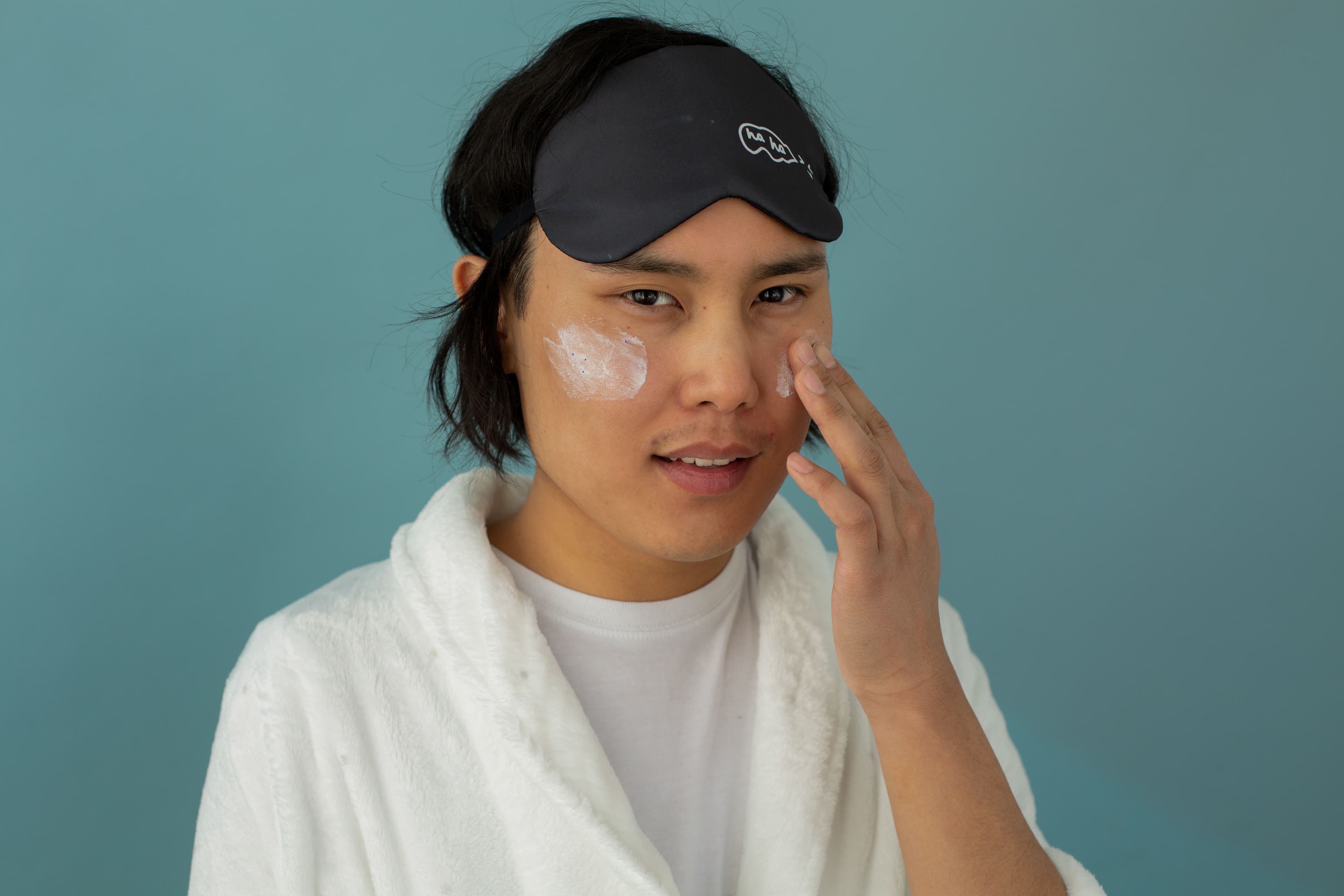
Teen Boys Skincare Routine: A Simple Guide for Puberty-Prone Skin
Puberty brings more oil, more breakouts, and often the first razor — here's a simple, no-fuss skincare routine built specifically for teen boys.
 Skincare
Skincare Routine for Oily Skin: A Complete Step-by-Step Guide
Shine by noon, clogged pores, and breakouts that won't quit — here's a dermatologist-informed routine built specifically for oily skin in Indian heat and humidity.
Related Articles
Stay in the glow
Weekly routines and honest reviews, straight to your inbox.