Skincare Routine for Oily Skin: A Complete Step-by-Step Guide
Shine by noon, clogged pores, and breakouts that won't quit — here's a dermatologist-informed routine built specifically for oily skin in Indian heat and humidity.

Jump to a section
Key Takeaways
- Oily skin still needs moisturizer — skipping it triggers more oil production, not less.
- Salicylic acid (BHA) is the standout exfoliant for oily, pore-clogged skin because it's oil-soluble and cuts through excess sebum.
- Niacinamide at 5-10% helps visibly regulate oil production over 4-6 weeks of consistent use.
- Gel, foam, or matte-finish formulas outperform creamy, rich textures for most oily skin types, especially in humidity.
- Over-cleansing and over-exfoliating are the two most common mistakes — both strip the barrier and cause reactive oil production.
Oily skin gets blamed for a lot — breakouts, midday shine, makeup that slides off by lunch. But oily skin isn't a flaw to fix, it's a skin type to work with. The goal of a good routine isn't to eliminate oil entirely (that's neither possible nor healthy); it's to keep production balanced, pores clear, and shine manageable without stripping your skin barrier in the process.
In Indian heat and humidity, oily skin can feel especially relentless, which pushes a lot of people toward harsh, stripping products that actually make things worse. This guide covers exactly which products, textures, and ingredients work for oily skin — and which habits are quietly sabotaging your results.
Quick Answer: The Oily Skin Routine
- AM: Gel or foaming cleanser, oil-free lightweight moisturizer, matte or gel-finish SPF 30+
- PM: Same cleanser, niacinamide serum, oil-free moisturizer
- 2-3x per week: Salicylic acid (BHA) treatment to clear pores and control oil at the source
- Avoid: Rich creams, oil-based cleansers left on too long, and over-washing more than twice a day
Who Should Read This Guide
- Anyone whose skin looks shiny by midday, especially on the forehead, nose, and chin
- People with visibly enlarged pores or a tendency toward blackheads and breakouts
- Readers who've tried stripping their skin with harsh cleansers, only to end up oilier
- Anyone confused about whether oily skin actually needs a moisturizer (it does)
Why Oily Skin Behaves the Way It Does
Oily skin produces excess sebum, largely driven by genetics, hormones, and — in India's climate — heat and humidity, which naturally increase oil output. The instinct to fight oil with harsh, stripping cleansers or skipping moisturizer entirely is understandable, but it backfires: stripped skin senses a loss of hydration and ramps up oil production to compensate, creating a cycle of shine and breakouts.
Oily Doesn't Mean Dehydrated-Proof
Oily skin can still be dehydrated (lacking water, not oil). If your skin feels tight after cleansing but looks shiny an hour later, you may be dealing with dehydrated-oily skin — a lightweight, hydrating formula fixes this better than an oil-stripping one.
Step 1: Cleansing Without Over-Stripping
A gel or foaming cleanser, ideally with a small amount of salicylic acid, removes excess oil, sweat, and sunscreen without leaving skin feeling tight and dry. Cleanse twice daily — morning and night — and resist the urge to wash more often; over-cleansing strips protective oils and triggers reactive sebum production.
Step 2: Treat With Niacinamide and Salicylic Acid
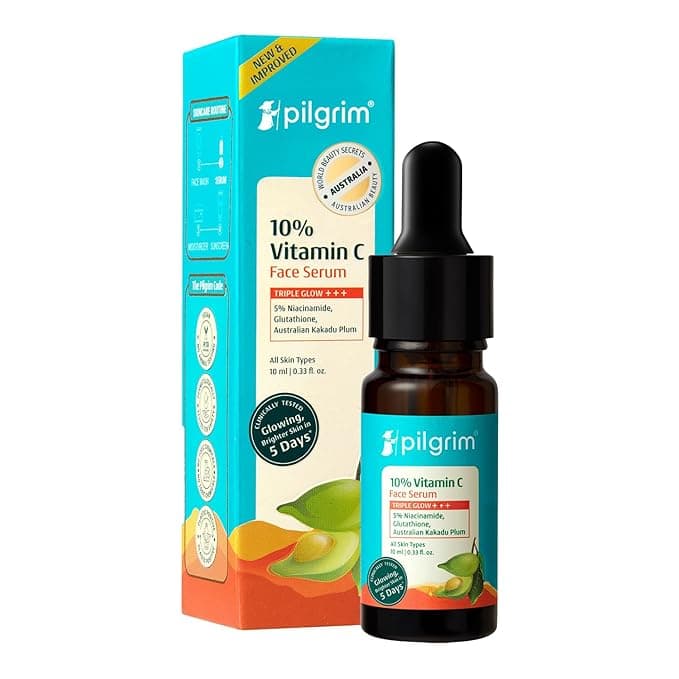
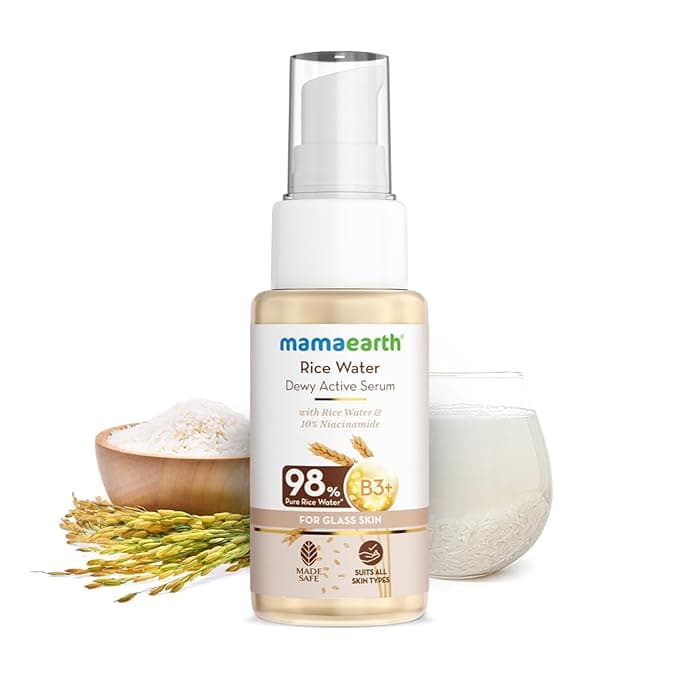
Niacinamide is the single most useful daily treatment ingredient for oily skin — used consistently at 5-10% concentration, it visibly reduces oil production and minimizes the look of pores over several weeks. Salicylic acid, used 2-3 times a week rather than daily, dissolves the oil and debris that clog pores, helping prevent blackheads and breakouts before they start.
| Seek Out | Use With Caution | Generally Avoid |
|---|---|---|
| Niacinamide (5-10%) | Retinol (start low, 2x/week) | Heavy occlusive balms |
| Salicylic acid (BHA) | Vitamin C (can feel heavy in high humidity) | Coconut oil-based products |
| Oil-free hyaluronic acid | Physical scrubs (use gently, not daily) | Alcohol-heavy toners |
Step 3: Moisturize — Yes, Really
Skipping moisturizer is the single most common oily-skin mistake. Choose an oil-free, non-comedogenic, gel-based moisturizer that hydrates without adding surface oil. Within a few weeks of consistent use, most oily skin types actually see less midday shine, not more, because the skin no longer needs to overcompensate for lost hydration.
Step 4: Sunscreen Without the Greasy Finish
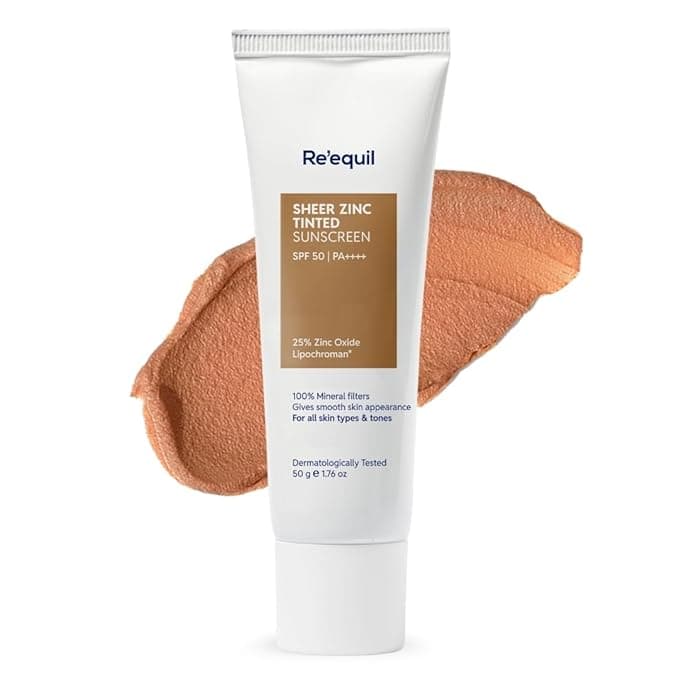
Sunscreen is non-negotiable, but the wrong formula can feel unbearable on oily skin. Choose a matte-finish, gel, or fluid sunscreen labeled non-comedogenic. Mineral formulas have improved significantly and no longer have to mean a heavy, greasy finish.
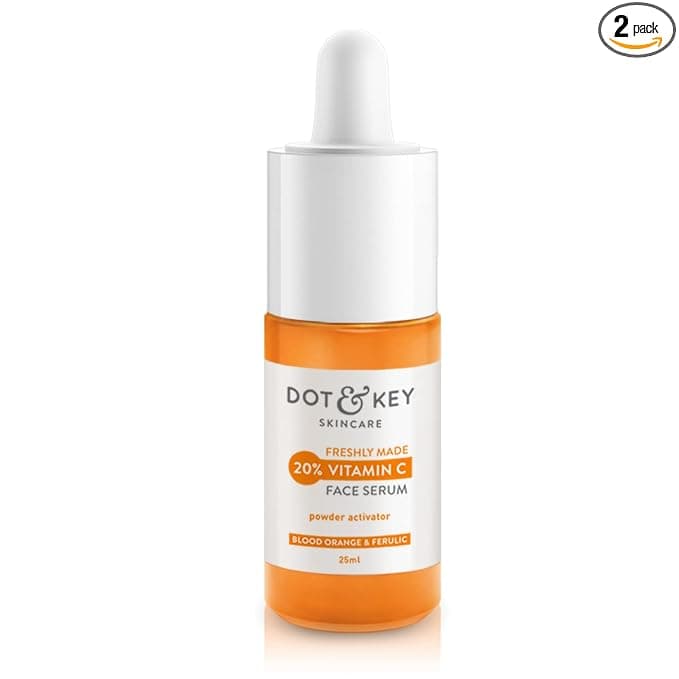
Here's a routine put together specifically for oily and combination-oily skin in Indian conditions.
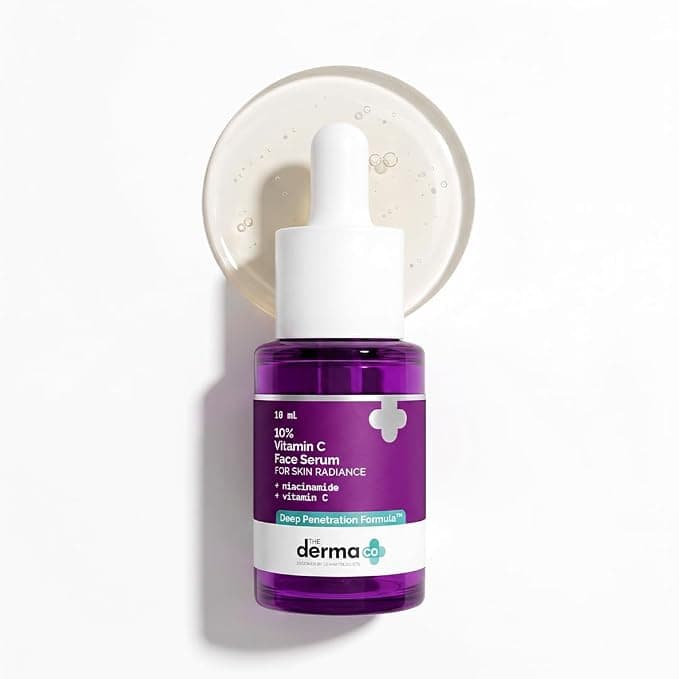
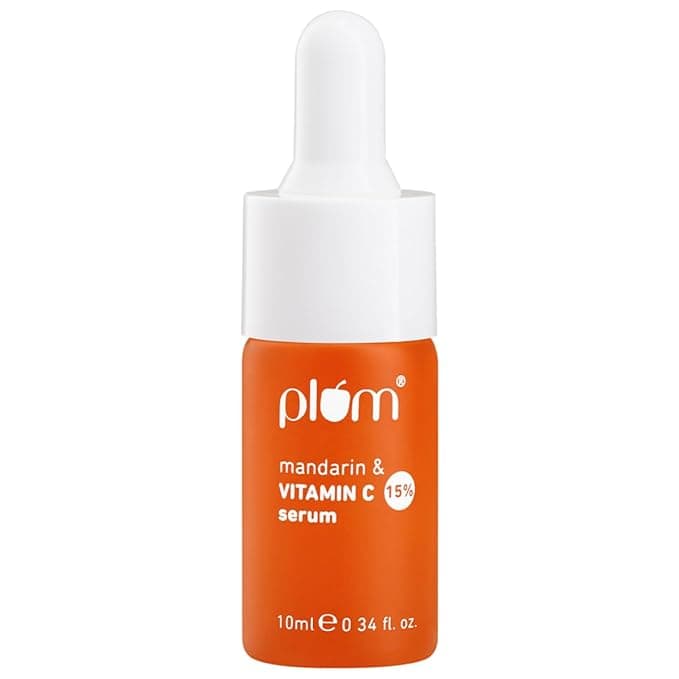
As an Amazon Associate, we earn from qualifying purchases. Links may earn a small commission at no extra cost to you.
Step-by-Step: Your Daily Oily Skin Routine
- 1Morning: Cleanse with a gel or foaming cleanser.
- 2Apply a niacinamide serum and let it absorb for 60 seconds.
- 3Follow with an oil-free, gel-based moisturizer.
- 4Finish with a matte or gel-finish broad-spectrum SPF 30+.
- 5Night: Cleanse again to remove the day's oil, sweat, and sunscreen.
- 62-3 nights a week: apply a salicylic acid treatment instead of niacinamide.
- 7Moisturize with the same oil-free formula to finish.
Common Mistakes With Oily Skin
- Skipping moisturizer, which triggers more oil production, not less.
- Washing your face more than twice a day, which strips the barrier.
- Using harsh, alcohol-based toners that leave skin feeling 'squeaky clean' but actually damaged.
- Over-exfoliating with both physical scrubs and chemical acids in the same week.
- Choosing thick, rich moisturizers marketed for dry skin out of habit rather than checking the texture.
Expert Tips
Blotting Papers, Not More Washing
If midday shine bothers you, reach for blotting papers instead of washing your face again. Re-washing removes your moisturizer and sunscreen along with the oil, restarting the cycle.
The oily skin patients who see the fastest improvement aren't the ones using the most products — they're the ones who finally stop skipping moisturizer.
Final Verdict
Oily skin responds best to consistency and balance, not aggression. A gentle cleanser, a niacinamide-led treatment step, a lightweight moisturizer, and daily SPF will do more for your shine and breakouts over a month than any harsh, stripping product will do in a week.
Conclusion
Managing oily skin is about balance, not elimination. Stick to lightweight, oil-free formulas, don't skip moisturizer, and let niacinamide and salicylic acid do the heavy lifting. If this guide helped, explore more of our skincare routines and subscribe to the Glow by Kudozz newsletter for weekly, no-fluff beauty advice.
Frequently Asked Questions
Sources
Related Products
As an Amazon Associate, we earn from qualifying purchases. Links may earn a small commission at no extra cost to you.
You Might Also Like
 Skincare
Skincare Routine for Acne-Prone Skin: A Complete Step-by-Step Guide
Breakouts, clogged pores, and post-acne marks — a routine built around proven acne-fighting ingredients, without over-drying or over-treating your skin.
 Skincare
Teen Girls Skincare Routine: A Simple Guide for Puberty-Prone Skin
Hormonal breakouts, oily patches, and social pressure to try every trending product — a simple, dermatologist-informed routine built for teen girls.
 Skincare
Teen Boys Skincare Routine: A Simple Guide for Puberty-Prone Skin
Puberty brings more oil, more breakouts, and often the first razor — here's a simple, no-fuss skincare routine built specifically for teen boys.
Related Articles


Stay in the glow
Weekly routines and honest reviews, straight to your inbox.