Skincare Routine for Eczema-Prone Skin: A Complete Step-by-Step Guide
A gentle, fragrance-free routine designed to support your skin barrier and reduce flare-ups when you're living with eczema, alongside guidance from a dermatologist.
Jump to a section
Key Takeaways
- Eczema is a chronic barrier condition, not something skincare alone can cure — routine is supportive care, not a replacement for medical treatment.
- Fragrance-free, dye-free, and low-ingredient-count products reduce the risk of triggering a flare.
- Ceramide-rich moisturizers and occlusives are the backbone of any eczema-friendly routine.
- Hot showers, harsh cleansers, and over-exfoliation are common triggers to avoid.
- See a dermatologist promptly if you notice oozing, cracking, or a flare that doesn't respond to moisturizer within a few days.
If you live with eczema (atopic dermatitis), you already know that skincare is rarely about glow or glass skin — it's about comfort, calm, and keeping your barrier intact through India's swings between dry winters, dusty summers, and humid monsoons. The right routine won't cure eczema, but it can meaningfully reduce the frequency and severity of flares when paired with any treatment your dermatologist has prescribed.
This guide lays out a gentle, fragrance-free, ceramide-forward routine built specifically for eczema-prone skin, along with the ingredients and habits that tend to trigger flares so you know what to avoid. Think of it as supportive care that works alongside — never instead of — professional dermatological treatment.
Quick Answer: The Eczema-Friendly Routine
- AM: Lukewarm water rinse or a fragrance-free cleanser, ceramide moisturizer, mineral sunscreen (zinc oxide based)
- PM: Fragrance-free cleanser (only if needed), ceramide-rich barrier cream, occlusive layer on very dry patches
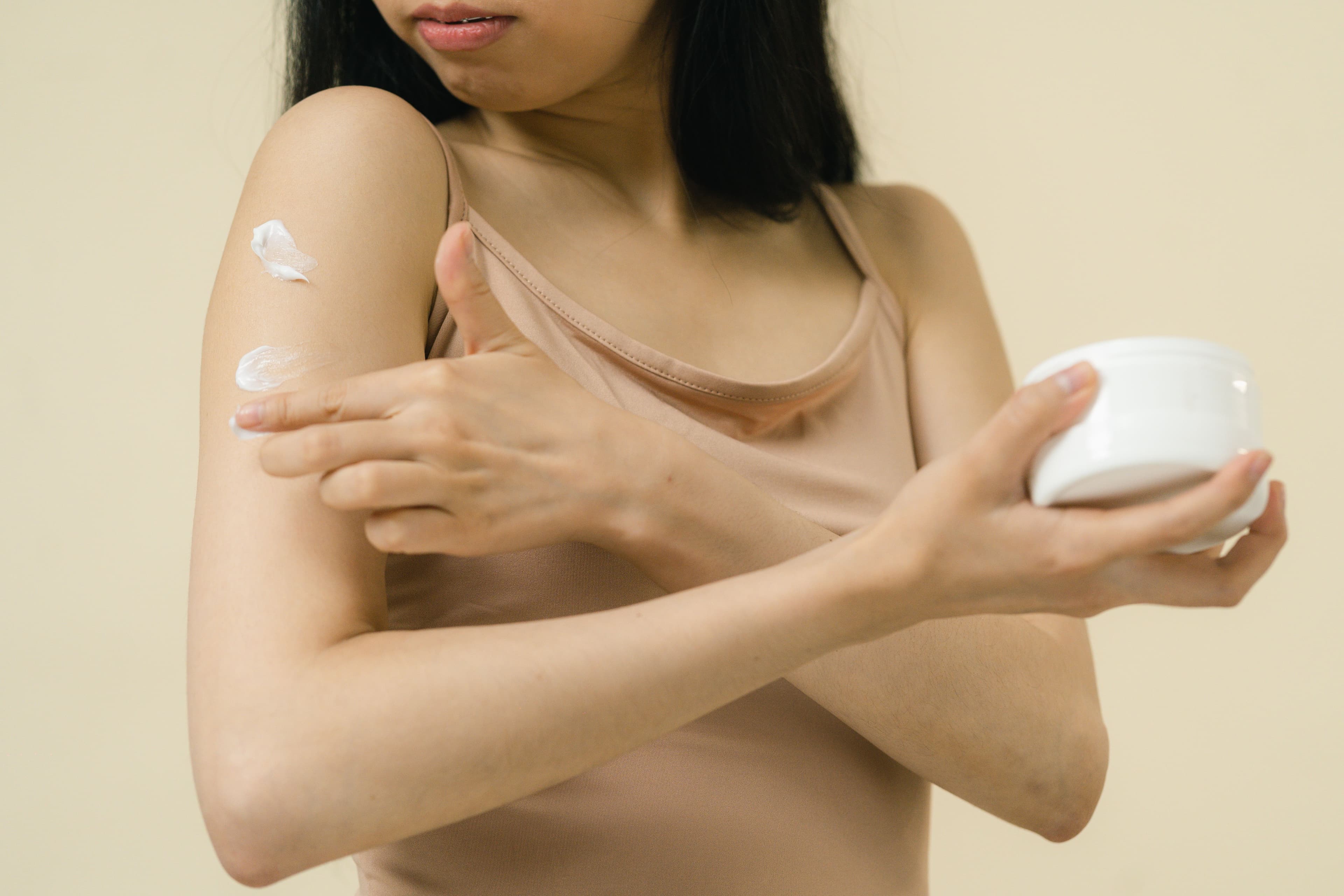
- As needed: Apply moisturizer within 3 minutes of bathing to lock in moisture
- Weekly: Patch-test any new product on your inner arm for 3-5 days before using it on your face or affected areas
- Ongoing: Keep a symptom diary to identify personal triggers (soaps, fabrics, sweat, certain foods, stress)
Who Should Read This Guide
- Anyone diagnosed with atopic dermatitis (eczema) looking to build a supportive daily routine
- People experiencing recurring dry, itchy, red patches, especially in elbow creases, behind knees, or on the face and neck
- Parents managing eczema-prone skin in children (with pediatric dermatologist guidance)
- Anyone whose skin reacts badly to fragranced products, harsh soaps, or frequent hot showers
- People currently on a prescribed topical steroid or calcineurin inhibitor who want a compatible daily routine
Understanding Eczema and a Compromised Skin Barrier
Eczema is fundamentally a skin barrier disorder. People with atopic dermatitis often have lower levels of ceramides — the lipids that hold skin cells together and keep moisture in. This weakened barrier lets water escape more easily (called transepidermal water loss) and lets irritants and allergens in more easily, which is why eczema-prone skin reacts to things that wouldn't bother other skin types at all.
This is supportive care, not treatment
This routine is designed to reduce triggers and support your barrier between flares. It is not a substitute for prescribed treatment. If you have moderate-to-severe eczema, oozing or weeping skin, signs of infection, or a flare that isn't improving, please see a dermatologist promptly.
Ingredients to Seek Out vs. Ingredients to Avoid
| Category | Look For | Avoid |
|---|---|---|
| Cleansers | Fragrance-free, soap-free, syndet bars | Sulfates, foaming cleansers, bar soap |
| Moisturizers | Ceramides, cholesterol, fatty acids, colloidal oatmeal | Fragrance, essential oils, alcohol denat. |
| Actives | Niacinamide (low %, patch-tested), petrolatum | Retinoids, AHAs/BHAs, vitamin C during flares |
| Sunscreen | Mineral (zinc oxide), fragrance-free | Chemical filters with fragrance or high alcohol content |
| Fabrics | Soft cotton, breathable fabrics | Wool, tight synthetic fabrics that trap sweat |
The Role of Ceramides and Occlusives
Ceramide-replenishing creams work by physically patching the gaps in a weakened barrier, similar to mortar between bricks. Look for moisturizers listing ceramides (NP, AP, EOP) alongside cholesterol and fatty acids in roughly balanced ratios — this combination mimics your skin's natural lipid makeup better than ceramides alone.
For very dry or actively flaring patches, an occlusive layer such as plain petroleum jelly or a thicker balm applied over your moisturizer at night can dramatically reduce water loss while you sleep. Many dermatologists recommend this simple technique, sometimes called 'wet wrap therapy' when combined with damp cotton clothing, for stubborn patches.
Soak and seal
After a short, lukewarm bath or shower, pat skin just damp-dry and apply your moisturizer within three minutes. This 'soak and seal' method traps significantly more moisture than applying cream to fully dry skin.
A minimalist product lineup reduces the number of variables that could trigger a reaction. These gentle, fragrance-free options are commonly well tolerated by reactive and eczema-prone skin, but always patch-test first.
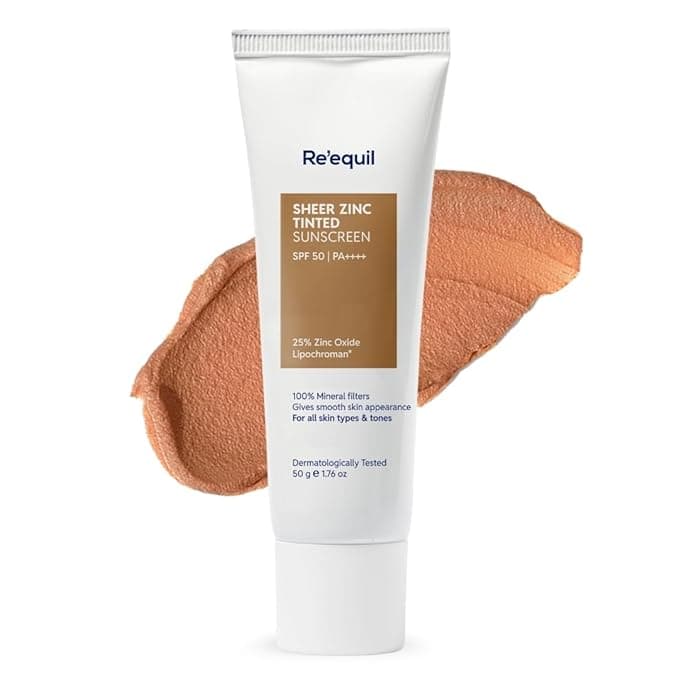
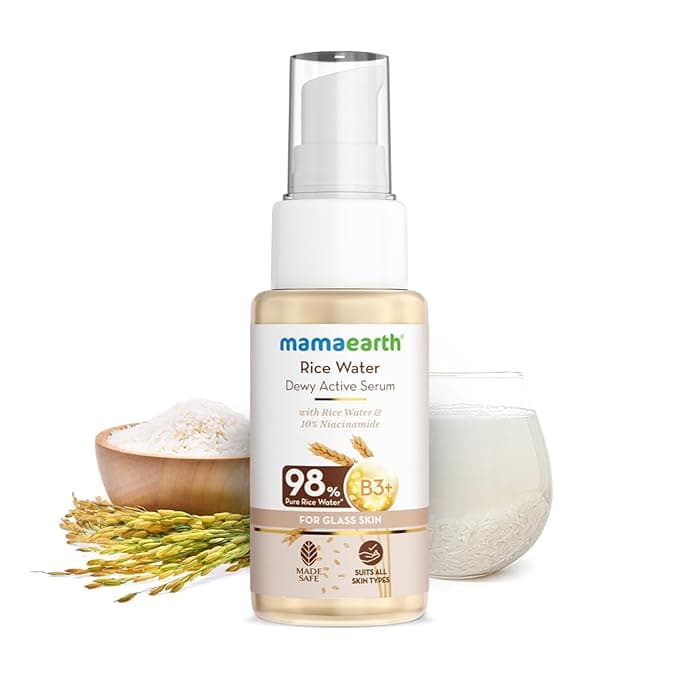

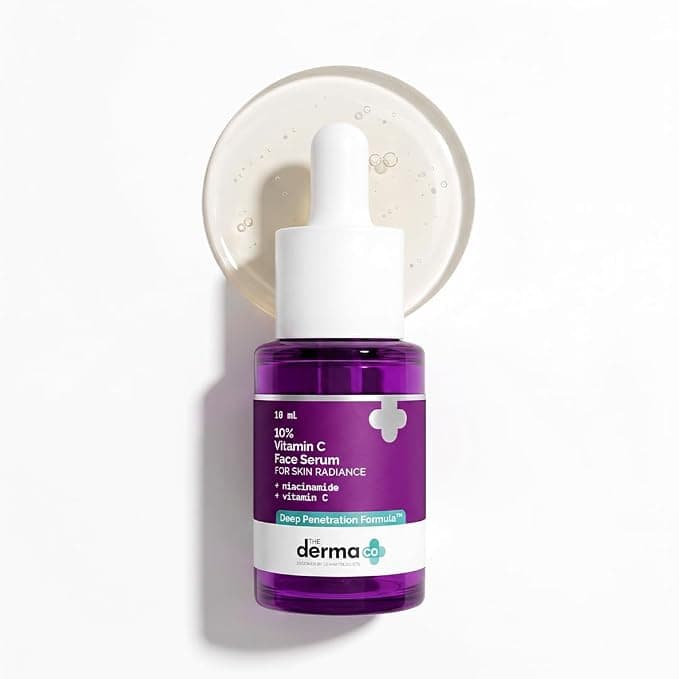
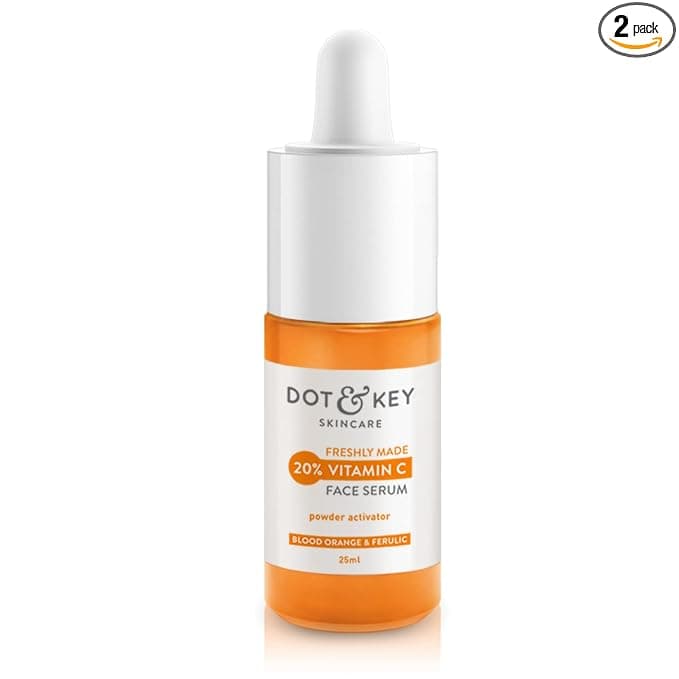
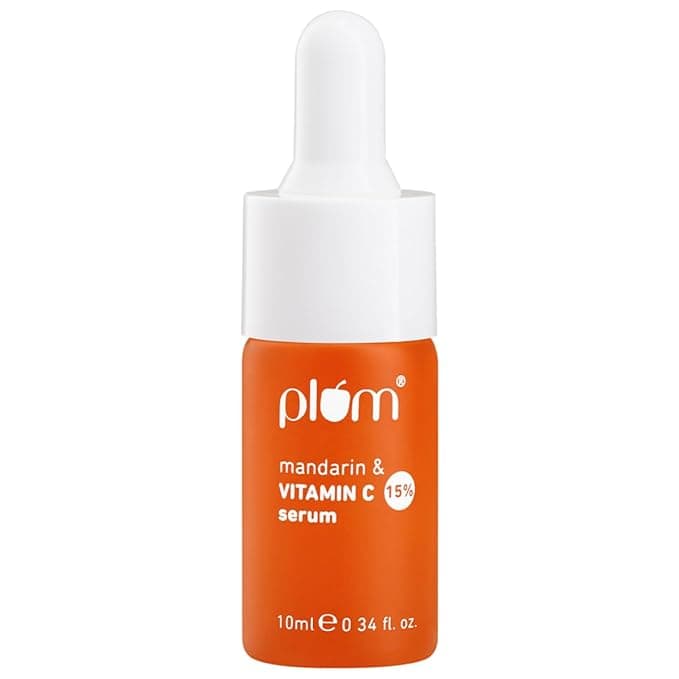
As an Amazon Associate, we earn from qualifying purchases. Links may earn a small commission at no extra cost to you.
Step-by-Step: Your Daily Routine
- 1Morning: Rinse face with lukewarm water only, or use a fragrance-free cleanser if you feel residue from overnight cream
- 2Morning: While skin is still slightly damp, apply a ceramide-rich moisturizer in gentle, downward strokes — avoid rubbing
- 3Morning: Finish with a mineral sunscreen (zinc oxide) at least SPF 30, reapplied if you're outdoors for long
- 4Evening: Cleanse gently only if needed — many eczema-prone people can skip PM cleansing on non-sweaty days
- 5Evening: Apply your ceramide moisturizer generously, focusing on known dry zones like elbows, knees, and cheeks
- 6Evening: On active dry or itchy patches, seal with a thin layer of petroleum jelly or a prescribed medicated ointment
- 7Nightly: Sleep on a soft cotton or silk pillowcase to reduce friction against sensitive facial skin
- 8Weekly: Reassess — if a patch hasn't improved in 5-7 days, or looks infected, book a dermatologist visit
Common Mistakes to Avoid
- Taking long, hot showers — heat strips natural oils and worsens itching
- Introducing multiple new products at once, making it impossible to identify a trigger if a flare occurs
- Using 'natural' or essential-oil-based products assuming they're gentler — many botanical fragrances are common eczema triggers
- Skipping moisturizer on days skin 'looks fine' — consistency prevents the barrier from breaking down again
- Self-prescribing steroid creams long-term without dermatologist supervision, which can thin skin over time
Expert Tips
Keep it boring on purpose
The fewer ingredients and steps in your routine, the fewer chances you give your skin to react. A three-product routine used consistently will outperform a ten-step routine used inconsistently.
For eczema-prone skin, the goal isn't a fancy routine — it's a boring, repeatable one. Consistency with a bland, ceramide-based moisturizer does more for barrier repair than any single 'miracle' ingredient.
Final Verdict
Eczema-prone skin thrives on predictability: gentle cleansing, generous ceramide-based moisturizing, mineral sunscreen, and a low tolerance for fragrance or unnecessary actives. Build this foundation first, and only add anything else after checking in with your dermatologist, especially during a flare.
Conclusion
Living well with eczema is about protecting your barrier every single day, not just when a flare shows up. Pair this gentle routine with your dermatologist's guidance, and explore more of our barrier-repair and sensitive skin guides, or subscribe to our newsletter for research-backed tips delivered straight to your inbox.
Frequently Asked Questions
Sources
Related Products
As an Amazon Associate, we earn from qualifying purchases. Links may earn a small commission at no extra cost to you.
You Might Also Like
 Skincare
Winter Skincare Routine for Indian Skin: Fixing Dryness the Right Way
A dermatologist-informed winter skincare routine for Indian skin — richer moisturizers, gentler cleansing, and barrier repair that fights dryness without clogging pores.
 Skincare
Anti-Aging Skincare Routine: A Complete Step-by-Step Guide
The definitive, research-backed guide to building a comprehensive anti-aging routine — retinoids, antioxidants, SPF, hydration, and the lifestyle habits that tie it all together.
 Skincare
Complete Skincare Routine for Beginners in India (Step-by-Step Guide)
New to skincare? Here's a simple, budget-friendly routine built specifically for Indian skin, weather, and lifestyle — no 10-step regimen required.
Related Articles

Stay in the glow
Weekly routines and honest reviews, straight to your inbox.