Skincare Routine for Fine Lines: A Complete Step-by-Step Guide
Catch fine lines early with a preventive, softening routine built around gentle retinol, peptides, hydration, and daily SPF.

Jump to a section
Key Takeaways
- Fine lines are typically the earliest visible sign of aging and respond especially well to early, preventive care.
- Retinol and peptides work complementarily — retinol boosts turnover and collagen, peptides support skin structure.
- Hydration is foundational: dehydrated skin makes fine lines look deeper and more pronounced than they are.
- Daily SPF prevents new fine lines from forming and protects the collagen you're actively working to preserve.
- Starting a gentle retinol routine in your 20s-30s is one of the most effective preventive anti-aging steps.
Fine lines are usually the first visible marker that skin's collagen production is starting to slow — small creases around the eyes, forehead, or mouth that show up more with expression before eventually becoming visible at rest. Catching them early is one of the best-timed interventions in skincare, because fine lines respond far more readily to treatment than deeper, more established wrinkles.
This guide lays out a preventive, softening routine designed specifically for fine lines — built around gentle retinol, peptides, and rigorous hydration, with daily SPF as the non-negotiable foundation that protects your progress.
Quick Answer: The Fine-Lines Routine
- AM: Hydrating cleanser, antioxidant serum, peptide moisturizer, broad-spectrum SPF 30-50
- PM: Cleanse, gentle retinol (start 2-3x weekly), rich moisturizer to buffer irritation
- Weekly: A hydrating mask or extra layer of hyaluronic acid to plump fine lines
- Ongoing: Consistent SPF use to prevent new lines from UV-driven collagen breakdown
- Patience: 12+ weeks of consistent use before expecting visible softening
Who Should Read This Guide
- Anyone in their mid-20s to late-30s starting to notice early expression lines
- People who want a preventive, not corrective, approach to early signs of aging
- Anyone new to retinol looking for a gentle, low-irritation starting routine
- People whose fine lines look worse due to dehydration rather than true aging
- Anyone wanting to build sustainable long-term habits before deeper wrinkles form
Why Fine Lines Form Early
Fine lines form from a mix of repeated facial expressions, gradual collagen decline (which can begin as early as the mid-20s), and dehydration, which makes skin's surface less plump and more prone to showing creases. Environmental factors — sun exposure, pollution, and even screen-related squinting — accelerate the process, which is why prevention matters as much as correction.
Dehydration lines vs. true wrinkles
Fine dehydration lines often disappear temporarily after a rich moisturizer is applied, while true aging-related wrinkles remain visible regardless of hydration. If your lines vanish with moisture, hydration should be your first priority before adding stronger actives.
Retinol vs. Peptides for Fine Lines
| Ingredient | Mechanism | Best Time to Use |
|---|---|---|
| Retinol | Accelerates cell turnover, stimulates collagen production | PM, start 2-3x weekly |
| Peptides | Signal skin to produce more collagen, support existing structure | AM and/or PM, gentle enough for daily use |
| Hyaluronic acid | Draws and holds water in skin, plumping fine lines temporarily | AM and PM on damp skin |
| Niacinamide | Supports barrier function, improves texture over time | AM, layers well with most actives |
Building Retinol Tolerance Without Irritation
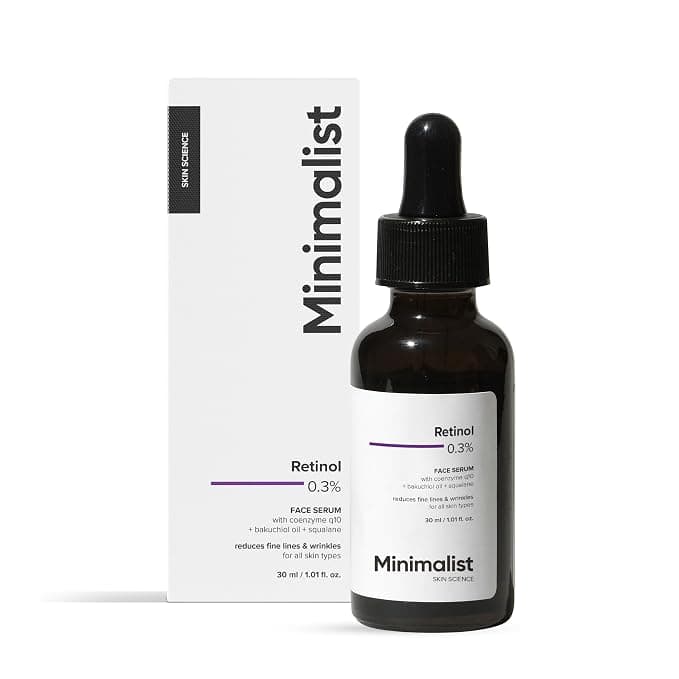
The most common reason people give up on retinol is irritation from starting too strong, too fast. Begin with a lower-strength formula two to three nights a week, always applied to fully dry skin, and follow with a rich moisturizer to buffer any tightness or flaking. Over four to six weeks, you can typically build up to nightly use as tolerance improves.
Buffer with moisturizer
If retinol feels too intense, try applying your moisturizer first, then retinol over it (or vice versa, per your product's instructions) — this 'buffering' technique slows absorption slightly and reduces irritation while you build tolerance.
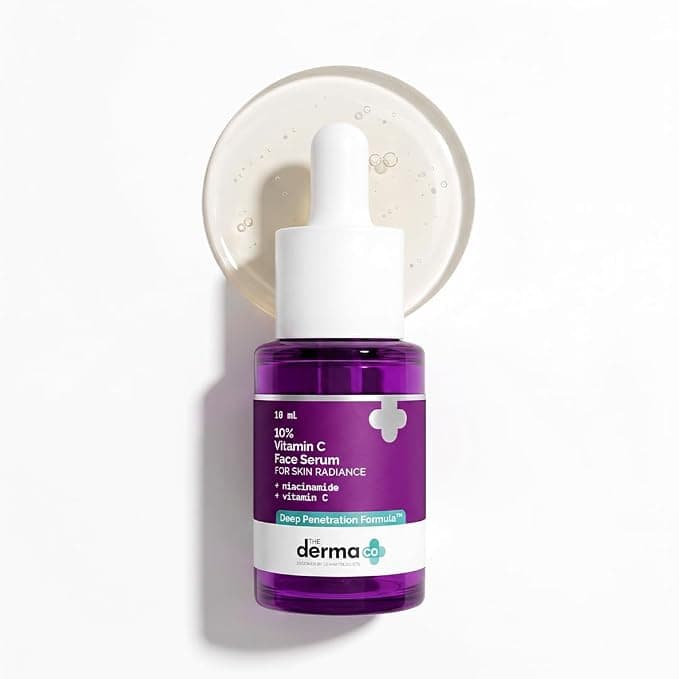
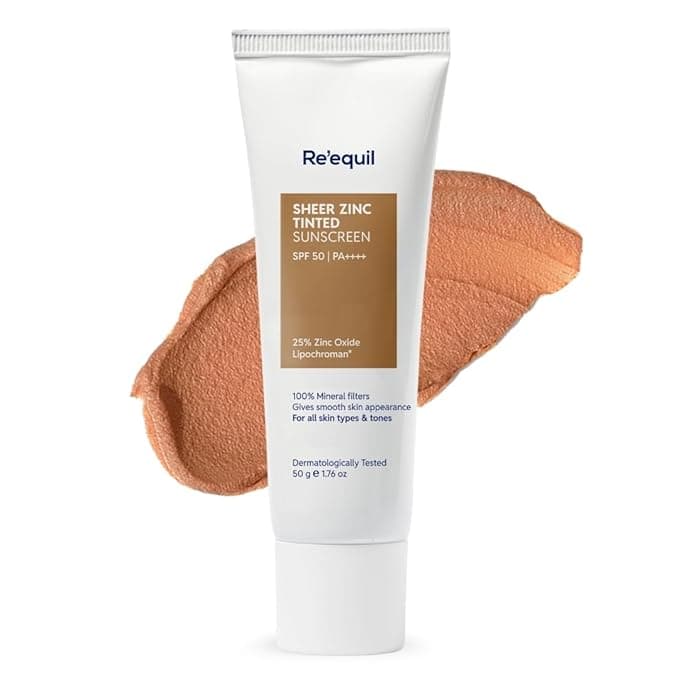
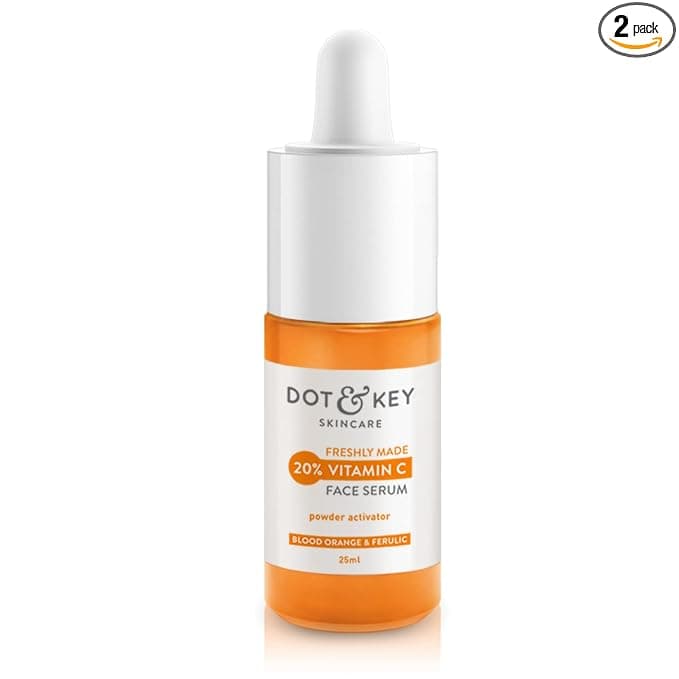
This combination pairs gentle nightly retinol treatment with the hydration and daily protection fine lines need to soften rather than deepen.

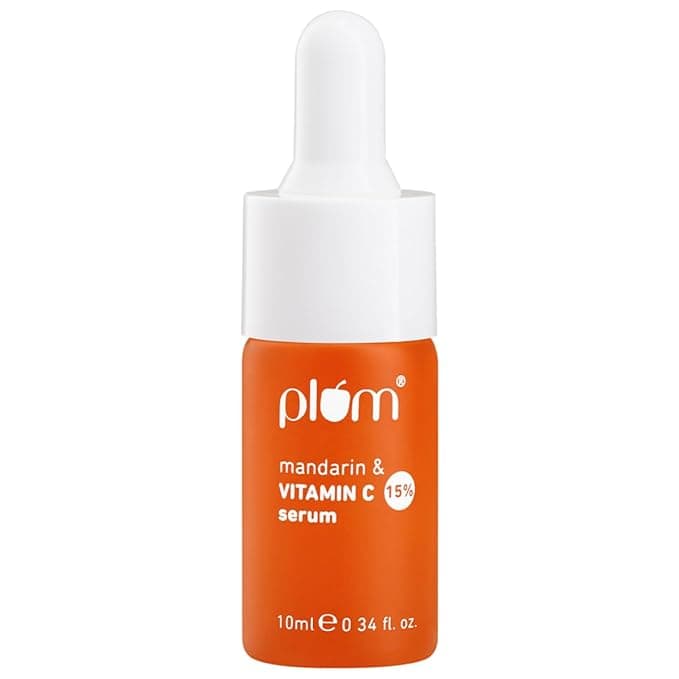
As an Amazon Associate, we earn from qualifying purchases. Links may earn a small commission at no extra cost to you.
Step-by-Step: Your Daily Routine
- 1Morning: Cleanse with a hydrating, non-stripping cleanser
- 2Morning: Apply an antioxidant serum (vitamin C or niacinamide) to protect against daytime environmental stress
- 3Morning: Layer a peptide-containing moisturizer, then finish with broad-spectrum SPF
- 4Evening: Cleanse thoroughly to remove sunscreen, makeup, and daily buildup
- 5Evening: Apply a gentle retinol to fully dry skin, 2-3 nights a week initially
- 6Evening: Follow with a rich, hydrating moisturizer to buffer and support overnight repair
- 7Weekly: Use a hydrating mask on non-retinol nights to plump and smooth fine surface lines
- 8Ongoing: Reassess retinol frequency monthly, increasing gradually as tolerance builds
Common Mistakes to Avoid
- Starting retinol at full strength nightly, leading to irritation and early quitting
- Focusing only on actives while neglecting basic hydration, which makes fine lines look worse
- Skipping SPF because you 'don't have wrinkles yet' — this is exactly when prevention matters most
- Expecting visible results within days — meaningful softening takes 8-12+ weeks
- Layering too many actives at once (retinol, acids, vitamin C together), increasing irritation risk
Expert Tips
Start earlier than you think
Many dermatologists recommend introducing a gentle retinol in your mid-to-late 20s as a preventive step, well before fine lines become a visible concern — it's far easier to preserve collagen than to rebuild it later.
The clients who age the most gracefully aren't the ones who started anti-aging skincare in their 40s — they're the ones who started hydrating consistently and wearing SPF daily in their 20s.
Final Verdict
Fine lines respond best to early, consistent, gentle intervention — retinol for collagen support, peptides and hyaluronic acid for hydration and plumpness, and SPF to protect it all. Start now rather than waiting for lines to deepen.
Conclusion
The earlier you address fine lines, the more effectively you can soften them and slow new ones from forming. Explore our full anti-aging guide for a more comprehensive routine, or subscribe to our newsletter for more preventive skincare tips.
Frequently Asked Questions
Sources
Related Products
As an Amazon Associate, we earn from qualifying purchases. Links may earn a small commission at no extra cost to you.
You Might Also Like
 Skincare
Anti-Aging Skincare Routine: A Complete Step-by-Step Guide
The definitive, research-backed guide to building a comprehensive anti-aging routine — retinoids, antioxidants, SPF, hydration, and the lifestyle habits that tie it all together.
 Skincare
Skincare Routine in Your 30s: A Complete Guide
The first fine lines, slower cell turnover, and busier lives — here's how to adjust your routine in your 30s without overhauling everything.
SkincareSkincare Routine for Mature Skin: A Complete Step-by-Step Guide
Fine lines, loss of firmness, and uneven tone — a routine built around retinol, vitamin C, and daily sunscreen for visibly aging skin.
Related Articles

Stay in the glow
Weekly routines and honest reviews, straight to your inbox.