Skincare Routine for Glowing Skin: A Complete Step-by-Step Guide
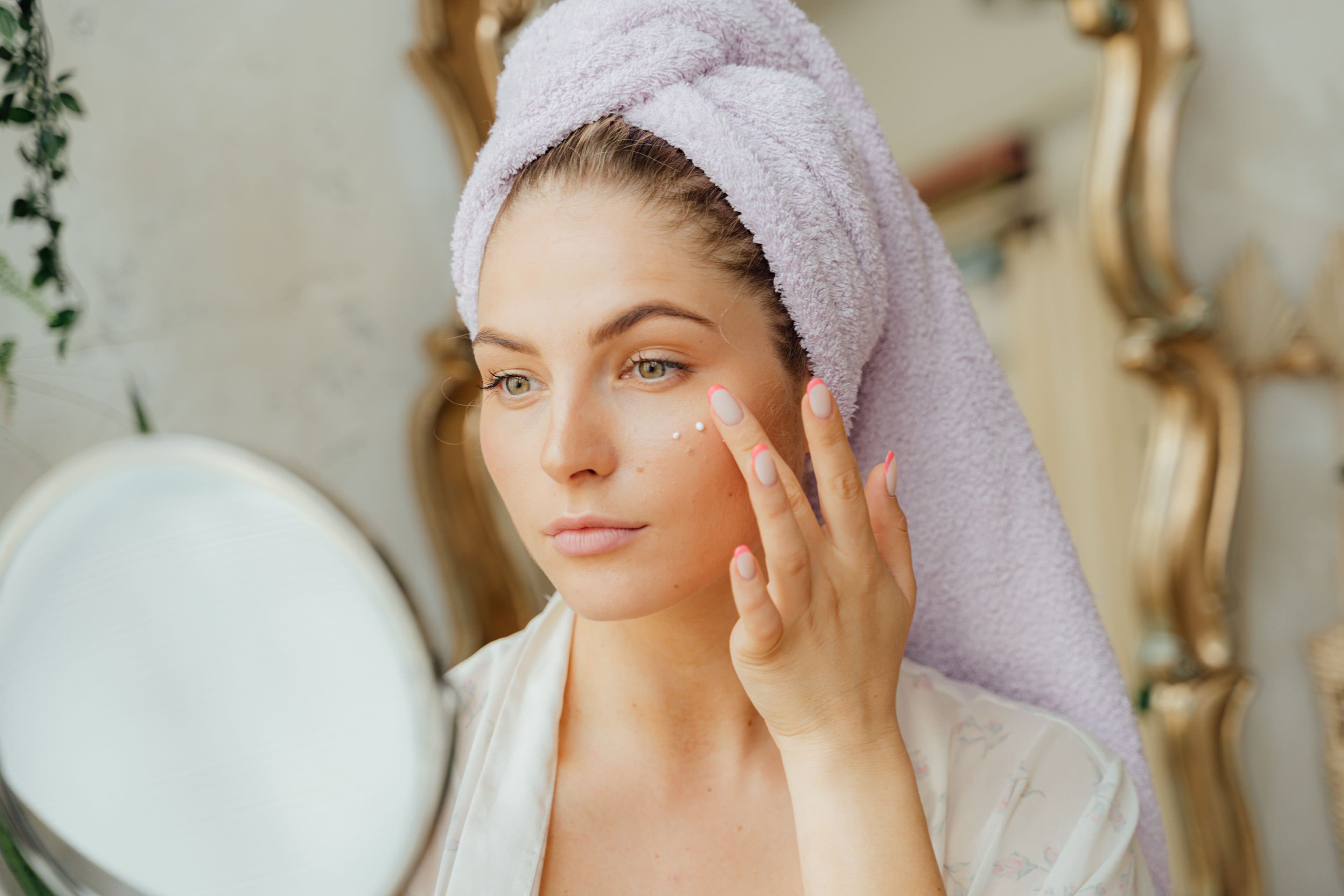
A dermatologist-informed, step-by-step routine to build genuine, lasting radiance — not a temporary highlighter-glow, but skin that reflects light because it's actually healthy.
Jump to a section
Key Takeaways
- Glowing skin is the visible result of a healthy, hydrated barrier and smooth surface texture — not a specific product category.
- Gentle, regular exfoliation (2-3x weekly) removes the dead skin cell buildup that makes skin look flat and light-absorbing rather than light-reflecting.
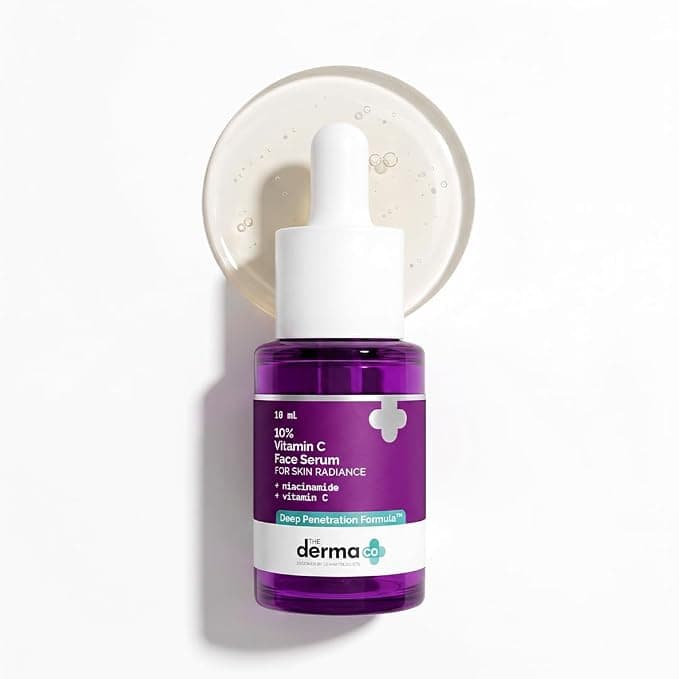
- Vitamin C in the morning and a humectant-rich moisturizer both day and night are the two most impactful additions for radiance.
- Sunscreen is the single most important step for maintaining glow long-term — unprotected skin dulls and pigments faster in Indian sun.
- Visible improvement typically takes 4-8 weeks of consistent use; there is no overnight glow routine that lasts.
Everyone wants 'glowing skin,' but the phrase gets thrown around so loosely that it's worth pausing on what it actually means dermatologically. Glow isn't a filter effect or a highlighter sheen — it's the way light reflects off a skin surface that is smooth, evenly hydrated, and free of excess dead cell buildup. When your skin barrier is intact and your cell turnover is functioning well, light bounces off evenly instead of scattering across rough, dry, or congested patches.
The good news is that this kind of glow is achievable for almost everyone, regardless of skin type, with a routine built around a few well-evidenced steps rather than a cabinet full of trending products. This guide walks through exactly what to do, morning and night, and why each step earns its place.
Quick Answer: The Glowing Skin Routine
In short: cleanse gently, exfoliate 2-3 times a week, layer a vitamin C serum in the morning, moisturize with a humectant-rich formula both morning and night, and never skip sunscreen. Here is the routine at a glance.
- AM: Gentle cleanser → Vitamin C serum → Moisturizer → Broad-spectrum SPF 30-50
- PM: Double cleanse (if wearing makeup/SPF) → Exfoliant (2-3x/week only) → Hydrating essence or serum → Night moisturizer
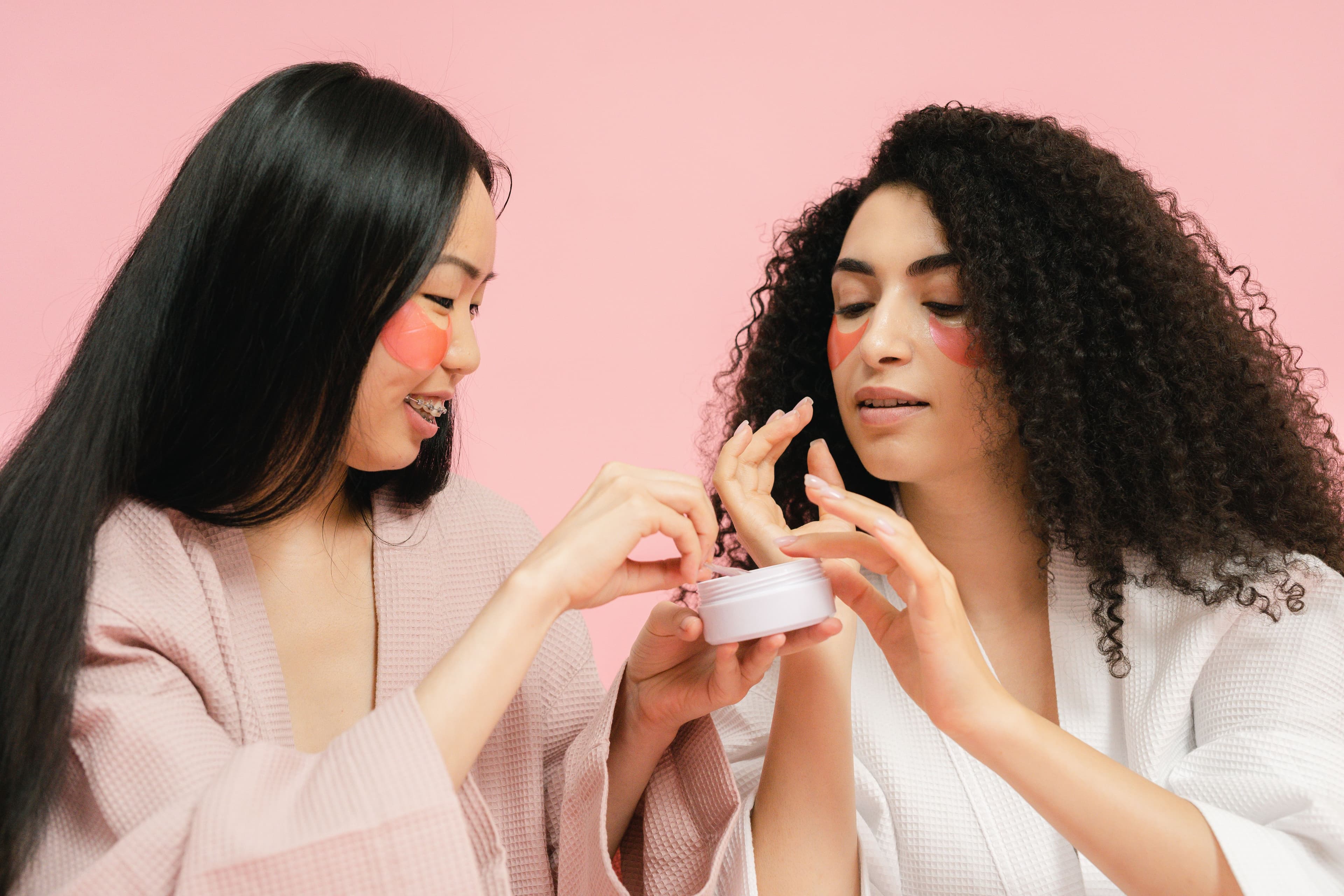
- Weekly: One gentle exfoliation night can be swapped for a hydrating sheet mask or rice water essence for extra glow
- Non-negotiable: SPF every single day, rain or shine, indoors or out
Who Should Read This Guide
- Anyone whose skin looks flat, tired, or 'lifeless' despite an otherwise decent routine
- People who rely on makeup highlighter to fake radiance they wish their skin had naturally
- Readers new to actives who want a safe, foundational glow routine before adding anything advanced
- Anyone living in a hot, humid, high-UV climate looking for routine adjustments suited to it
What Actually Causes Skin to Look Dull vs. Glowing
Three physiological factors determine whether skin looks dull or radiant: the rate of surface cell turnover, the water content of the outermost skin layer (the stratum corneum), and the presence of light-scattering irregularities like rough texture, flaking, or excess oil. Slow this turnover down, let the skin dehydrate, or let debris and dead cells accumulate, and light diffuses unevenly across the surface — which reads visually as 'dull.'
Glow Is Not the Same as Oiliness
A shiny, oily T-zone is not the same as a healthy glow — it's often a sign of an overcompensating oil gland reacting to a dehydrated or stripped barrier. True glow looks even and dewy, not greasy or patchy.
Key Ingredients for Radiance, Compared
| Ingredient | Primary Function | Best Time to Use | Who Should Be Cautious |
|---|---|---|---|
| Vitamin C | Antioxidant protection, brightening, mild pigmentation fading | Morning | Very reactive/sensitive skin — start with lower strength |
| Niacinamide | Barrier support, oil regulation, tone evening | AM or PM | Rarely an issue; well-tolerated by most |
| Hyaluronic Acid | Humectant — draws water into skin surface | AM and PM, on damp skin | None significant; layer under a moisturizer to lock it in |
| Gentle AHA/BHA exfoliant | Removes dead cell buildup, smooths texture | PM, 2-3x weekly | Active acne, eczema, or barrier damage — reduce frequency |
| Broad-spectrum SPF | Prevents UV-driven dullness and pigmentation | Every morning | Everyone needs this — no exceptions |
Notice that retinol isn't listed as a core 'glow' ingredient here, even though it's excellent for anti-aging and texture over the long term. That's because retinol works on a much longer timeline and can cause initial dryness or peeling — great for skin renewal, but not the fastest or gentlest route to visible glow if that's your primary near-term goal.
Building the Glow: Exfoliation and Hydration Together
The two steps that move the needle fastest on glow are gentle exfoliation and consistent hydration — and they work best in tandem. Exfoliation clears the dead cell layer that scatters light unevenly; hydration then plumps the fresher skin underneath so it reflects light smoothly rather than looking taut or flaky.
Try the 'Glass Skin' Layering Method
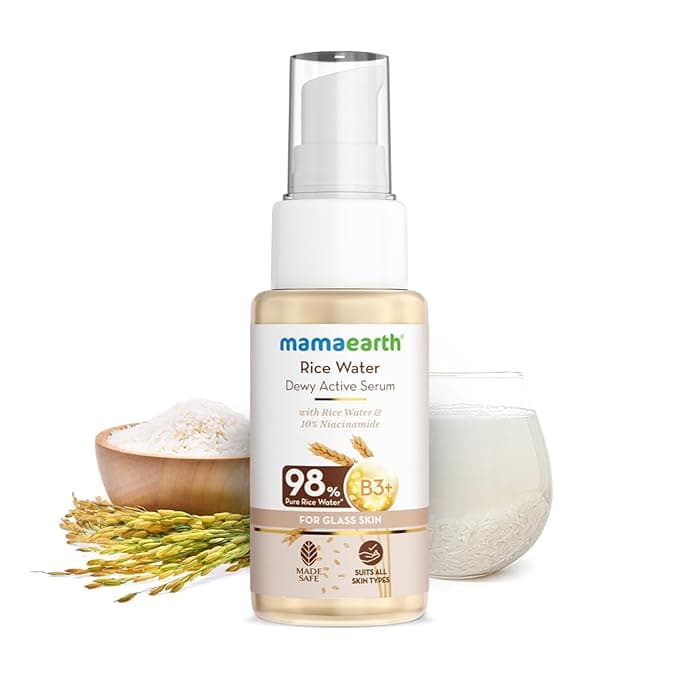
Popularized in Korean skincare, this technique applies a thin, hydrating essence in several light layers rather than one heavy moisturizer. A rice water or niacinamide-based essence patted in 2-3 layers before your regular moisturizer builds a plumper, more reflective surface than a single thick application.
For most people, this means an every-other-day or three-times-a-week exfoliation schedule using a mild chemical exfoliant (lactic acid or a low-percentage BHA), paired with a moisturizer that contains both a humectant (like hyaluronic acid or glycerin) and an occlusive to seal that hydration in.
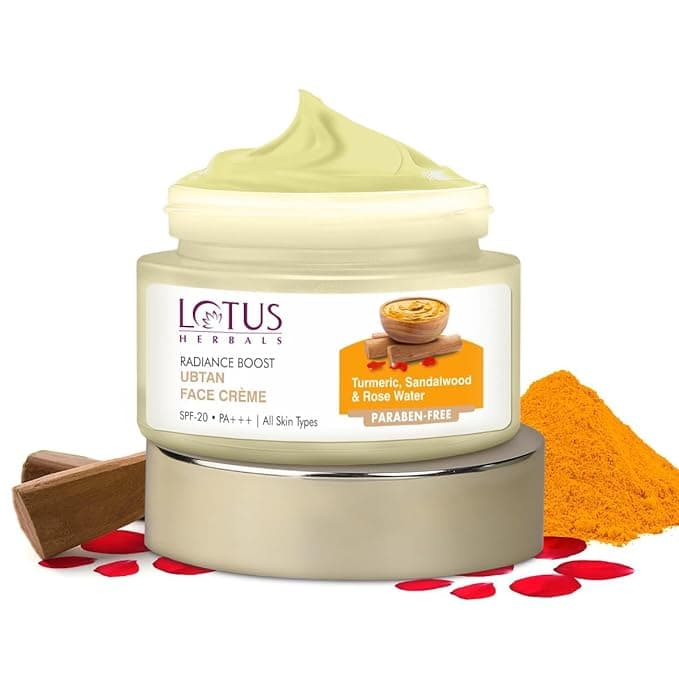
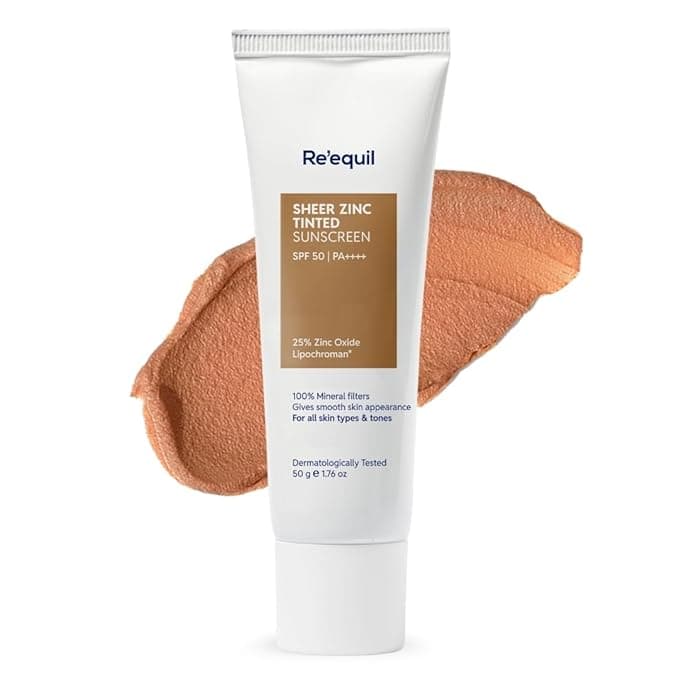
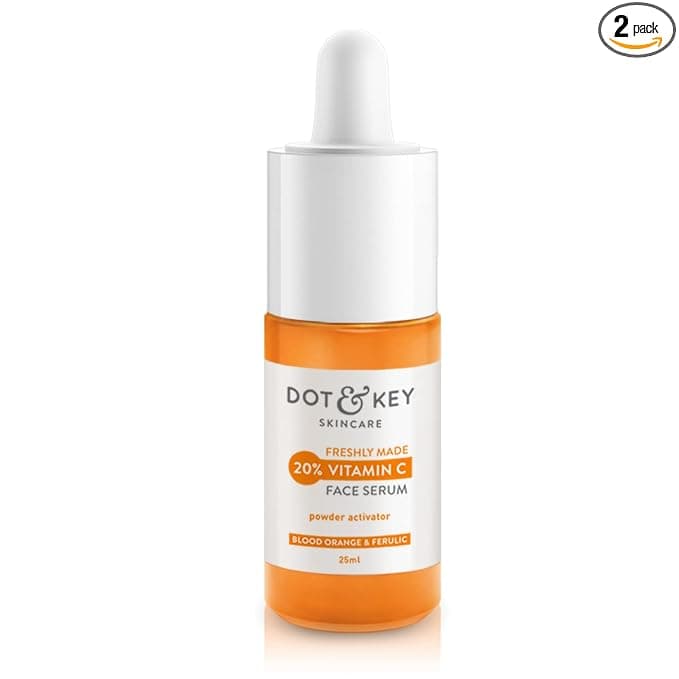
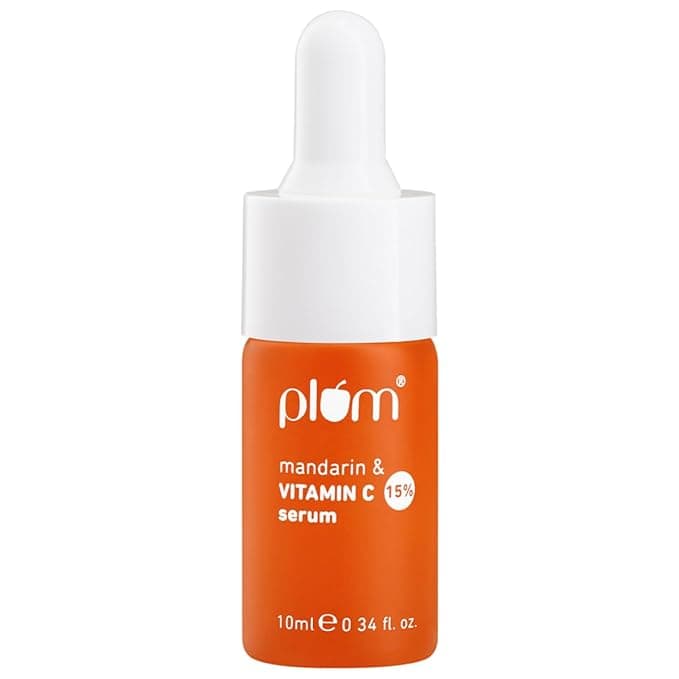
Here are a few products that fit directly into a glow-focused routine, spanning vitamin C, hydrating essences, and Ayurvedic-style radiance boosters.
As an Amazon Associate, we earn from qualifying purchases. Links may earn a small commission at no extra cost to you.
Step-by-Step: Your Daily Glow Routine
- 1Morning: Rinse with a gentle, low-pH cleanser — no need to over-cleanse, a splash of water and mild cleanser is enough.
- 2Apply a vitamin C serum to damp skin and let it absorb for 1-2 minutes.
- 3Layer a lightweight, humectant-rich moisturizer to seal in the serum.
- 4Finish with a broad-spectrum SPF 30-50, applied generously (about a quarter-teaspoon for the face alone).
- 5Evening: Double cleanse if you wore sunscreen or makeup — oil cleanser first, then a gentle foaming or gel cleanser.
- 62-3 nights a week, apply a gentle chemical exfoliant instead of your regular serum; skip actives on other nights.
- 7Follow with a hydrating essence or serum, patted in while skin is still slightly damp.
- 8Seal with a richer night moisturizer to support overnight barrier repair.
Common Mistakes to Avoid
- Over-exfoliating in pursuit of faster glow — this damages the barrier and causes redness, not radiance
- Skipping sunscreen on cloudy or indoor days, letting UV-driven dullness creep back in
- Piling on too many active ingredients at once instead of building the routine gradually
- Choosing heavy, pore-clogging moisturizers that leave a greasy film rather than a dewy finish
- Expecting visible results within days — genuine glow takes weeks of consistency to show
Expert Tips
Don't Forget the Inside-Out Factors
Sleep quality, hydration levels, and diet genuinely affect how skin looks. Chronic sleep deprivation and dehydration both reduce microcirculation to the skin surface, which shows up as a duller complexion no topical product can fully compensate for.
Glow is really just a proxy for skin health. Chasing a 'glow routine' directly usually misses the point: fix the barrier, hydrate consistently, and protect from the sun — the radiance follows as a byproduct, not the other way around.
Final Verdict
There is no single glow-in-a-bottle product — radiance is the sum of a well-hydrated, gently exfoliated, sun-protected barrier working properly. Build the routine above, give it 6-8 weeks, and resist the urge to add extra actives before that window is up.
Conclusion
Glowing skin is less about finding a secret ingredient and more about consistent, layered care that respects your skin barrier. Start with the routine above, adjust frequency based on how your skin responds, and give it time. For more routines tailored to specific skin concerns, explore our other skincare guides, and subscribe to our newsletter for new research-backed content delivered straight to your inbox.
Frequently Asked Questions
Sources
Related Products
As an Amazon Associate, we earn from qualifying purchases. Links may earn a small commission at no extra cost to you.
You Might Also Like
 Skincare
Anti-Aging Skincare Routine: A Complete Step-by-Step Guide
The definitive, research-backed guide to building a comprehensive anti-aging routine — retinoids, antioxidants, SPF, hydration, and the lifestyle habits that tie it all together.
 Skincare
Summer Skincare Routine for Indian Skin (Dermatologist-Approved)
A dermatologist-approved summer skincare routine built for Indian heat and humidity — lightweight layers, sweat-proof sunscreen, and oil control that won't strip your skin.
 Skincare
Bridal Skincare Routine: A Timeline for Wedding-Ready Glow
A dermatologist-informed bridal skincare timeline — what to start 3 months, 6 weeks, and 1 week before your wedding for a genuine, camera-ready glow.
Related Articles
Stay in the glow
Weekly routines and honest reviews, straight to your inbox.