Skincare Routine for Pimples: A Complete Step-by-Step Guide
A focused routine for tackling active, individual breakouts fast — from spot treatments to overnight patches, without disrupting the rest of your skin.
Jump to a section
Key Takeaways
- A pimple is an acute, localized breakout — the goal is fast-acting spot treatment, not a full-face overhaul.
- Benzoyl peroxide and hydrocolloid patches are the fastest ways to shrink an inflamed pimple overnight.
- Never pop or squeeze a pimple; it prolongs healing and raises the risk of scarring and dark marks.
- Keep the rest of your routine simple and gentle while treating active pimples to avoid additional irritation.
- Ice and spot treatments reduce swelling within 24-48 hours, but full resolution typically takes 3-7 days.
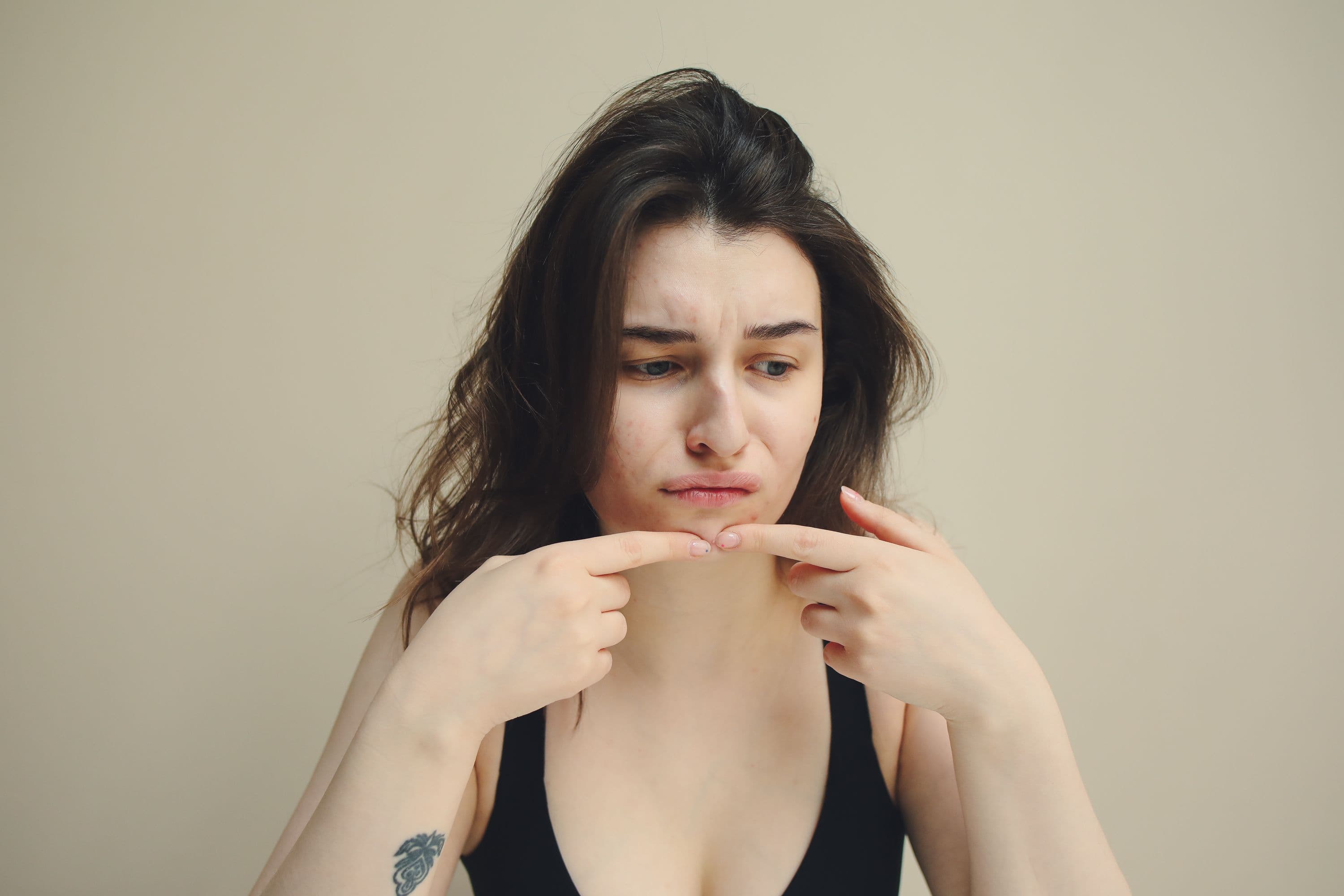
That one angry, red bump that shows up right before an important event is different from long-term acne. Individual pimples are acute, localized breakouts — usually the result of one clogged pore trapping oil and bacteria — and they respond best to fast, targeted intervention rather than an entire routine overhaul.
This guide focuses specifically on how to treat a single pimple or a small cluster quickly, calm the inflammation, and protect the surrounding skin so it doesn't turn into a lingering dark mark. If you're dealing with widespread, recurring breakouts instead, our full acne routine guide covers that longer-term approach.
Quick Answer: How to Treat a Pimple Fast
- Immediately: Apply a cold compress for 5-10 minutes to reduce swelling and redness
- Spot treat: Dab a small amount of benzoyl peroxide or salicylic acid gel directly on the pimple, not the whole face
- Overnight: Cover with a hydrocolloid pimple patch to absorb fluid and prevent picking
- AM: Gentle cleanser, lightweight moisturizer, and SPF as normal — avoid scrubbing the area
- PM: Continue spot treatment nightly until the pimple flattens, usually 3-5 days
- Never: Pop, squeeze, or pick at the pimple, even if it looks 'ready'
Who Should Read This Guide
- Anyone dealing with an occasional single pimple rather than widespread, chronic breakouts
- People who need a fast fix before an event, interview, or photoshoot
- Those prone to picking or popping pimples and looking for a better alternative
- Anyone confused about whether to spot treat or overhaul their entire skincare routine
What Actually Happens Inside a Pimple
A pimple forms when a single pore becomes blocked with oil, dead skin cells, and bacteria, triggering a localized immune response that causes the redness, swelling, and sometimes pus you see on the surface. Because it's a contained, acute inflammatory event, targeted treatment can often resolve it within days, unlike chronic acne which requires months of a sustained routine.
Resist the urge to pop it
Popping a pimple pushes bacteria and inflammation deeper into the skin, which can turn a small pimple into a larger, more painful cyst and significantly increases the risk of a permanent scar or dark mark.
| Treatment | Speed | Best for | Note |
|---|---|---|---|
| Benzoyl peroxide gel (2.5-5%) | Fast, 24-48 hours | Inflamed, red pimples with pus | Can bleach fabric, apply carefully |
| Salicylic acid spot gel | Moderate, 2-4 days | Whiteheads and clogged pores | Gentle enough for daily use |
| Hydrocolloid patch | Overnight | Pimples that are already open or oozing | Also prevents picking |
| Ice/cold compress | Immediate, temporary | Swelling and redness before an event | Use for 5-10 minutes at a time |
Why Less Is More While Treating a Pimple
It's tempting to layer on every acne product you own when a pimple appears, but this often backfires. Overloading the skin with multiple actives at once can cause irritation around the pimple, making it redder and slower to heal. Instead, keep your regular routine simple and gentle, and reserve active ingredients for the spot itself.
Spot treat, don't blanket treat
Apply benzoyl peroxide or salicylic acid only to the pimple and a small ring of skin around it, not your entire face, to avoid unnecessary dryness elsewhere.
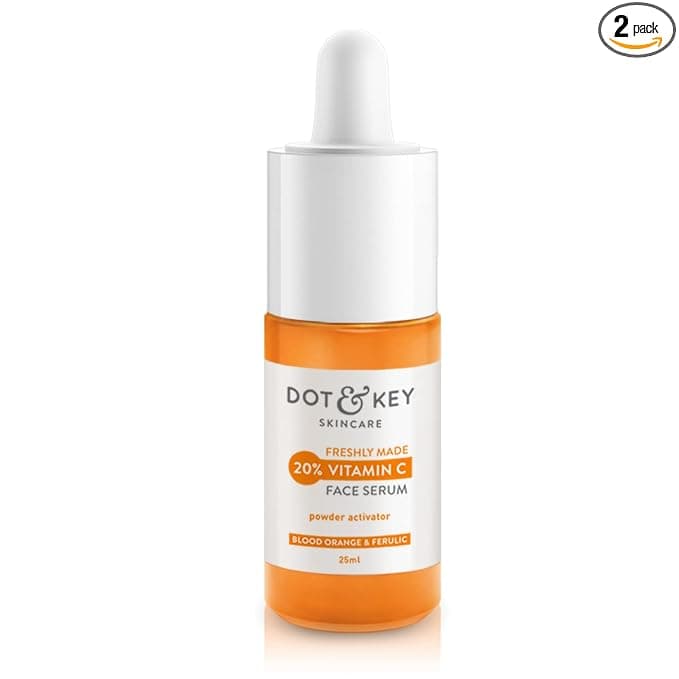
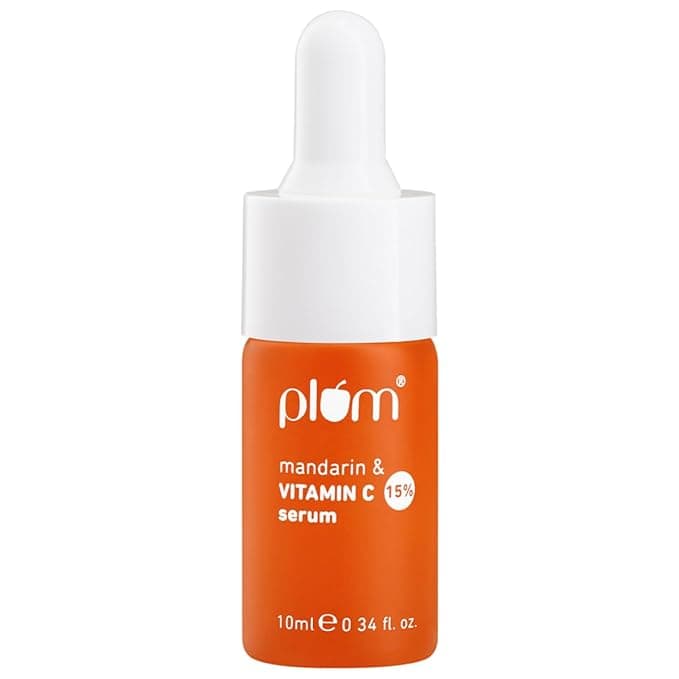
A few targeted products make spot treatment far more effective without overwhelming the rest of your skin.
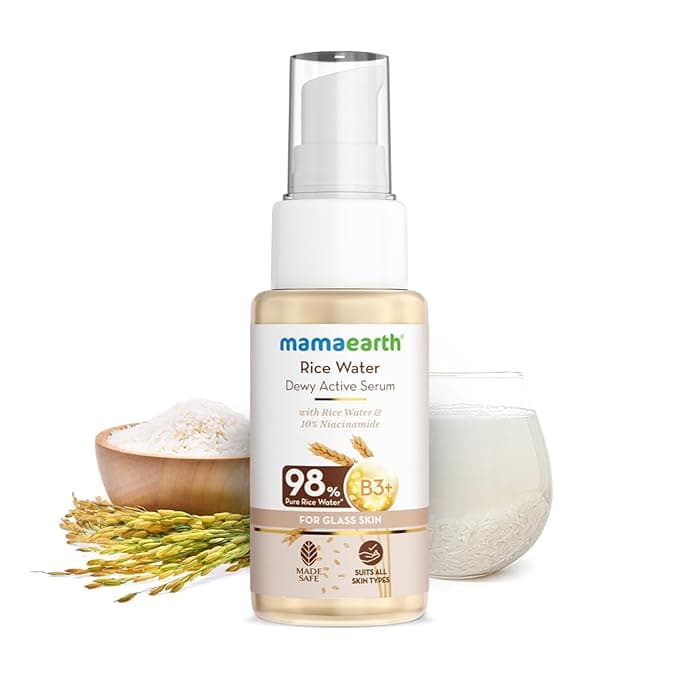
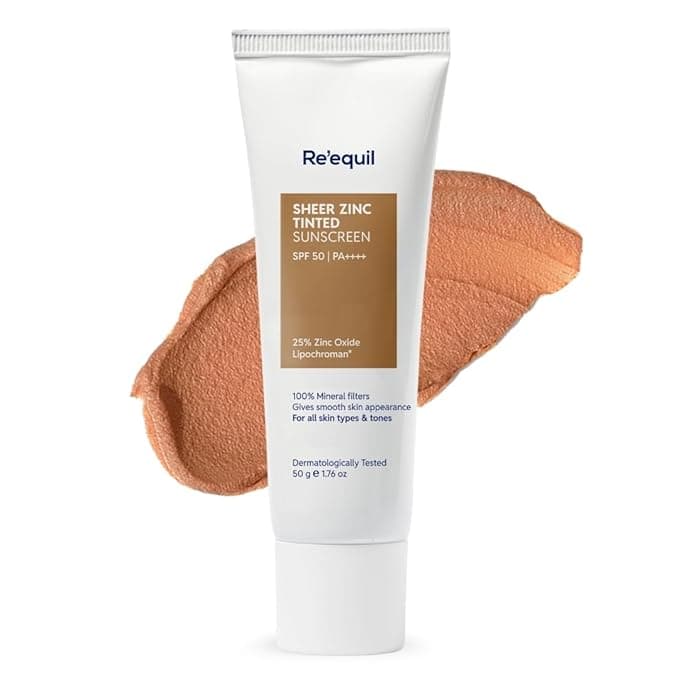

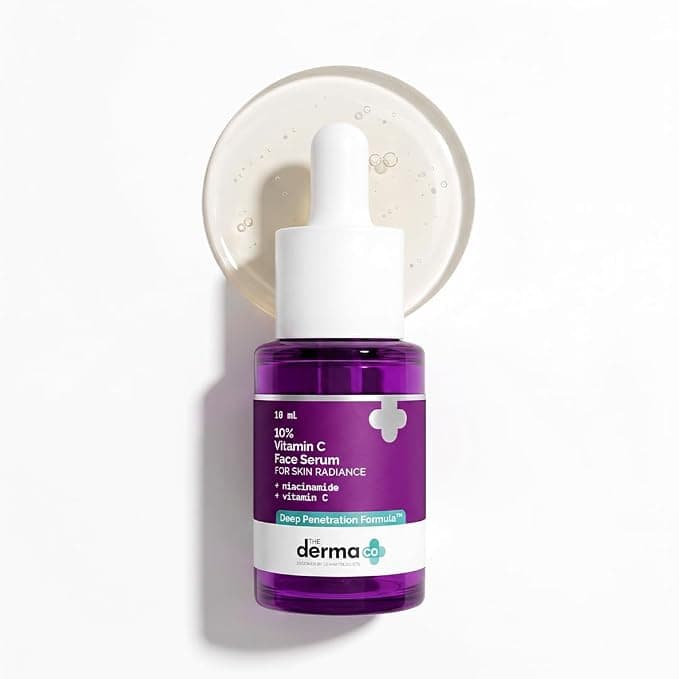
As an Amazon Associate, we earn from qualifying purchases. Links may earn a small commission at no extra cost to you.
Step-by-Step: Your Daily Routine
- 1Morning: Cleanse gently with lukewarm water, avoiding the urge to scrub the pimple
- 2Apply a lightweight, oil-free moisturizer to the full face
- 3Apply broad-spectrum SPF 30+ to protect the healing area from pigmentation
- 4If needed, use a tinted SPF or concealer that won't clog the pore further
- 5Evening: Cleanse thoroughly to remove sunscreen and any makeup
- 6Apply a cold compress for a few minutes if the area feels swollen
- 7Spot treat with benzoyl peroxide or salicylic acid directly on the pimple
- 8Cover with a hydrocolloid patch overnight if the pimple has come to a head
Common Mistakes to Avoid
- Popping or squeezing the pimple, which prolongs healing and risks scarring
- Applying toothpaste or other home remedies not formulated for skin, which can burn or irritate the area
- Switching your entire skincare routine over one pimple, which can destabilize skin that was otherwise fine
- Skipping sunscreen on the healing spot, which allows it to darken into a lingering mark
- Using a hydrocolloid patch on a pimple that hasn't yet formed a head, which is less effective at that stage
Expert Tips
The two-step overnight fix
Apply a thin layer of benzoyl peroxide, let it dry for a few minutes, then place a hydrocolloid patch over it. The patch keeps the treatment in place and absorbs any fluid overnight.
Patience with a single pimple almost always beats intervention — resist touching it, spot treat consistently for a few nights, and it usually resolves faster than any home remedy would.
Final Verdict
A single pimple doesn't call for a dramatic routine change. Cold compress for swelling, a targeted spot treatment, a hydrocolloid patch overnight, and consistent sunscreen the next day will resolve most pimples within three to five days without disturbing the rest of your skin barrier.
Conclusion
Occasional pimples are a normal part of life, and treating them quickly and gently is far more effective than reaching for harsh remedies. If breakouts are becoming frequent rather than occasional, take a look at our complete acne routine guide for a longer-term approach, and subscribe to our newsletter for more quick, dermatologist-informed fixes.
Frequently Asked Questions
Sources
Related Products
As an Amazon Associate, we earn from qualifying purchases. Links may earn a small commission at no extra cost to you.
You Might Also Like
 Skincare
Skincare Routine for Acne-Prone Skin: A Complete Step-by-Step Guide
Breakouts, clogged pores, and post-acne marks — a routine built around proven acne-fighting ingredients, without over-drying or over-treating your skin.
 Skincare
Teen Girls Skincare Routine: A Simple Guide for Puberty-Prone Skin
Hormonal breakouts, oily patches, and social pressure to try every trending product — a simple, dermatologist-informed routine built for teen girls.
 Skincare
Teen Boys Skincare Routine: A Simple Guide for Puberty-Prone Skin
Puberty brings more oil, more breakouts, and often the first razor — here's a simple, no-fuss skincare routine built specifically for teen boys.
Related Articles
Stay in the glow
Weekly routines and honest reviews, straight to your inbox.