Skincare Routine for Seniors (60+): A Gentle, Practical Guide
Thinner skin, slower healing, and a higher risk of skin conditions — a gentle, practical skincare routine built for seniors aged 60 and above.
Jump to a section
Key Takeaways
- Skin in your 60s and beyond is significantly thinner, heals more slowly, and bruises more easily — gentleness matters more than ever.
- Cumulative lifetime sun exposure makes skin cancer risk highest at this stage — daily sunscreen and regular skin checks are essential.
- Rich, barrier-repair moisturizers with ceramides and fatty acids should be the foundation of a senior skincare routine.
- Strong actives like retinol can still be used, typically at a lower strength or frequency, adjusted for thinner, more fragile skin.
- Any new spot, sore that won't heal, or change in an existing mole should be checked by a dermatologist promptly, not dismissed as normal aging.
Skincare advice tends to thin out considerably once you reach 60 and beyond, as though skin stops needing attention past a certain age. In reality, skin at this stage has specific, well-understood needs — it's significantly thinner, slower to heal, and carries the highest cumulative sun exposure of any point in life, all of which call for a genuinely gentle, protective approach.
This guide covers a practical, comfortable routine for seniors, along with the skin changes worth having checked by a dermatologist rather than assumed to simply be part of getting older.
Quick Answer: The Seniors' Routine
- AM: Gentle cream cleanser, rich ceramide moisturizer, SPF 30+
- PM: Same cleanser, a lower-strength retinol if tolerated (optional), rich night moisturizer or facial oil
- Ongoing: Regular skin checks — any new spot, sore, or changing mole should be seen by a dermatologist promptly
- Priority: gentleness and consistency over trying new or strong products
Who Should Read This Guide
- Anyone aged 60 and above building or adjusting a comfortable, practical skincare routine
- Caregivers helping an older adult with daily skincare
- Readers wondering whether it's 'too late' to start a routine at this age (it isn't)
How Skin Changes After 60
By your 60s, skin has typically lost a significant amount of the collagen and fat padding it had in earlier decades, making it noticeably thinner, more prone to bruising, and slower to heal from even minor cuts or irritation. Cumulative lifetime sun exposure also means this is the stage of life with the highest skin cancer risk, making sun protection and regular skin checks especially important.
Don't Dismiss New Spots or Changing Moles as 'Just Aging'
Any new growth, a sore that doesn't heal within a few weeks, or a mole that changes in size, shape, or color should be checked by a dermatologist promptly. Skin cancer risk is highest at this life stage, and early detection matters significantly.
Step 1: A Genuinely Gentle Cleanser
A cream or hydrating cleanser, used with lukewarm water, respects skin that's thinner and slower to recover from stripping than it once was. Avoid hot water and vigorous rubbing, both of which can be more irritating — and even cause micro-tears — on more fragile, aged skin.
Step 2: Rich, Barrier-Repair Moisturizer as the Foundation
A moisturizer built around ceramides and fatty acids should be the core of a senior skincare routine, applied generously and often. Supporting the skin barrier directly helps with the slower healing and increased fragility common at this stage.
| Priority | Why It Matters |
|---|---|
| Rich, ceramide-based moisturizer | Supports slower-healing, more fragile skin |
| Daily broad-spectrum SPF 30+ | Highest cumulative skin cancer risk at this life stage |
| Gentle cleansing, lukewarm water | Prevents unnecessary irritation and micro-tears |
| Regular skin checks | Early detection of skin cancer or other concerns |
Step 3: Retinol Is Still an Option, If Tolerated
It's a common misconception that retinol is off-limits for older skin. Many seniors continue to use it comfortably at a lower strength or reduced frequency, still supporting collagen and cell turnover. If skin feels too fragile or reactive, it's fine to skip it and focus entirely on moisturizing and protection instead.
Step 4: Sun Protection, Every Single Day
With the highest cumulative sun exposure of any life stage behind you, daily sunscreen remains essential — not just for appearance, but because skin cancer risk is genuinely highest in your 60s and beyond.
A gentle, comfortable lineup suited to seniors' skin needs.
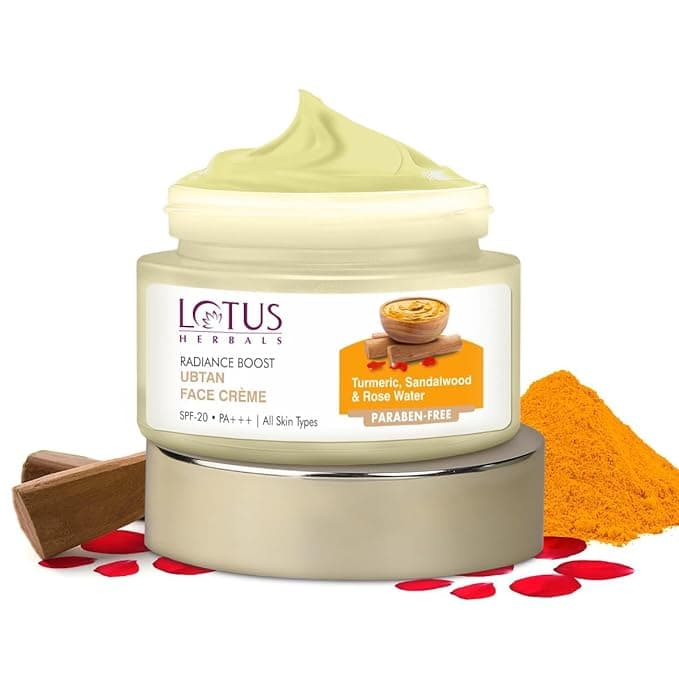
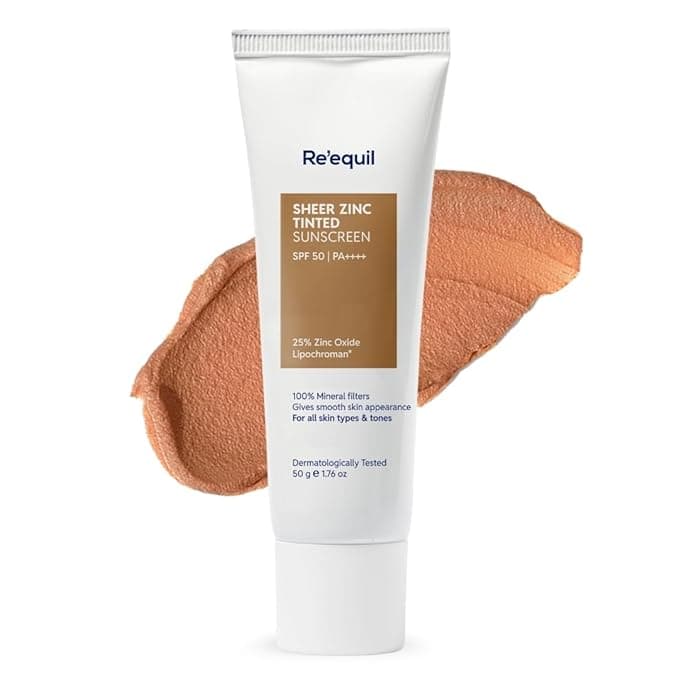
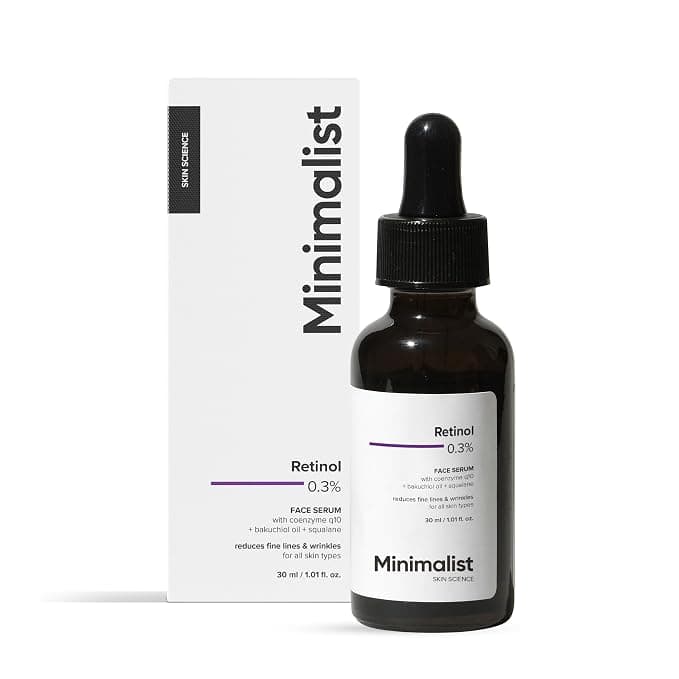
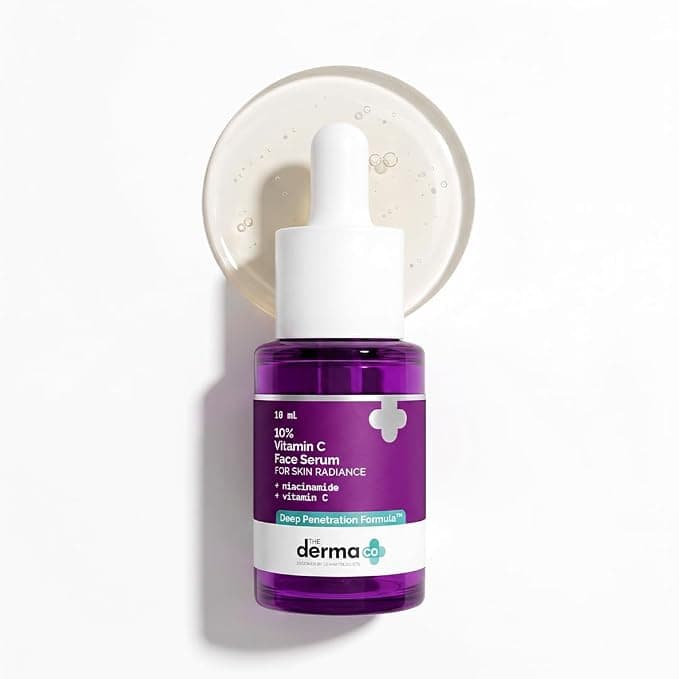
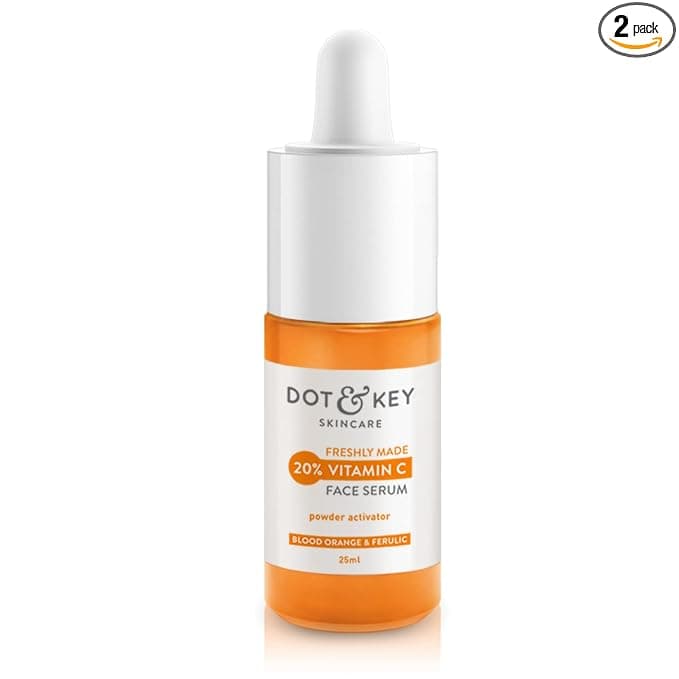
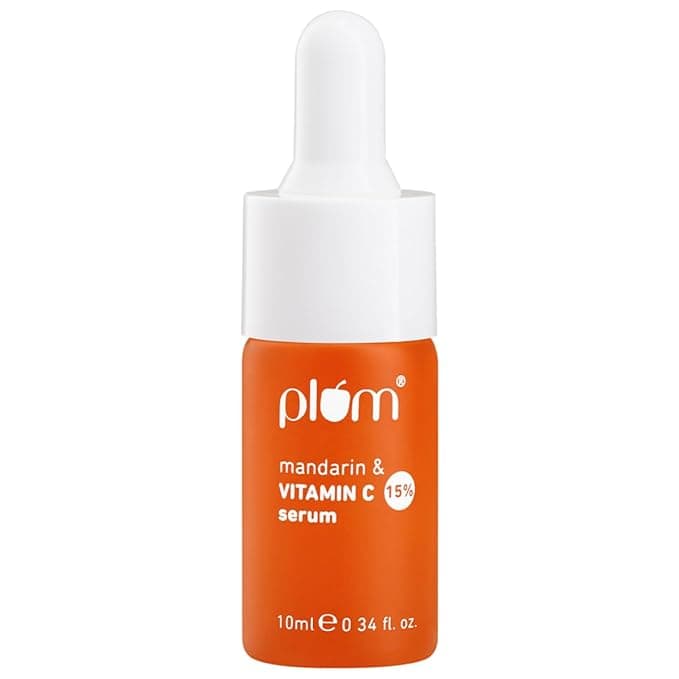
As an Amazon Associate, we earn from qualifying purchases. Links may earn a small commission at no extra cost to you.
Step-by-Step: A Daily Routine for Seniors
- 1Morning: Cleanse with a gentle cream cleanser and lukewarm water.
- 2Moisturize generously with a rich, ceramide-based formula.
- 3Finish with broad-spectrum SPF 30+.
- 4Night: Cleanse again, gently.
- 5If tolerated, apply a lower-strength retinol a few nights a week.
- 6Finish with a rich night moisturizer or facial oil.
- 7Check skin regularly for any new spots, sores, or changes to existing moles, and see a dermatologist promptly if noticed.
Common Mistakes for Seniors' Skincare
- Assuming skincare 'doesn't matter anymore' at this age and skipping a routine entirely.
- Dismissing new spots, sores, or changing moles as normal aging instead of having them checked promptly.
- Using hot water or vigorous scrubbing on skin that's thinner and more prone to irritation.
- Avoiding retinol entirely out of assumption rather than trying a lower strength first.
- Skipping sunscreen, despite this being the life stage with the highest cumulative skin cancer risk.
Expert Tips
Do a Monthly Skin Self-Check
Set a simple monthly reminder to check your skin for any new spots or changes to existing moles, using a mirror or asking a family member to help check hard-to-see areas like your back.
It's never too late to start caring for your skin properly — and at this age, the payoff isn't just appearance, it's catching something serious early.
Final Verdict
A gentle, consistent routine — rich moisturizer, daily sunscreen, and careful attention to new spots or changes — covers what matters most for skin in your 60s and beyond. Retinol remains an option if comfortable, but isn't essential.
Conclusion
Skin at 60 and beyond deserves gentle, consistent care and vigilant attention to changes, not less attention than earlier decades. Keep the routine simple and protective, and don't hesitate to see a dermatologist about anything new or changing. If this guide helped, explore more of our skincare routines and subscribe to the Glow by Kudozz newsletter for weekly, no-fluff beauty advice.
Frequently Asked Questions
Sources
Related Products
As an Amazon Associate, we earn from qualifying purchases. Links may earn a small commission at no extra cost to you.
You Might Also Like
SkincareAnti-Aging Skincare Routine: A Complete Step-by-Step Guide
The definitive, research-backed guide to building a comprehensive anti-aging routine — retinoids, antioxidants, SPF, hydration, and the lifestyle habits that tie it all together.
 Skincare
Skincare Routine for Office Workers: Fighting AC Dryness & Screen Fatigue
A practical skincare routine for office workers dealing with AC dryness, blue-light exposure, and long desk hours — built around quick steps that survive a 9-to-6 workday.
 Skincare
Morning vs Night Skincare Routine: What's the Difference?
Your skin has different jobs at 8am and 11pm — and your routine should reflect that. Here's exactly what to use when, and why, for Indian skin and weather.
Related Articles

Stay in the glow
Weekly routines and honest reviews, straight to your inbox.