Skincare Routine for Tan Removal: A Complete Step-by-Step Guide
An exfoliation, brightening, and sun-protection routine to reverse tanning and restore your natural skin tone, built for India's intense sun and humidity.
Jump to a section
Key Takeaways
- A tan is caused by UV-triggered melanin production as a protective response, and it naturally fades as skin cells turn over.
- Gentle exfoliation speeds up the removal of tanned surface cells, while brightening actives help even out tone underneath.
- Sunscreen isn't optional during tan removal — without it, you undo your progress every time you step outside.
- Natural ingredients like ubtan (turmeric and gram flour) have long been used in Indian households for tan removal and pair well with modern actives.
- Most tans fade within 2-4 weeks with consistent care, though deep or repeated sun exposure tans can take longer.
Between the intense summer sun, long commutes on two-wheelers, and humid coastal air, tanning is one of the most common skin concerns across India. Unlike hyperpigmentation, which involves stubborn localized melanin build-up, a tan is generally more superficial and temporary, which means it responds well to a consistent routine focused on exfoliation, brightening, and rigorous sun protection.
This guide walks through why skin tans in the first place, the exfoliating and brightening ingredients that speed up its reversal, and how traditional Ayurvedic ingredients like turmeric and gram flour can work alongside modern actives for faster, more even results.
Quick Answer: Your Tan Removal Routine at a Glance
- AM: Gentle cleanser → vitamin C serum → lightweight moisturizer → broad-spectrum SPF 50, reapplied every 2-3 hours
- PM: Cleanser → ubtan or turmeric-based brightening treatment → moisturizer
- 2-3x/week: Gentle exfoliation with a mild scrub or lactic acid to remove tanned surface cells
- Weekly: A hydrating gram flour and turmeric face pack for extra brightening
- Daily, without fail: Sunscreen and physical protection like hats or scarves during peak sun hours
Who Should Read This Guide
- Anyone who's noticed visibly darker skin on the face, neck, or arms after a beach trip, outdoor event, or daily commute
- People with a visible tan line or patchy unevenness between sun-exposed and covered areas
- Those looking for a routine that combines effective modern actives with traditional Ayurvedic ingredients
- Anyone wanting to prevent tanning from recurring after they've successfully reversed it
Why Skin Tans and How to Reverse It
Tanning occurs when UV radiation triggers melanocytes to produce extra melanin as a protective mechanism against further UV damage. This melanin sits in the upper layers of skin, which is why a tan typically fades naturally over several weeks as those cells shed through the skin's normal turnover cycle. Speeding up that turnover through exfoliation, combined with brightening actives that reduce further melanin production, is the most effective way to reverse a tan faster.
In India's climate, repeated daily sun exposure means tanning can become a constant, low-level cycle rather than a one-time event, which is why sun protection has to be as much a part of the routine as the treatment itself.
Tan vs sun damage
A surface tan generally fades within a few weeks with the right routine. If discoloration persists for months or appears as distinct dark patches rather than an even tan, you may be dealing with sun-induced hyperpigmentation, which needs a longer-term approach.
| Ingredient | Function | Format | Frequency |
|---|---|---|---|
| Vitamin C | Brightens, antioxidant, inhibits further melanin production | Serum | Daily, AM |
| Turmeric (curcumin) | Traditional brightening, anti-inflammatory, evens tone | Cream or face pack | Daily to a few times weekly |
| Gram flour (besan) | Gentle exfoliation, oil absorption, traditional ubtan base | Face pack | 1-2x weekly |
| Lactic acid | Chemical exfoliation, removes tanned surface cells | Serum or toner | 2-3x weekly |
| Niacinamide | Evens tone, reduces melanin transfer | Serum | Daily, AM or PM |
Combining Modern Actives with Traditional Ubtan
Ubtan, the traditional Indian blend of turmeric, gram flour, and sandalwood, has been used for generations to brighten skin and gently exfoliate away tan, and modern dermatology now recognizes several of its ingredients, particularly turmeric's curcumin, for genuine anti-inflammatory and brightening properties. Pairing an ubtan-based treatment with a vitamin C serum and daily SPF creates a routine that respects both traditional wisdom and evidence-based skincare.
Don't over-exfoliate tanned skin
Tanned skin can be more sun-sensitized and occasionally drier than usual. Limit scrubs and acids to two or three times a week, and always follow with a hydrating moisturizer to avoid irritation.
A routine combining a brightening turmeric cream, a vitamin C serum, and daily sunscreen tackles tan removal from every angle.
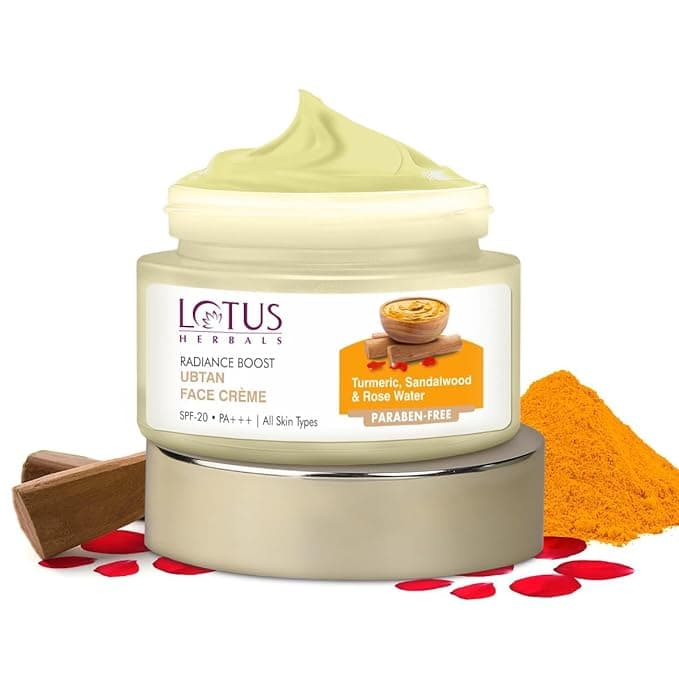
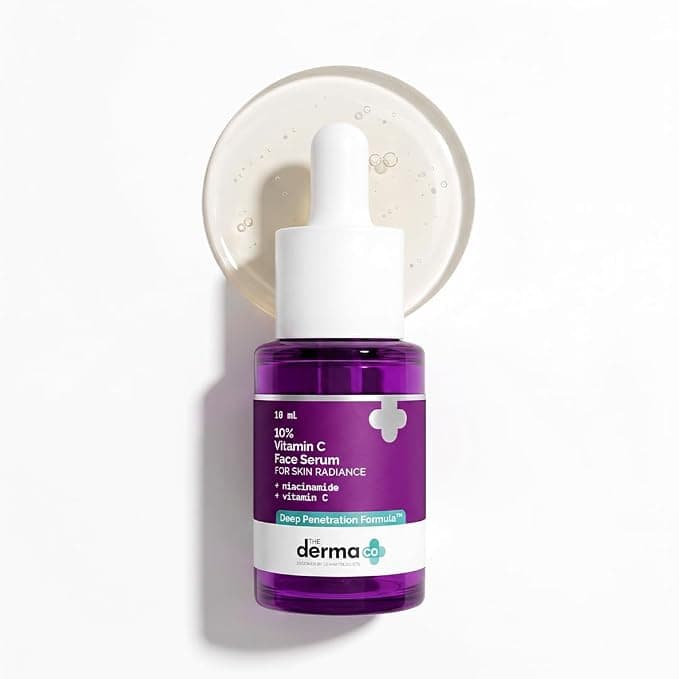
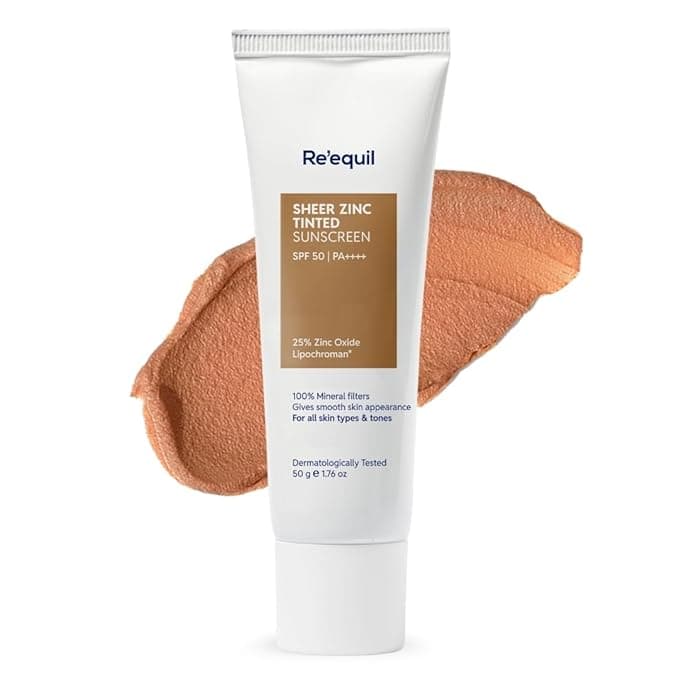
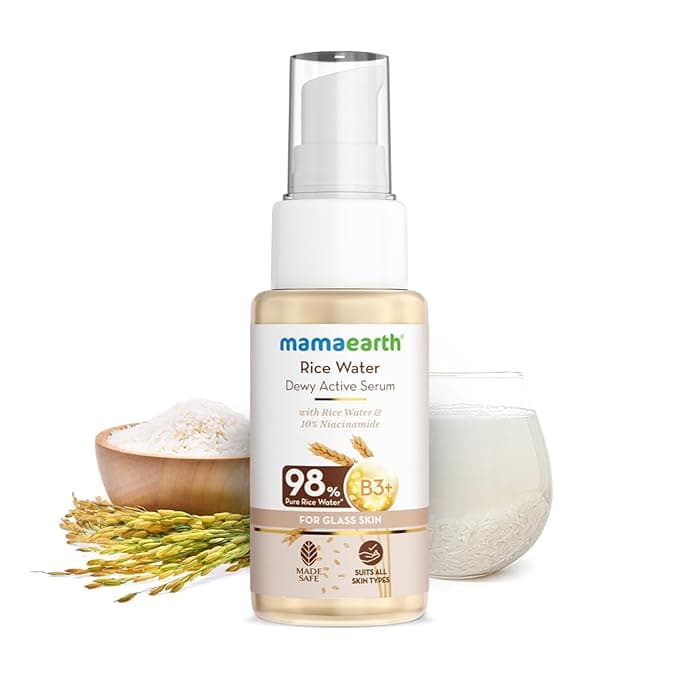
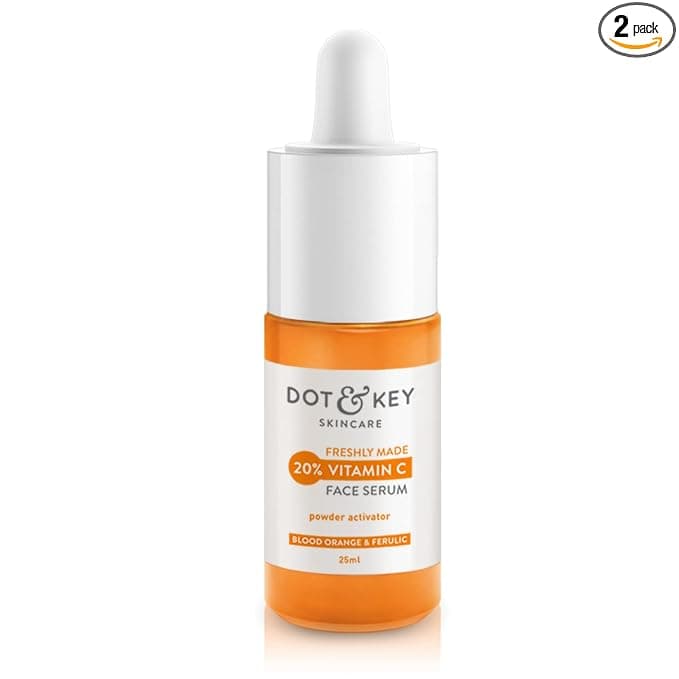
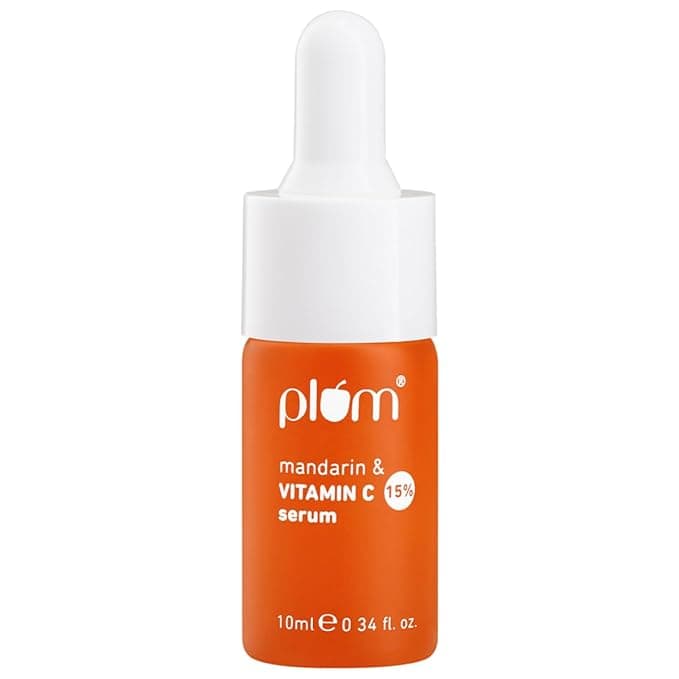
As an Amazon Associate, we earn from qualifying purchases. Links may earn a small commission at no extra cost to you.
Step-by-Step: Your Daily Routine
- 1Morning: Cleanse with a gentle face wash to remove overnight buildup
- 2Apply a vitamin C serum to brighten and protect against further melanin production
- 3Follow with a lightweight, hydrating moisturizer
- 4Apply a generous layer of broad-spectrum SPF 50, reapplying every 2-3 hours if outdoors, and pair with a hat or scarf during peak sun hours
- 5Evening: Cleanse thoroughly to remove sunscreen, sweat, and pollution buildup
- 6Apply an ubtan or turmeric-based brightening treatment to tanned areas
- 7On 2-3 nights a week, gently exfoliate with a mild scrub or lactic acid toner instead
- 8Once or twice a week, use a gram flour and turmeric face pack for deeper brightening and gentle exfoliation
Common Mistakes to Avoid
- Skipping sunscreen reapplication during the day, which allows new tanning to offset any progress made
- Scrubbing tanned skin aggressively, which can cause irritation and even more pigmentation as a defensive response
- Using bleaching creams with harsh, unregulated ingredients in search of faster results, which can damage the skin barrier
- Forgetting the neck, hands, and feet, which tan just as much as the face but are often left out of routines
- Assuming a tan is permanent and giving up on treatment, when most surface tans fade well within a month with consistent care
Expert Tips
Layer physical protection with sunscreen
In India's intense midday sun, sunscreen works best combined with physical barriers like wide-brimmed hats, scarves, and seeking shade between 11am and 3pm, rather than relying on SPF alone.
The fastest, safest way to reverse a tan is also the simplest: exfoliate gently, brighten consistently, and protect religiously — the same three steps, repeated daily, outperform any quick-fix bleaching product.
Final Verdict
Reversing a tan is one of the more forgiving skincare goals, since it typically resolves within a few weeks with the right combination of gentle exfoliation, brightening actives, and consistent sun protection. Traditional Ayurvedic ingredients like turmeric and gram flour pair naturally with modern vitamin C and SPF for a routine well-suited to India's climate.
Conclusion
With consistent care, your natural skin tone returns faster than you'd expect, and a solid daily SPF habit keeps new tanning from undoing your progress. Check out our dark spot and hyperpigmentation guides if you notice discoloration that lingers beyond a typical tan, and subscribe to our newsletter for more routines built for Indian skin and climate.
Frequently Asked Questions
Sources
Related Products
As an Amazon Associate, we earn from qualifying purchases. Links may earn a small commission at no extra cost to you.
You Might Also Like
SkincareSummer Skincare Routine for Indian Skin (Dermatologist-Approved)
A dermatologist-approved summer skincare routine built for Indian heat and humidity — lightweight layers, sweat-proof sunscreen, and oil control that won't strip your skin.
 Skincare
Anti-Aging Skincare Routine: A Complete Step-by-Step Guide
The definitive, research-backed guide to building a comprehensive anti-aging routine — retinoids, antioxidants, SPF, hydration, and the lifestyle habits that tie it all together.
 Skincare
The Correct Order to Apply Skincare Products
Applying products in the wrong order can cancel out their benefits entirely. Here's the exact sequence to follow, morning and night, for Indian skin.
Related Articles
Stay in the glow
Weekly routines and honest reviews, straight to your inbox.