Skincare Routine for Acne: A Complete Step-by-Step Guide
A dermatologist-informed, long-term routine to manage chronic acne, calm inflammation, and prevent new breakouts without stripping your skin barrier.
Jump to a section
Key Takeaways
- Acne is a chronic condition driven by excess oil, clogged pores, bacteria, and inflammation — it needs a sustained routine, not a single spot treatment.
- Consistent gentle cleansing, non-comedogenic hydration, and daily SPF are the non-negotiable foundations of any acne routine.
- Salicylic acid, niacinamide, and retinol work on different stages of acne formation and can be layered carefully once your skin builds tolerance.
- Over-cleansing and harsh scrubs make acne worse by damaging the skin barrier and triggering more oil production.
- Results take 8-12 weeks of consistent use before you can judge whether a routine is working.
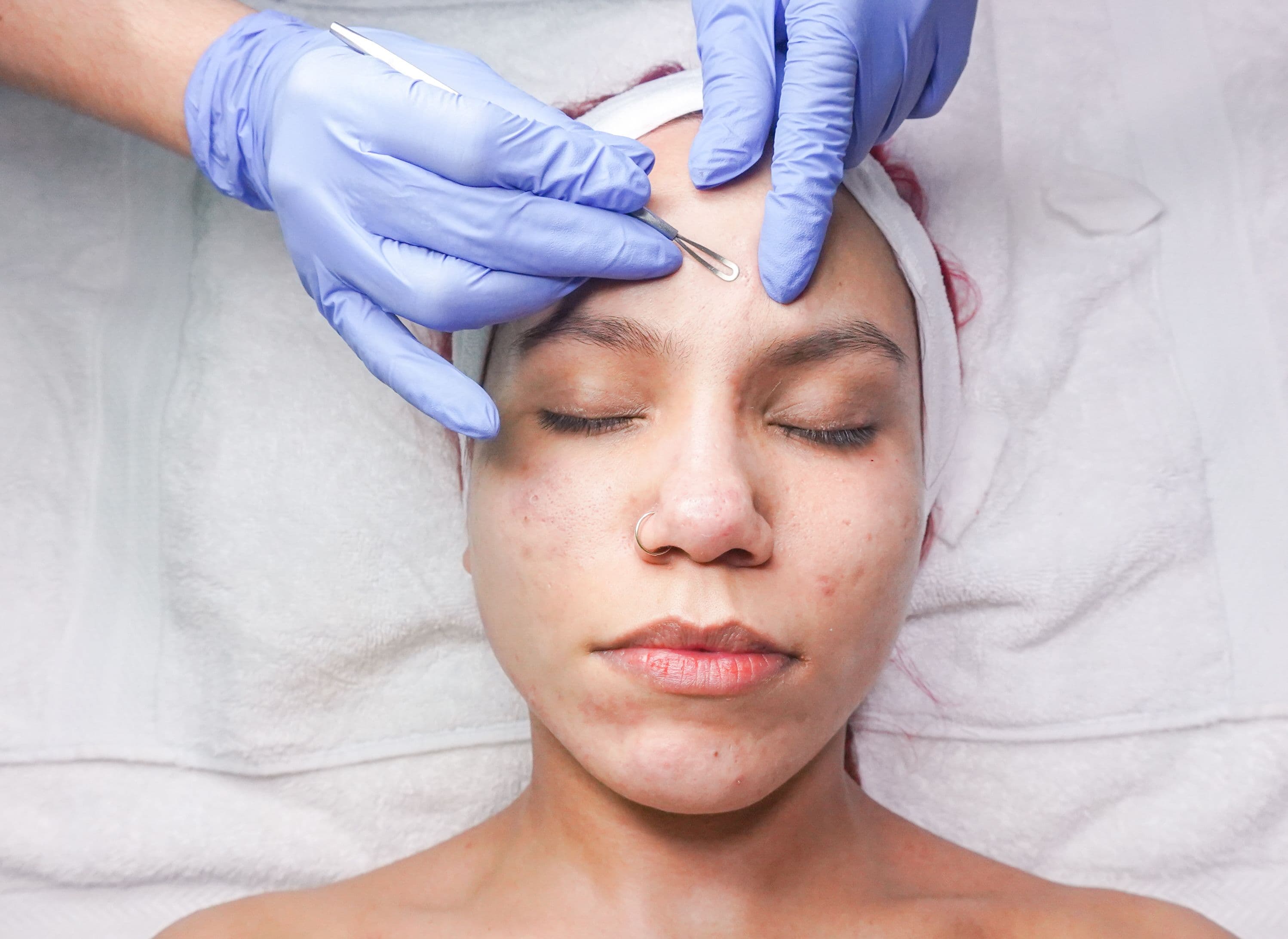
Acne is one of the most common skin concerns we treat, and one of the most misunderstood. It isn't caused by dirt or poor hygiene, and it rarely responds to a single miracle product. Acne is a chronic inflammatory condition rooted in excess sebum production, clogged follicles, bacterial overgrowth, and inflammation — which means it needs a sustained, well-sequenced routine rather than a quick fix.
If you've cycled through products that promised clear skin in a week and been disappointed, this guide is for you. We'll break down exactly what causes acne, which ingredients actually address each part of that process, and how to build a realistic morning and night routine you can stick to for months, because that's how long true improvement takes.
Quick Answer: Your Acne Routine at a Glance
- AM: Gentle cleanser → niacinamide serum → lightweight oil-free moisturizer → broad-spectrum SPF 30-50
- PM: Double cleanse (if wearing sunscreen/makeup) → salicylic acid or benzoyl peroxide treatment (alternate nights) → oil-free moisturizer
- 2-3x/week: Introduce a low-strength retinol at night once actives are tolerated, never combined with exfoliating acids the same night
- Weekly: One gentle exfoliation session only if skin is not irritated; skip if you're already using salicylic acid or retinol
- Daily, non-negotiable: Sunscreen, since many acne actives increase sun sensitivity
Who Should Read This Guide
- Anyone with recurring breakouts on the forehead, cheeks, jawline, or chest — not just an occasional pimple
- People with oily or combination skin who notice shine, enlarged pores, and blackheads alongside active acne
- Those who have tried spot treatments alone and seen breakouts keep returning
- Anyone managing hormonal acne around the jawline that flares with the menstrual cycle
- People starting actives like retinol or salicylic acid for the first time and needing a safe introduction plan
What Causes Acne
Acne develops through four overlapping mechanisms: excess sebum (oil) production, a buildup of dead skin cells inside the follicle, colonization by the bacteria Cutibacterium acnes, and the resulting inflammatory response. Hormonal fluctuations, especially androgens, are a major driver of sebum production, which is why acne often worsens around periods, during puberty, or with certain hormonal conditions like PCOS.
Diet, stress, humid climates, and comedogenic hair or skin products can all aggravate acne, but they are rarely the root cause on their own. A routine that targets oil control, gentle exfoliation, and inflammation reduction addresses the underlying process rather than just treating the pimples that already exist.
Acne vs occasional pimples
If you get one or two breakouts a month around your period or after a stressful week, you may only need spot treatment. Recurring, widespread breakouts across multiple zones point to true acne that needs a full routine.
| Ingredient | What it does | Best for | How often |
|---|---|---|---|
| Salicylic acid (BHA) | Exfoliates inside the pore, dissolves oil and dead skin | Blackheads, whiteheads, oily skin | 3-4x per week, building up |
| Benzoyl peroxide | Kills acne-causing bacteria, reduces inflammation | Inflamed, pus-filled breakouts | Spot treatment or every other night |
| Niacinamide | Regulates oil production, strengthens barrier, calms redness | All acne-prone skin, especially sensitive | Twice daily |
| Retinol | Speeds cell turnover, prevents clogged pores, fades scars | Maintenance and acne marks | 2-3x per week initially |
| Zinc oxide (SPF) | Protects healing skin, non-comedogenic sun protection | Daily use, all skin types | Every morning |
Building Tolerance Without Damaging Your Barrier
The single biggest mistake we see is introducing every active at once. When salicylic acid, benzoyl peroxide, and retinol are layered together from day one, the skin barrier breaks down, leading to redness, peeling, and paradoxically more breakouts as damaged skin overproduces oil to compensate.
Start with one active at a time, three nights a week, and increase frequency only once your skin tolerates it without excessive dryness or flaking. A hydrating, ceramide-rich moisturizer used every single day is what makes this whole process sustainable.
Avoid this combination
Do not use benzoyl peroxide and retinol on the same night — benzoyl peroxide can deactivate retinol and the combination is highly likely to cause irritation. Alternate nights instead.
A few well-chosen products can cover most of what an acne routine needs — oil regulation, gentle exfoliation, and daily protection.
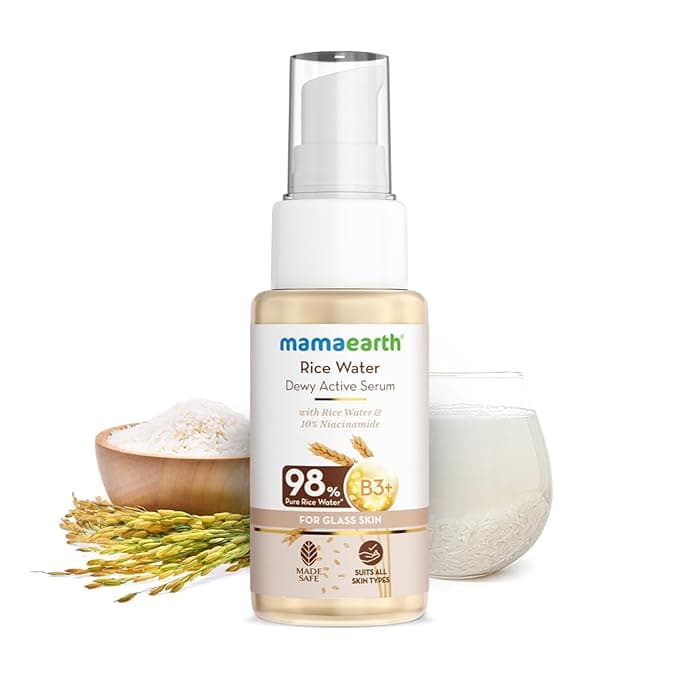
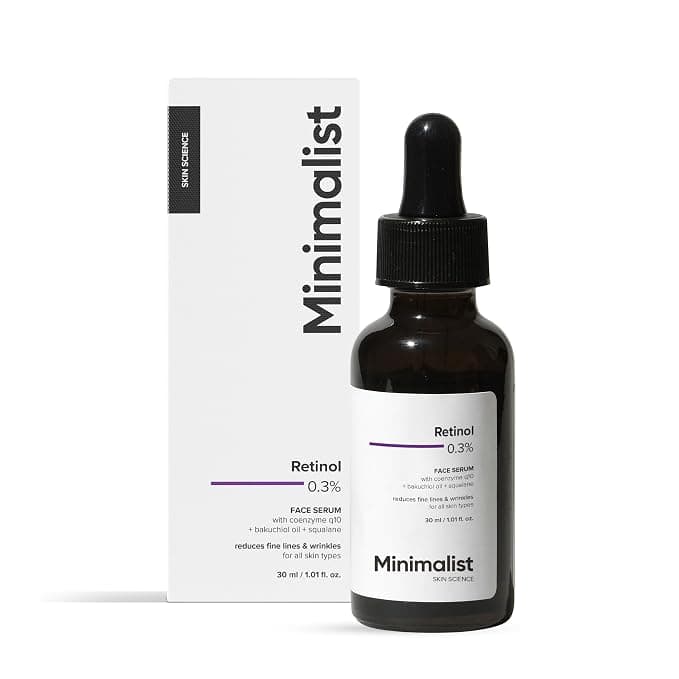
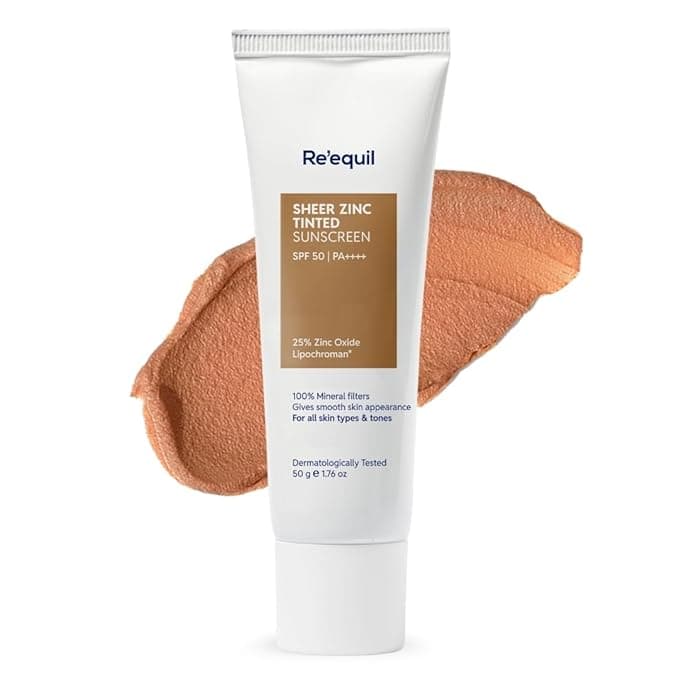
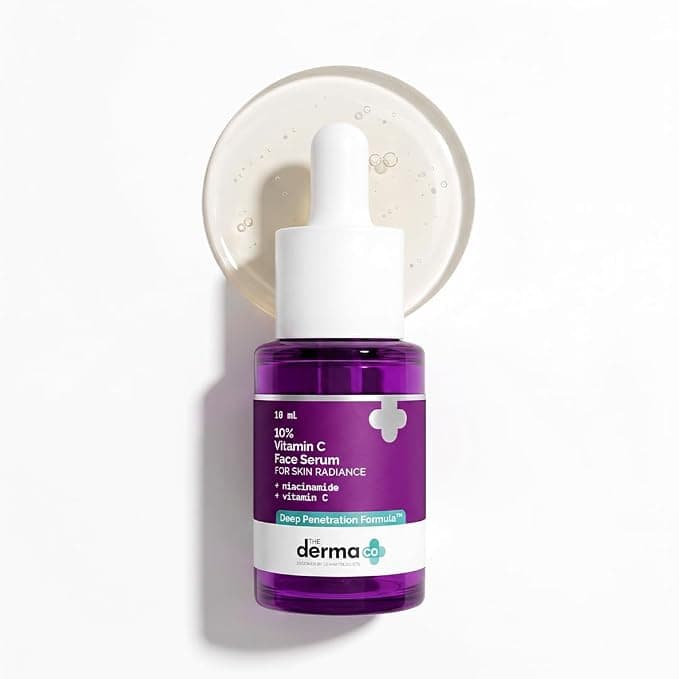
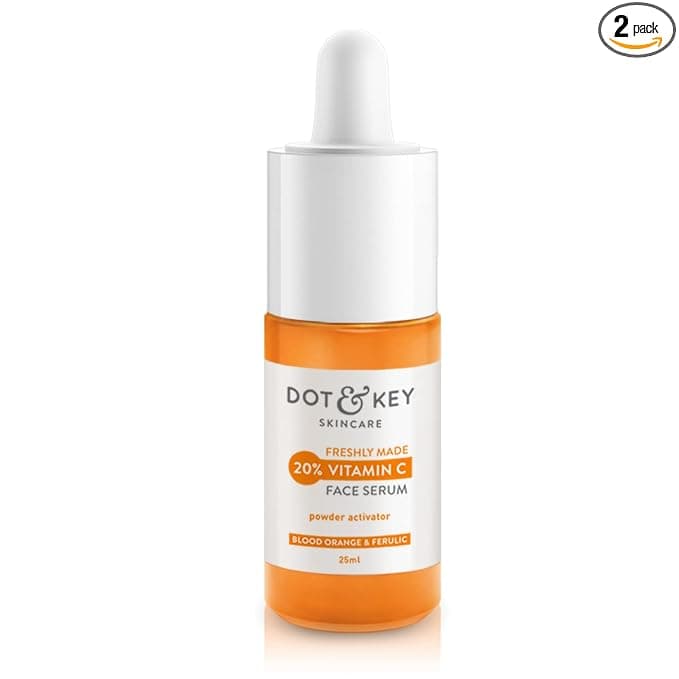
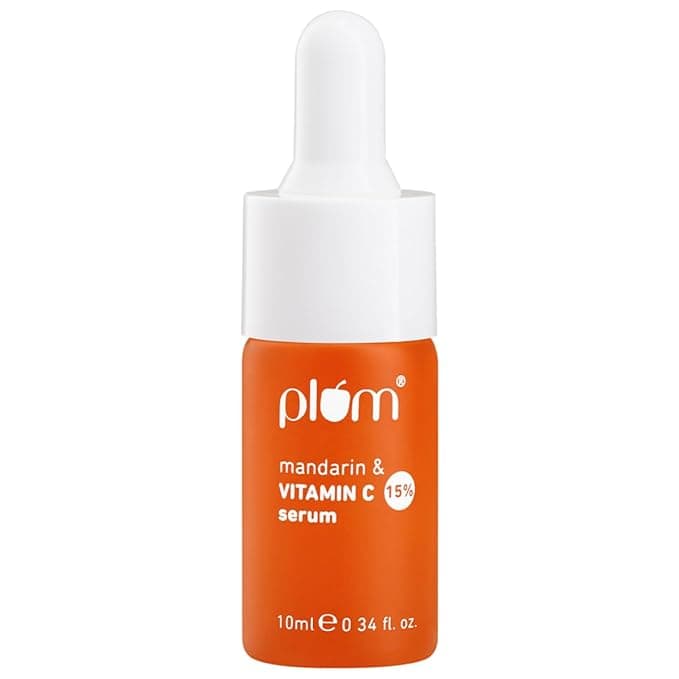
As an Amazon Associate, we earn from qualifying purchases. Links may earn a small commission at no extra cost to you.
Step-by-Step: Your Daily Routine
- 1Morning: Cleanse with a gentle, sulfate-free face wash using lukewarm water
- 2Apply a niacinamide serum to help regulate oil and calm any redness
- 3Follow with an oil-free, non-comedogenic moisturizer
- 4Finish with a broad-spectrum SPF 30-50 mineral sunscreen, reapplied every 3-4 hours if outdoors
- 5Evening: Remove sunscreen/makeup with a gentle oil or micellar cleanser, then follow with your regular face wash
- 6On active nights, apply salicylic acid or benzoyl peroxide to affected areas only
- 7On alternate nights, apply a pea-sized amount of low-strength retinol, avoiding the eye area
- 8Seal everything in with a fragrance-free, ceramide-based moisturizer before bed
Common Mistakes to Avoid
- Over-washing your face more than twice a day, which strips natural oils and triggers rebound oil production
- Using harsh physical scrubs on inflamed acne, which can spread bacteria and worsen scarring
- Skipping moisturizer because skin feels oily — dehydrated skin often produces more oil, not less
- Picking or popping pimples, which significantly increases the risk of permanent scarring and dark marks
- Expecting results in days rather than committing to the 8-12 week window most actives need to show visible change
Expert Tips
Patch test every new active
Apply a small amount behind your ear or along your jawline for 2-3 nights before using it on your full face, especially in India's humid climate where irritation can escalate quickly.
The patients who see the most improvement are rarely the ones using the most products — they're the ones who pick two or three targeted actives and use them consistently for months without switching every few weeks.
Final Verdict
Clearing acne is a marathon, not a sprint. A routine built around gentle cleansing, oil regulation with niacinamide, targeted exfoliation with salicylic acid or benzoyl peroxide, and consistent sun protection will outperform any single product used inconsistently. Give any new routine at least two to three months before judging its results, and introduce actives one at a time to protect your skin barrier along the way.
Conclusion
Acne can feel frustrating and unpredictable, but a consistent, well-layered routine genuinely changes the trajectory of your skin over time. If you're ready to go deeper, explore our other guides on treating active pimples, fading old acne marks, and building a barrier-friendly routine for sensitive, breakout-prone skin — or subscribe to our newsletter for new research-backed guides delivered straight to your inbox.
Frequently Asked Questions
Sources
Related Products
As an Amazon Associate, we earn from qualifying purchases. Links may earn a small commission at no extra cost to you.
You Might Also Like
 Skincare
Anti-Aging Skincare Routine: A Complete Step-by-Step Guide
The definitive, research-backed guide to building a comprehensive anti-aging routine — retinoids, antioxidants, SPF, hydration, and the lifestyle habits that tie it all together.
SkincareSkincare Routine for Acne-Prone Skin: A Complete Step-by-Step Guide
Breakouts, clogged pores, and post-acne marks — a routine built around proven acne-fighting ingredients, without over-drying or over-treating your skin.
 Skincare
Teen Girls Skincare Routine: A Simple Guide for Puberty-Prone Skin
Hormonal breakouts, oily patches, and social pressure to try every trending product — a simple, dermatologist-informed routine built for teen girls.
Related Articles
Stay in the glow
Weekly routines and honest reviews, straight to your inbox.