Skincare Routine for Open Pores: A Complete Step-by-Step Guide
Pore size is largely genetic, but their visible appearance isn't fixed — here's the realistic, evidence-based routine to minimize how open pores look over time.
Jump to a section
Key Takeaways
- Pore size is largely determined by genetics and cannot be permanently 'shrunk' by any topical product.
- The visible appearance of open pores can be meaningfully reduced by controlling excess oil, clearing debris, and improving skin elasticity around the pore.
- Niacinamide and salicylic acid (BHA) are the two most evidence-backed ingredients for minimizing pore appearance.
- Retinol improves collagen support around pores over months of consistent use, reducing the sagging that makes pores look stretched.
- Consistent, non-comedogenic sun protection prevents UV-related collagen breakdown that worsens pore appearance over time.
Open, or 'enlarged,' pores are one of the most commonly searched skin concerns — and also one of the most misunderstood. Before diving into a routine, it's important to set an honest expectation: pore size is largely genetic, tied to factors like oil gland size and skin thickness, and no serum, mask, or device can permanently shrink a pore opening.
What can genuinely change is how visible those pores appear. Excess oil, trapped debris, sun-damaged collagen, and dehydrated skin around the pore opening all make pores look larger and more shadowed than they structurally are. A well-designed routine addresses each of these factors, and while it won't deliver poreless, filter-smooth skin, it can produce a real, visible refinement over consistent use.
Quick Answer: The Open Pores Routine
To minimize the visible appearance of open pores, focus on niacinamide for oil control, salicylic acid to clear pore-clogging debris, and retinol at night to support collagen and firmness. Here is the full routine.
- AM: Gentle cleanser → Niacinamide serum → Lightweight, oil-free moisturizer → Non-comedogenic SPF 30-50
- PM: Cleanse → Salicylic acid (BHA) toner or serum, 3-4x weekly → Moisturizer
- 2-3 nights/week (alternating with BHA nights): Retinol serum, starting at a low frequency
- Ongoing: Avoid heavy, pore-clogging (comedogenic) products and excessive touching or squeezing of the skin
Who Should Read This Guide
- Anyone with visibly enlarged pores, particularly across the nose, cheeks, and forehead (the T-zone)
- People with oily or combination skin looking to reduce shine and pore congestion
- Readers who've tried pore strips or clay masks without lasting results and want a real long-term routine
- Anyone wanting realistic expectations before investing in a pore-focused routine
Why Pores Look Open: Setting Realistic Expectations
Pores are simply the visible openings of hair follicles and oil (sebaceous) glands. Their base size is determined by genetics, and larger oil glands — common in oilier skin types — naturally produce a wider pore opening. This structural size does not change with topical treatment.
What does change is the appearance: excess sebum stretches the pore lining, trapped dead skin and debris create visible dark plugs, and age-related collagen loss around the pore causes it to sag and look more oval or elongated, especially on the cheeks. Addressing these secondary factors is where a routine can make a real, visible difference.
Be Wary of 'Pore-Shrinking' Marketing Claims
No skincare product can permanently close or shrink a pore's actual structural opening. Be skeptical of products claiming dramatic, permanent pore-size reduction — the realistic goal is minimizing visible appearance, not structural change.
Ingredient Comparison for Pore Appearance
| Ingredient | Mechanism | Timeline | Notes |
|---|---|---|---|
| Niacinamide | Regulates sebum production, strengthens barrier | 2-4 weeks | Well-tolerated by nearly all skin types |
| Salicylic Acid (BHA) | Oil-soluble, penetrates pore lining to clear debris | 3-6 weeks | Start 2-3x weekly, increase gradually |
| Retinol | Boosts collagen production, improves skin firmness around pores | 8-12 weeks | Start low frequency; can cause initial dryness/peeling |
| Clay masks | Temporarily absorbs surface oil | Immediate, short-lived | Cosmetic effect only, not a long-term fix |
| Sunscreen | Prevents UV-driven collagen breakdown | Preventive, months | Choose non-comedogenic, oil-free formulas |
Building the Routine Around Oil Control and Collagen Support
The most effective pore-minimizing routines work on two fronts simultaneously: reducing excess oil and debris (niacinamide and salicylic acid) while supporting the skin's structural collagen around the pore (retinol and consistent SPF). Neglecting either front tends to produce disappointing, partial results.
Alternate BHA and Retinol Nights
Salicylic acid and retinol can both be irritating if used together too often. Alternate them across different nights of the week (for example, BHA on Monday/Wednesday/Friday and retinol on Tuesday/Thursday) to get the benefits of both without overwhelming the skin barrier.
A few products that fit well into a pore-focused routine:
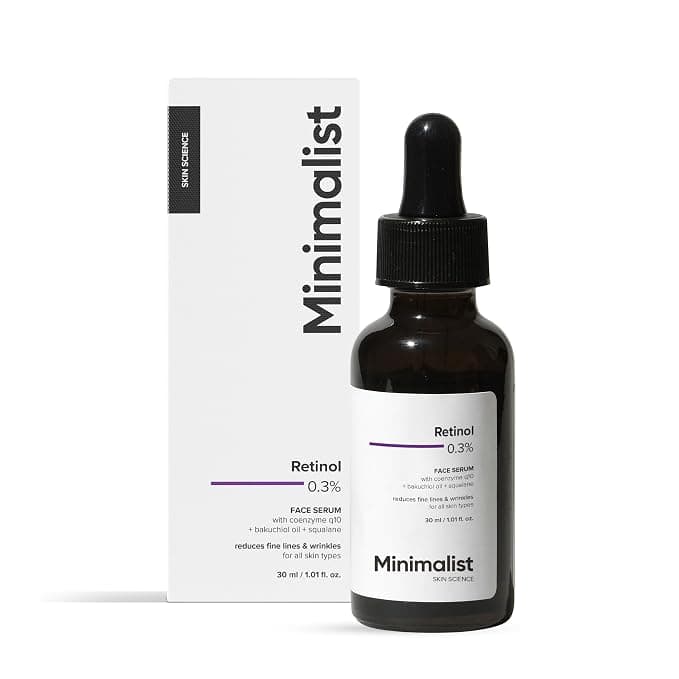
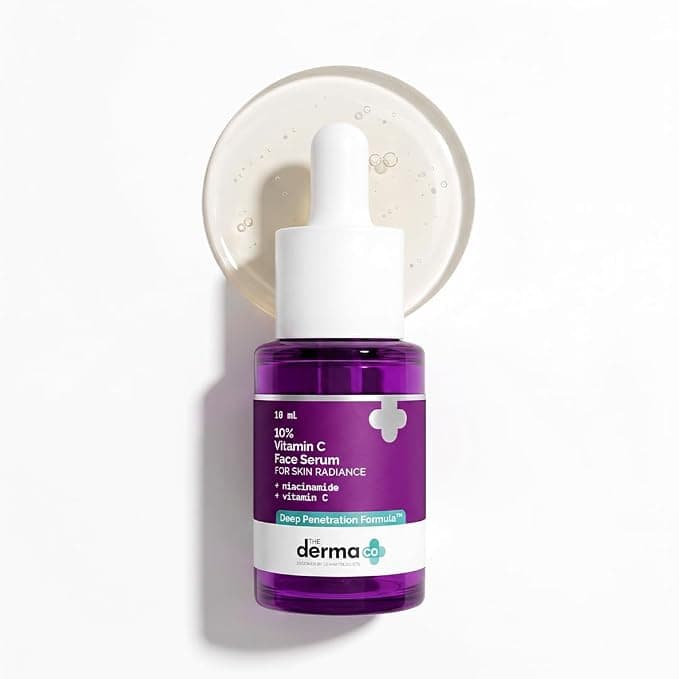
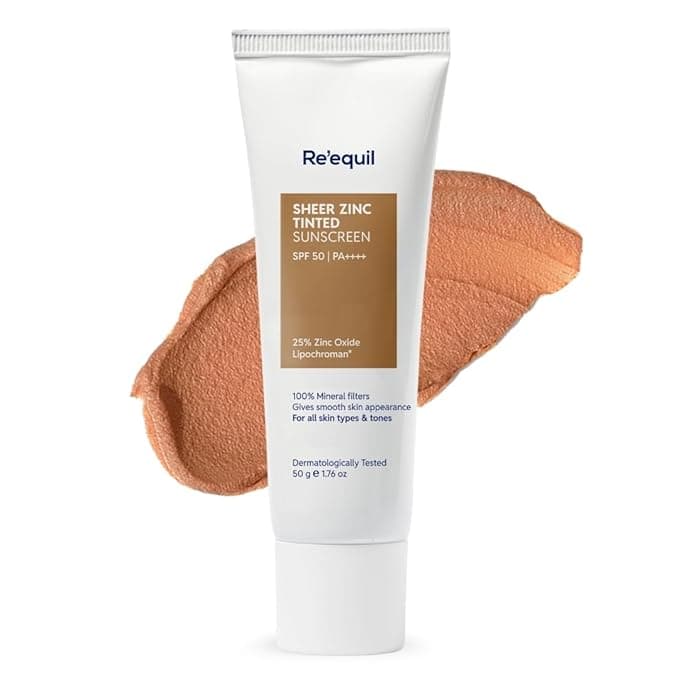

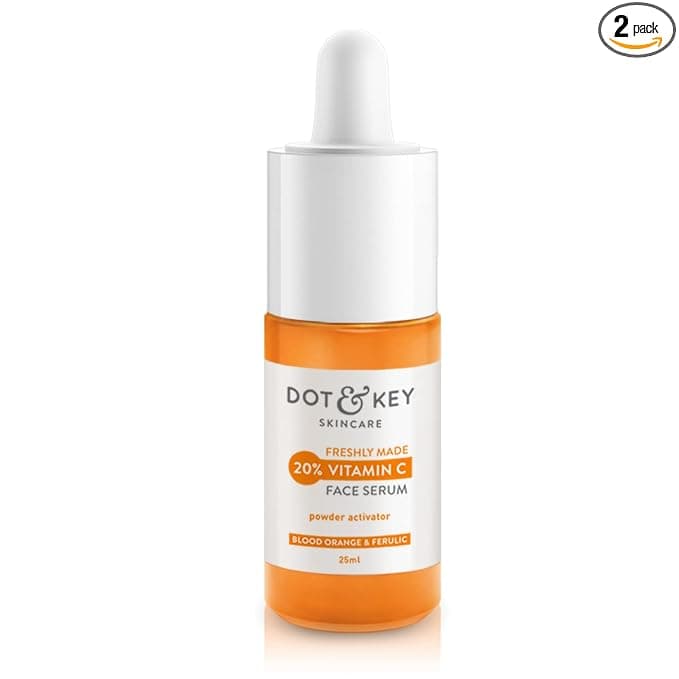
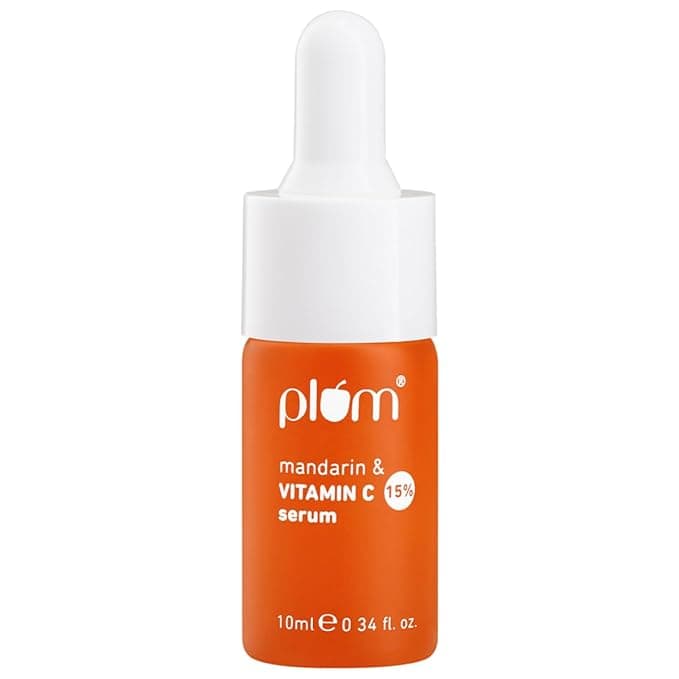
As an Amazon Associate, we earn from qualifying purchases. Links may earn a small commission at no extra cost to you.
Step-by-Step: Your Daily Routine for Open Pores
- 1Morning: Cleanse with a gentle, oil-free cleanser to remove overnight sebum buildup.
- 2Apply a niacinamide serum to help regulate oil production throughout the day.
- 3Follow with a lightweight, oil-free or gel moisturizer — avoid heavy, occlusive creams.
- 4Finish with a non-comedogenic, broad-spectrum SPF 30-50.
- 5Evening: Double cleanse if wearing sunscreen or makeup to prevent buildup in pores.
- 6On BHA nights (3-4x weekly), apply a salicylic acid toner or serum to clear debris from pore linings.
- 7On alternate nights, apply a low-strength retinol serum to support collagen and firmness.
- 8Finish every evening with a lightweight, non-comedogenic moisturizer.
Common Mistakes to Avoid
- Using harsh physical scrubs to try to 'clean out' pores, which can cause micro-tears and worsen irritation
- Over-relying on pore strips, which only remove surface debris temporarily and can irritate the skin
- Skipping moisturizer out of fear it will clog pores — dehydrated skin often produces more oil in compensation
- Combining BHA and retinol every night without alternating, leading to irritation and a compromised barrier
- Expecting pores to disappear entirely rather than aiming for a realistic, visible improvement
Expert Tips
Cold Water Rinse for Temporary Tightening
A final splash of cool (not ice-cold) water after cleansing can temporarily constrict the appearance of pores for photos or events, though this effect is cosmetic and short-lived rather than a long-term treatment.
Pore size itself can't be changed, but how visible those pores are absolutely can. Consistent oil control and collagen support over a few months make a real, measurable difference.
Final Verdict
A realistic pore-minimizing routine — built around niacinamide, salicylic acid, and retinol, with consistent sun protection — can meaningfully reduce how open pores look, typically within 8-12 weeks. Structural pore size will not change, but appearance genuinely can.
Conclusion
Open pores respond best to patience and consistency rather than quick fixes like pore strips or aggressive scrubbing. Stick with the oil-control and collagen-support routine above, and give it the full 8-12 week window to show results. Browse our other skincare guides for more targeted routines, and subscribe to our newsletter for new research-backed content.
Frequently Asked Questions
Sources
Related Products
As an Amazon Associate, we earn from qualifying purchases. Links may earn a small commission at no extra cost to you.
You Might Also Like
 Skincare
How to Build a Skincare Routine According to Your Skin Type (India Edition)
Oily, dry, combination, or sensitive — your skin type should decide your routine, not the other way around. A dermatologist-informed, India-specific guide.
 Skincare
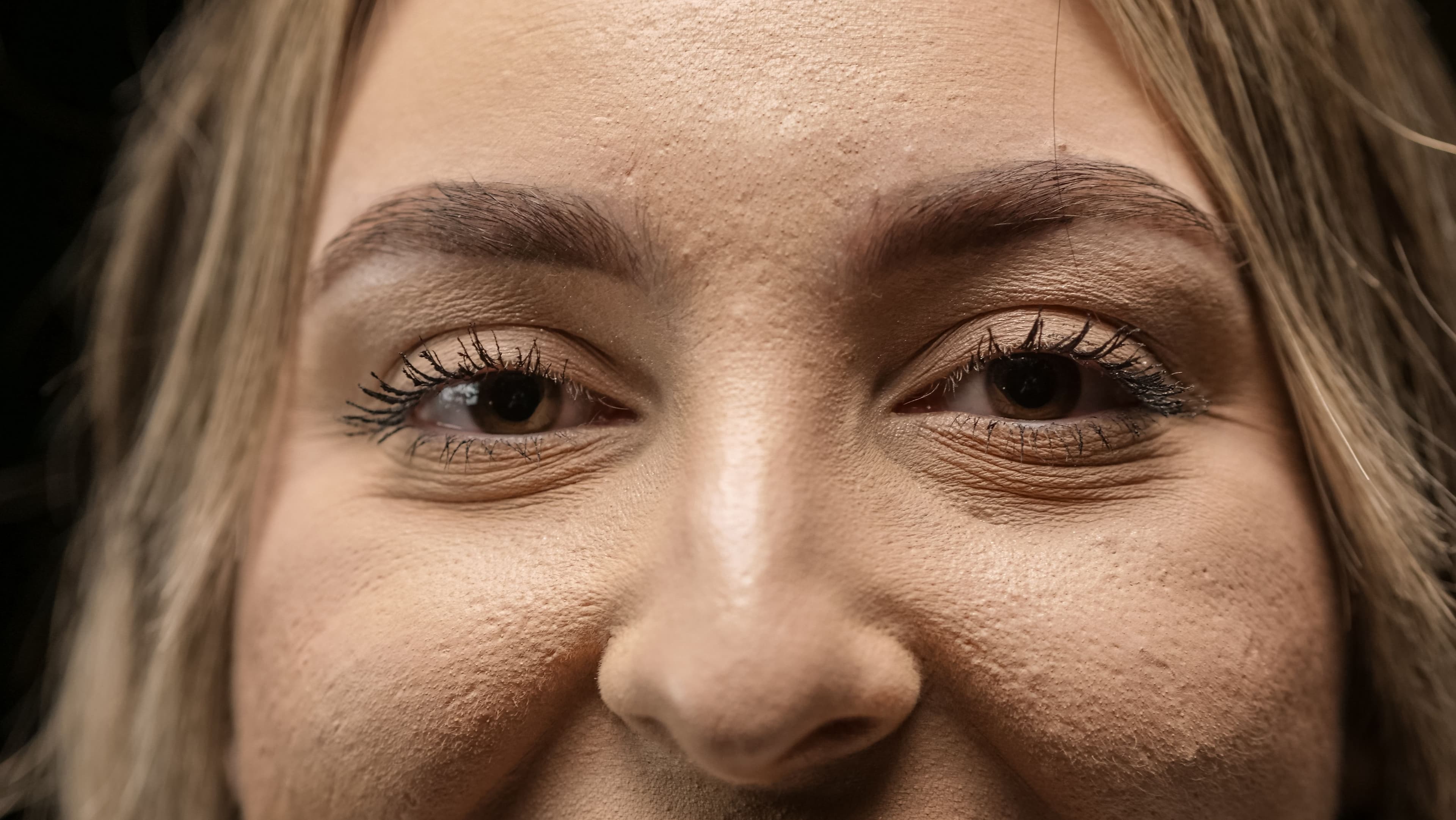
Skincare Routine for Large Pores: A Complete Step-by-Step Guide
Pores you can't shrink but can absolutely minimise the appearance of. Here's the realistic, science-backed routine for visibly refined skin texture.
 Skincare
Anti-Aging Skincare Routine: A Complete Step-by-Step Guide
The definitive, research-backed guide to building a comprehensive anti-aging routine — retinoids, antioxidants, SPF, hydration, and the lifestyle habits that tie it all together.
Related Articles
Stay in the glow
Weekly routines and honest reviews, straight to your inbox.