Skincare Routine for Dark Spots: A Complete Step-by-Step Guide
A brightening routine built around vitamin C, niacinamide, and diligent sun protection to fade stubborn dark spots left behind by acne, sun, or scarring.

Jump to a section
Key Takeaways
- Dark spots are areas of excess melanin, usually triggered by acne, sun exposure, or minor skin injury, not a single unified condition.
- Vitamin C, niacinamide, and alpha arbutin work by inhibiting tyrosinase, the enzyme responsible for melanin production.
- Sunscreen is the single most important step, since UV exposure darkens existing spots and slows fading.
- Consistent use over 3-6 months is typically needed to see visible fading of dark spots.
- Layering too many brightening acids at once can cause irritation that leads to more pigmentation, not less.
Dark spots — those small, flat patches of discoloration left behind by an old pimple, a scratch, or years of sun exposure — are one of the most common concerns we hear about, especially in warmer climates where sun exposure is a daily reality. Unlike active acne or a pimple, a dark spot is a mark of past inflammation, and fading it requires a very different approach.
The good news is that dark spots are one of the most treatable forms of skin discoloration when you use the right ingredients consistently. This guide covers exactly why dark spots form, the actives that genuinely fade them, and how to build them into a routine that protects your progress rather than undoing it.
Quick Answer: Your Dark Spot Routine at a Glance
- AM: Gentle cleanser → vitamin C serum → moisturizer → broad-spectrum SPF 30-50, reapplied every 3-4 hours
- PM: Cleanser → niacinamide or alpha arbutin serum → moisturizer
- 2-3x/week: Add a gentle chemical exfoliant (lactic or mandelic acid) to speed up cell turnover
- Daily, without exception: Sunscreen, since UV exposure is the biggest reason dark spots persist or worsen
- Avoid: Combining vitamin C and strong exfoliating acids in the same session if your skin is sensitive
Who Should Read This Guide
- Anyone with flat, brown, or reddish-brown marks left behind after acne has cleared
- People with sun-induced spots on the cheeks, nose, or forehead from years of unprotected sun exposure
- Those noticing uneven skin tone rather than active breakouts or texture issues
- Anyone who has tried a vitamin C serum without pairing it with consistent sunscreen and seen limited results
What Causes Dark Spots
Dark spots, medically known as post-inflammatory hyperpigmentation when linked to acne or injury, form when inflammation triggers melanocytes to overproduce melanin in a localized area. Sun exposure works similarly but through direct UV-triggered melanin production, which is why sun spots tend to appear on areas that get the most exposure, like the cheeks and nose.
Darker skin tones, common across South Asia, are naturally more prone to visible post-inflammatory marks because melanocytes are more reactive to inflammation. This makes both prevention (protecting healing skin) and consistent, gentle treatment especially important.
Dark spots vs melasma
If your discoloration appears as larger, symmetrical patches on both cheeks or the forehead rather than small, defined spots, you may be dealing with melasma, which often needs a slightly different, more cautious approach — read our hyperpigmentation guide for that distinction.
| Ingredient | Mechanism | Best paired with | Typical timeline |
|---|---|---|---|
| Vitamin C (10-20%) | Antioxidant, inhibits tyrosinase, brightens overall tone | SPF in the morning | 6-12 weeks |
| Niacinamide | Reduces melanin transfer to skin surface, strengthens barrier | Vitamin C or alone, twice daily | 8-12 weeks |
| Alpha arbutin | Directly inhibits tyrosinase enzyme | Niacinamide at night | 8-12 weeks |
| Lactic/mandelic acid | Gently exfoliates to reveal fresher, less pigmented skin | Use 2-3x weekly, not daily | 4-8 weeks |
| Turmeric (curcumin) | Traditional Ayurvedic brightener, anti-inflammatory | Daily use in creams | 8-16 weeks |
Layering Actives Without Irritation
Vitamin C works best in the morning under sunscreen, as it also offers antioxidant protection against UV-induced free radical damage. Niacinamide and alpha arbutin are gentle enough for both AM and PM use, but if you're introducing an exfoliating acid as well, keep it to two or three nights a week to avoid over-exfoliating skin that's already recovering from inflammation.
Don't chase faster results with stronger acids
Jumping straight to a high-strength acid or 20% vitamin C serum without building tolerance can trigger new irritation, which paradoxically creates fresh dark spots rather than fading old ones.
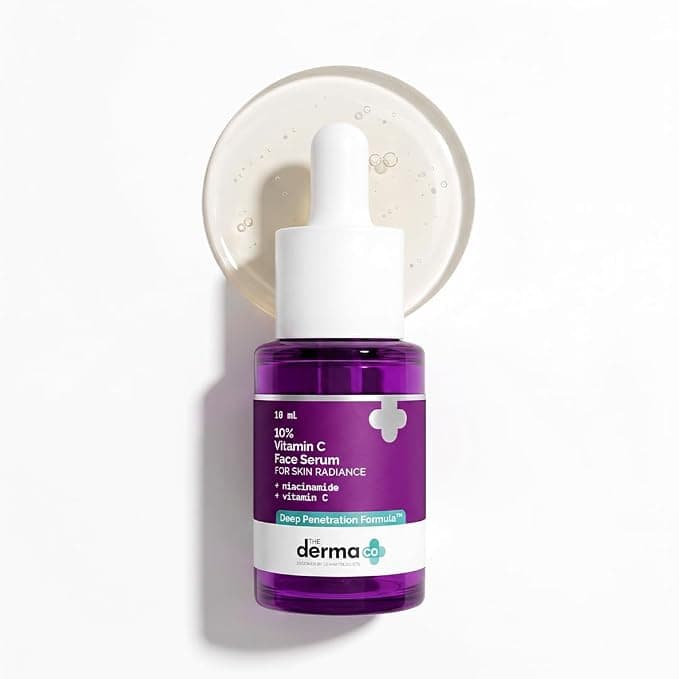
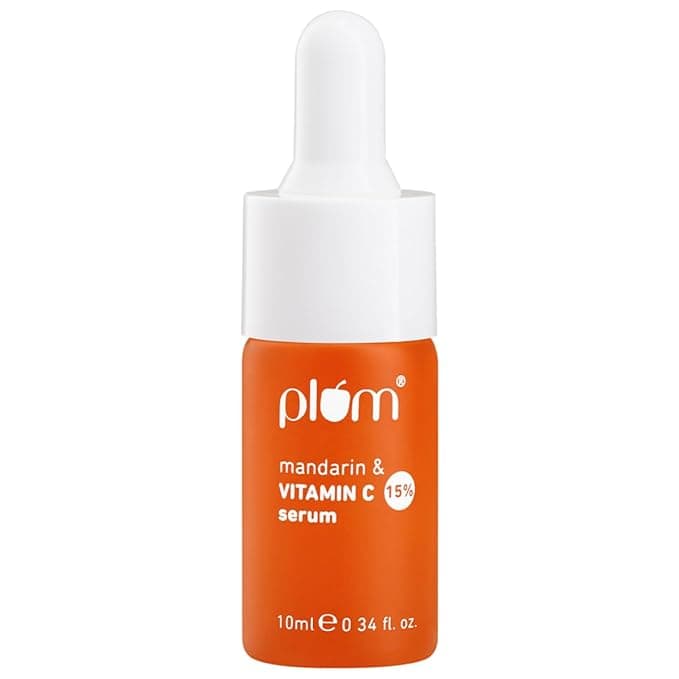
The right combination of a brightening serum and a dedicated dark-spot cream, paired with daily SPF, forms the backbone of an effective routine.
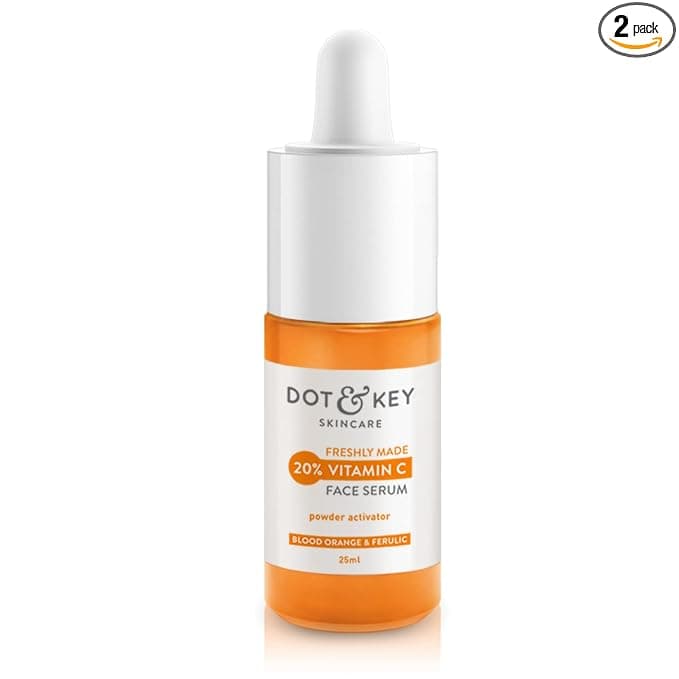
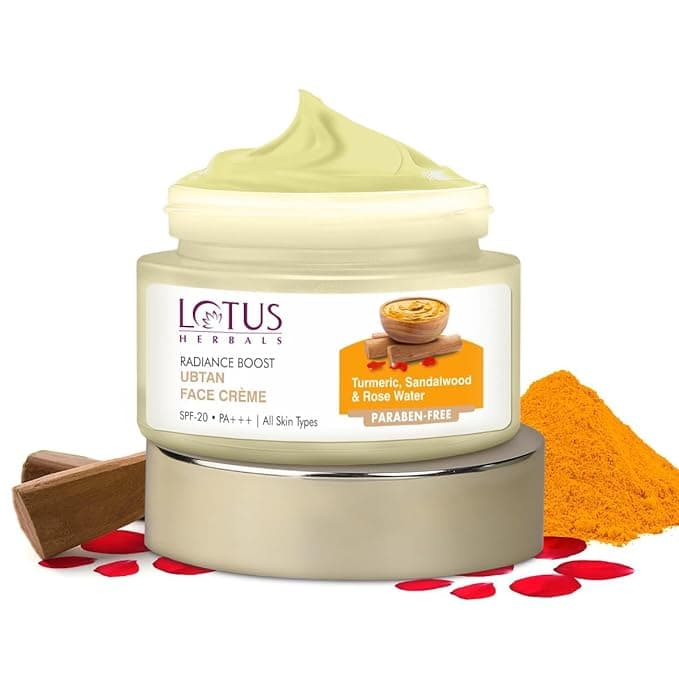
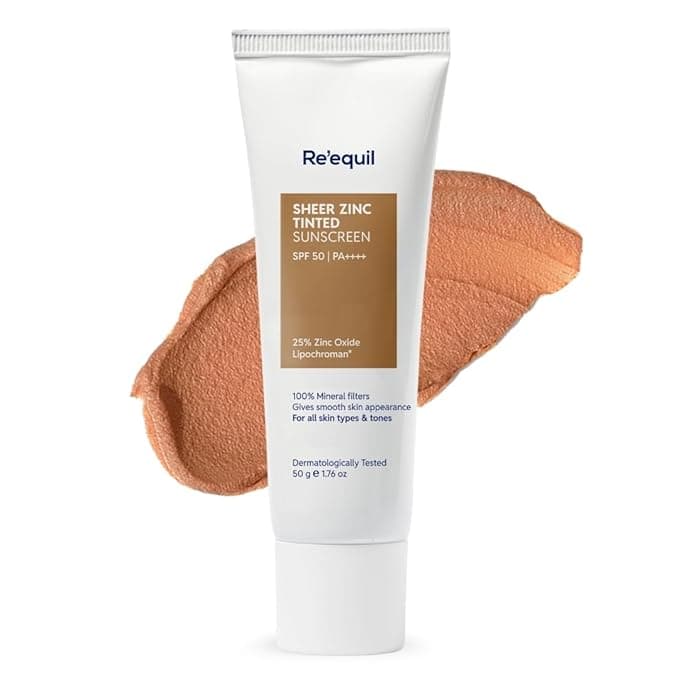
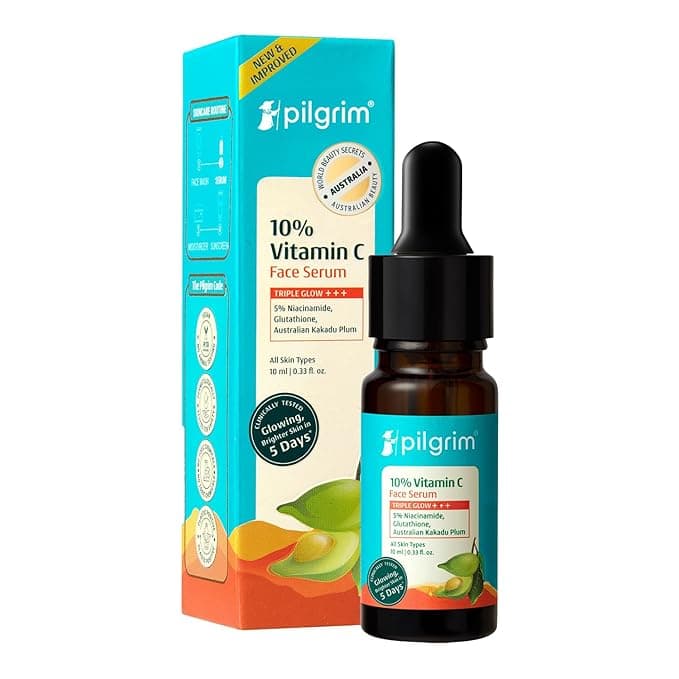
As an Amazon Associate, we earn from qualifying purchases. Links may earn a small commission at no extra cost to you.
Step-by-Step: Your Daily Routine
- 1Morning: Cleanse with a gentle, hydrating face wash
- 2Apply a vitamin C serum to clean, dry skin and let it absorb for a few minutes
- 3Follow with a lightweight moisturizer to lock in hydration
- 4Apply broad-spectrum SPF 30-50 generously, and reapply every 3-4 hours if outdoors
- 5Evening: Cleanse thoroughly to remove sunscreen and impurities
- 6Apply a niacinamide or alpha arbutin serum, focusing on areas with visible spots
- 7On 2-3 nights a week, substitute a gentle lactic or mandelic acid exfoliant instead
- 8Finish with a nourishing moisturizer to support overnight repair
Common Mistakes to Avoid
- Skipping sunscreen on cloudy or indoor days, since UV rays pass through clouds and windows and continue to darken spots
- Using lemon juice or other acidic home remedies directly on skin, which can cause chemical burns and worsen pigmentation
- Expecting a single serum to fade deep or long-standing spots without consistent months of use
- Combining too many acids and vitamin C in one routine, leading to irritation that creates new marks
- Picking at healing acne instead of letting it resolve naturally, which restarts the pigmentation cycle
Expert Tips
Track progress with monthly photos
Dark spot fading is gradual and easy to miss day to day. Take a photo in the same lighting once a month to accurately track whether your routine is working.
Patients often underestimate how much sunscreen alone can do for dark spots — without it, even the best brightening serum is working against a losing battle every time you step outside.
Final Verdict
Fading dark spots is entirely achievable with the right combination of tyrosinase-inhibiting actives, gentle exfoliation, and unwavering daily sunscreen use. Give your routine a full three to six months before expecting dramatic change, and resist the temptation to over-layer actives in pursuit of faster results.
Conclusion
Even, spot-free skin is a realistic goal with patience and the right routine. If you're also dealing with broader patches of discoloration, our hyperpigmentation guide dives deeper into that distinction, and our tan removal guide can help if sun exposure is your main concern — or subscribe to our newsletter for more brightening tips.
Frequently Asked Questions
Sources
Related Products
As an Amazon Associate, we earn from qualifying purchases. Links may earn a small commission at no extra cost to you.
You Might Also Like
 Skincare
Skincare Routine for Sun Damage: A Complete Step-by-Step Guide
Reverse dark spots, rough texture, and premature fine lines from years of UV exposure with this retinoid, vitamin C, and SPF-driven routine.
SkincareSkincare Routine for Hyperpigmentation: A Complete Step-by-Step Guide
A comprehensive, dermatologist-informed routine to manage melasma, sun-induced patches, and widespread discoloration using proven brightening actives.
 Skincare
Skincare Routine for Uneven Skin Tone: A Complete Step-by-Step Guide
Patchy pigmentation, sun spots, and post-acne marks making your complexion look uneven? Here is a dermatologist-informed routine to even things out safely.
Related Articles


Stay in the glow
Weekly routines and honest reviews, straight to your inbox.