Skincare Routine for Hyperpigmentation: A Complete Step-by-Step Guide
A comprehensive, dermatologist-informed routine to manage melasma, sun-induced patches, and widespread discoloration using proven brightening actives.

Jump to a section
Key Takeaways
- Hyperpigmentation is an umbrella term covering melasma, sun-induced patches, and post-inflammatory marks, each with slightly different triggers.
- Melasma is often hormonally driven and can worsen with sun exposure and heat, requiring extra-diligent sun protection.
- A layered approach using vitamin C, niacinamide, alpha arbutin, and gentle exfoliation addresses multiple pigmentation pathways at once.
- Broad-spectrum SPF, reapplied throughout the day, is the single most important step for managing any form of hyperpigmentation.
- Consistent use over 3-6+ months is typically necessary, and melasma in particular can require ongoing maintenance to prevent recurrence.
Hyperpigmentation is a broader term than most people realize. It covers everything from small acne marks to widespread melasma patches to years of accumulated sun damage, and each type responds slightly differently to treatment. Understanding which kind of discoloration you're dealing with is the first step toward building a routine that actually works.
In this guide, we'll walk through the different forms of hyperpigmentation common in Indian skin, the ingredients with the strongest evidence behind them, and a complete daily routine designed to even out tone over time while protecting against new pigmentation forming.
Quick Answer: Your Hyperpigmentation Routine at a Glance
- AM: Gentle cleanser → vitamin C serum → hydrating moisturizer → broad-spectrum SPF 50, reapplied every 2-3 hours
- PM: Cleanser → niacinamide and alpha arbutin serum → moisturizer
- 2-3x/week: Gentle chemical exfoliation (lactic or mandelic acid) to support cell turnover
- Daily: Wide-brimmed hat or extra SPF layer if you're managing melasma, since heat and visible light can also trigger it
- Ongoing: Treat hyperpigmentation as a long-term maintenance process, not a one-time fix
Who Should Read This Guide
- Anyone with widespread, uneven skin tone rather than a few isolated spots
- People noticing symmetrical brown patches on the cheeks, forehead, or upper lip, which may indicate melasma
- Those with pigmentation that seems to worsen with sun exposure, heat, or hormonal changes like pregnancy or birth control
- Anyone who has tried spot treatments for individual dark marks but still has broader tonal unevenness
Why Skin Develops Hyperpigmentation
Hyperpigmentation occurs when melanocytes, the cells responsible for producing melanin, become overactive in certain areas. This can be triggered by UV exposure, hormonal shifts (as in melasma, which is strongly linked to estrogen and progesterone), inflammation from acne or injury, or a combination of all three. Melasma in particular is notoriously stubborn because visible light and heat, not just UV rays, can trigger and worsen it.
Skin of color, including most Indian skin tones, tends to have more reactive melanocytes, meaning pigmentation issues can be more pronounced and take longer to resolve than in lighter skin tones. This makes a disciplined, patient, and sun-protective approach essential.
Melasma needs extra caution
If your discoloration is symmetrical, appears on both cheeks or the upper lip, and seems to worsen with heat or sun even with sunscreen, consult a dermatologist. Melasma sometimes requires prescription-strength treatment alongside a supportive skincare routine.
| Type | Common trigger | Appearance | Key approach |
|---|---|---|---|
| Melasma | Hormones, heat, sun, visible light | Symmetrical brown patches on cheeks/forehead/lip | Strict SPF + gentle brightening, dermatologist support |
| Sun-induced (solar lentigines) | Cumulative UV exposure | Flat brown spots on sun-exposed areas | Vitamin C + consistent SPF |
| Post-inflammatory | Acne, injury, irritation | Localized marks where skin was inflamed | Niacinamide + alpha arbutin + SPF |
| Age-related unevenness | Years of cumulative exposure and slower cell turnover | General tonal unevenness | Retinol + vitamin C + exfoliation |
Building a Multi-Pathway Brightening Routine
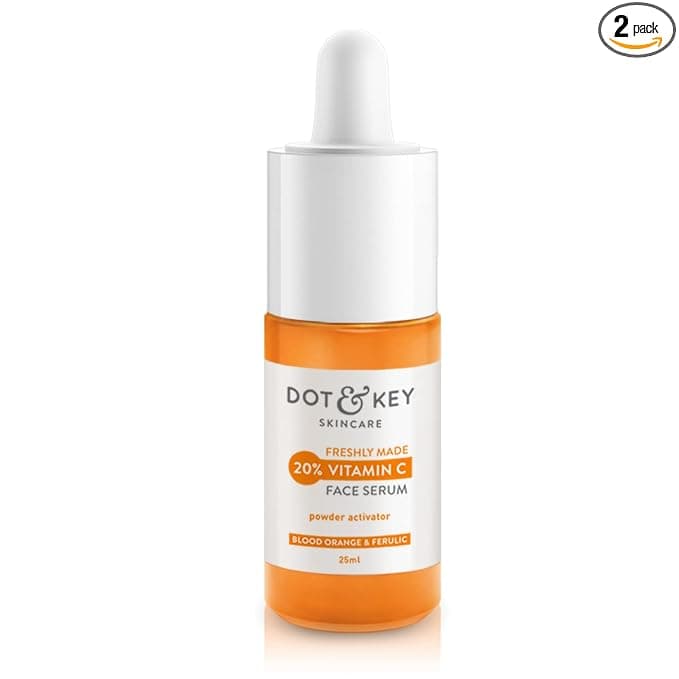
Because hyperpigmentation can stem from several overlapping causes, the most effective routines target multiple pathways at once: antioxidant protection and tyrosinase inhibition from vitamin C, melanin-transfer blocking from niacinamide, direct tyrosinase inhibition from alpha arbutin, and gentle cell turnover from a mild exfoliating acid.
Consistency beats intensity
A moderate-strength routine used every single day for six months will outperform an aggressive, high-strength routine used inconsistently. Hyperpigmentation responds to sustained, patient treatment.
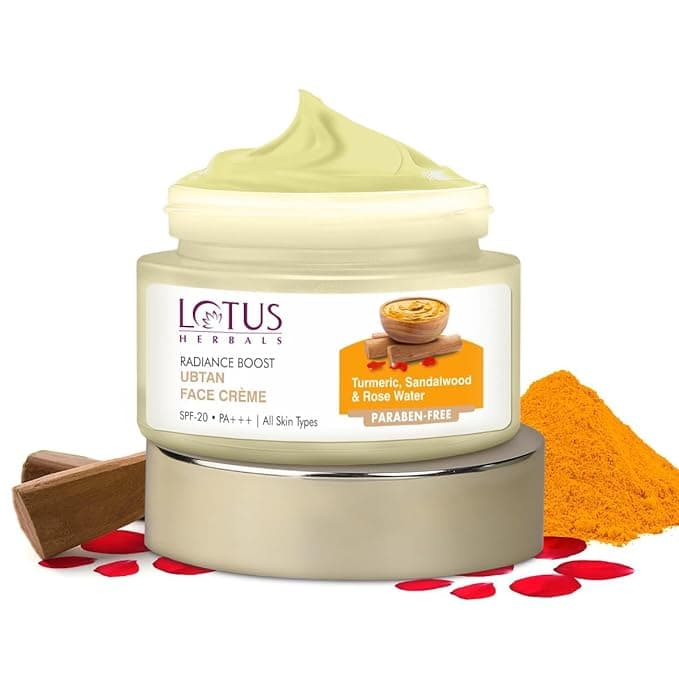
The following combination covers antioxidant protection, targeted brightening, and daily defense in one manageable routine.
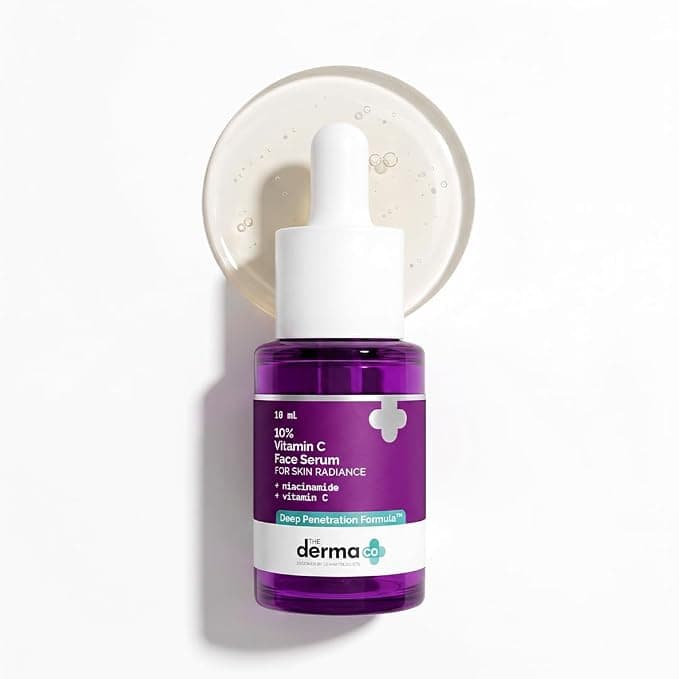
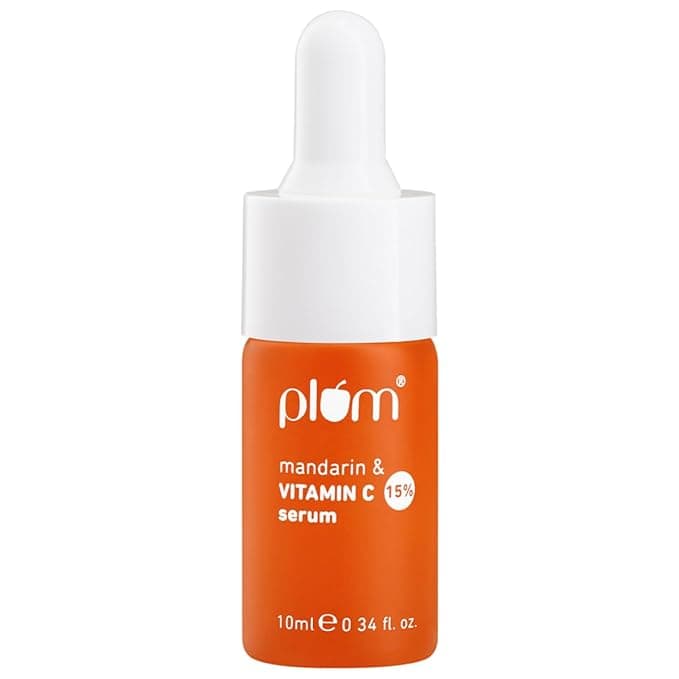
As an Amazon Associate, we earn from qualifying purchases. Links may earn a small commission at no extra cost to you.
Step-by-Step: Your Daily Routine
- 1Morning: Cleanse with a gentle, non-stripping face wash
- 2Apply a vitamin C serum and allow it to fully absorb
- 3Layer a hydrating, barrier-supporting moisturizer
- 4Apply a generous layer of broad-spectrum SPF 50, reapplying every 2-3 hours if outdoors, especially for melasma
- 5Evening: Double cleanse to remove sunscreen and any makeup residue
- 6Apply a niacinamide and alpha arbutin serum, focusing on affected areas
- 7On 2-3 nights a week, use a gentle lactic or mandelic acid exfoliant instead of the brightening serum
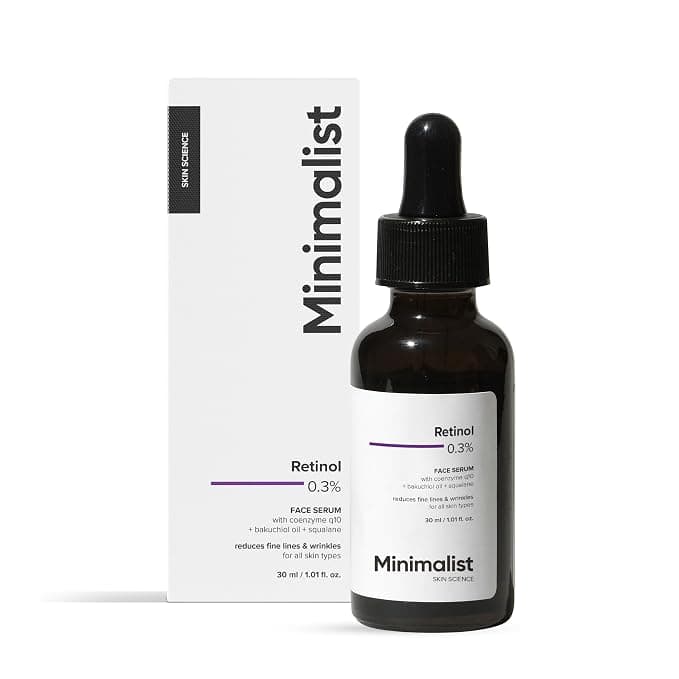
- 8On remaining nights, consider a low-strength retinol to support cell turnover, alternating with exfoliation nights
Common Mistakes to Avoid
- Relying on spot treatment alone for melasma, which typically requires broader, sustained care and possibly professional treatment
- Under-applying sunscreen — most people use less than half the amount needed for full protection
- Using aggressive at-home peels or high-strength acids without professional guidance, which can worsen pigmentation in reactive skin
- Stopping treatment as soon as spots fade, which can allow melasma in particular to recur quickly
- Ignoring heat and visible light exposure (like from cooking over a stove) as triggers, focusing only on direct sun
Expert Tips
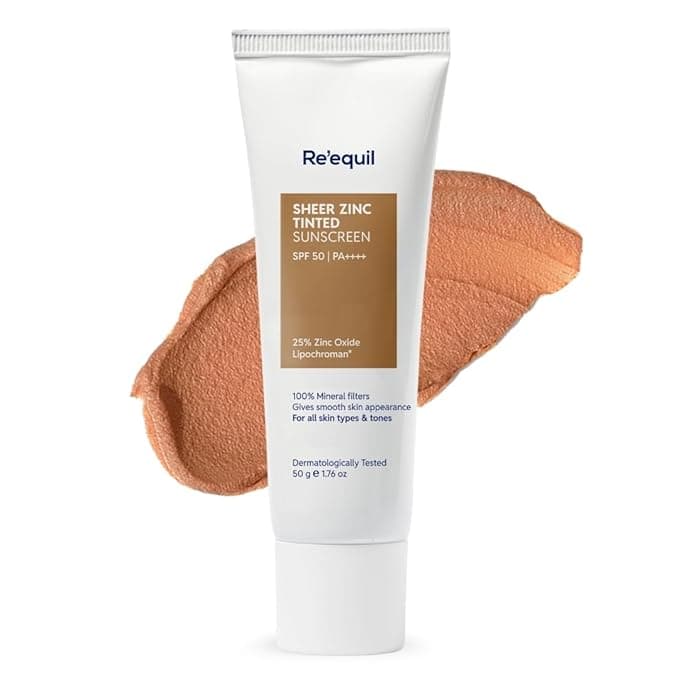
Consider a tinted sunscreen
Tinted mineral sunscreens containing iron oxides offer additional protection against visible light, which is a known trigger for melasma that plain SPF alone doesn't fully block.
Hyperpigmentation, especially melasma, is one of the most rewarding conditions to treat because the improvement is so visible, but it's also one of the most likely to return if sun protection lapses even briefly.
Final Verdict
Hyperpigmentation, in all its forms, responds best to a layered routine that combines antioxidant protection, targeted brightening actives, gentle exfoliation, and rigorous, reapplied sun protection. Treat it as an ongoing maintenance practice rather than a problem with a fixed end date, particularly if melasma is involved.
Conclusion
Even, radiant skin tone is achievable with patience, the right combination of actives, and unwavering sun protection. Explore our dark spot and tan removal guides for more targeted approaches, or subscribe to our newsletter for ongoing research-backed advice on managing pigmentation.
Frequently Asked Questions
Sources
Related Products
As an Amazon Associate, we earn from qualifying purchases. Links may earn a small commission at no extra cost to you.
You Might Also Like
SkincareSkincare Routine for Dark Spots: A Complete Step-by-Step Guide
A brightening routine built around vitamin C, niacinamide, and diligent sun protection to fade stubborn dark spots left behind by acne, sun, or scarring.
 Skincare
Skincare Routine for Sun Damage: A Complete Step-by-Step Guide
Reverse dark spots, rough texture, and premature fine lines from years of UV exposure with this retinoid, vitamin C, and SPF-driven routine.
 Skincare
Skincare Routine for Uneven Skin Tone: A Complete Step-by-Step Guide
Patchy pigmentation, sun spots, and post-acne marks making your complexion look uneven? Here is a dermatologist-informed routine to even things out safely.
Related Articles
Stay in the glow
Weekly routines and honest reviews, straight to your inbox.