Skincare Routine for Sun Damage: A Complete Step-by-Step Guide
Reverse dark spots, rough texture, and premature fine lines from years of UV exposure with this retinoid, vitamin C, and SPF-driven routine.
Jump to a section
Key Takeaways
- UV exposure is responsible for up to 80-90% of visible skin aging, making sun damage largely preventable.
- Retinoids and vitamin C together target dark spots, uneven texture, and collagen loss from years of sun exposure.
- Daily, rigorous SPF is non-negotiable — no amount of correction works if damage keeps accumulating.
- Sun damage often shows up gradually as pigmentation, rough texture, and fine lines rather than sudden burns.
- Results from a sun-damage-reversal routine take 8-12 weeks to become visible; consistency matters more than intensity.
Sun damage is sneaky. It doesn't always announce itself as a sunburn — more often it shows up years later as dark spots, uneven skin tone, rough patchy texture, and fine lines that seem to appear overnight. In India's high-UV climate, where sun exposure is a near-daily reality regardless of season, photoaging is one of the most common concerns dermatologists see.
The good news is that a meaningful portion of visible sun damage can be improved with the right combination of active ingredients and, most importantly, can be prevented from worsening with consistent daily SPF. This guide walks through a science-backed routine to help reverse existing damage while protecting against new damage going forward.
Quick Answer: The Sun-Damage-Reversal Routine
- AM: Antioxidant serum (vitamin C), moisturizer, broad-spectrum SPF 50 (reapplied every 2-3 hours outdoors)
- PM: Double cleanse if wearing sunscreen/makeup, retinoid (start 2-3x weekly), moisturizer
- Weekly: A gentle exfoliant to accelerate cell turnover and fade surface pigmentation
- Always: Reapply sunscreen, seek shade during peak UV hours (11am-3pm), and consider a wide-brimmed hat
- Patience: Give any sun-damage routine 8-12 weeks before judging results
Who Should Read This Guide
- Anyone with dark spots, sun spots, or uneven pigmentation from years of unprotected sun exposure
- People noticing rough, leathery, or crepey texture, especially on the face, neck, or hands
- Anyone with fine lines that seem more related to sun exposure than natural aging alone
- People who spend significant time outdoors (commuting, sports, work) without consistent SPF use
- Anyone starting a vitamin C and retinoid routine for the first time and wanting a clear plan
What Sun Damage Actually Does to Skin
UV radiation penetrates the skin and damages DNA in skin cells, breaks down collagen and elastin fibers, and triggers excess melanin production in patches — this is what shows up as photoaging: dark spots, fine lines, loss of firmness, and rough, uneven texture. Unlike natural chronological aging, photoaging is cumulative and largely preventable, which is why dermatologists consider daily sunscreen the single most effective anti-aging product available.
It's never too late to start
Even if you've had years of unprotected sun exposure, starting a consistent SPF and antioxidant routine today measurably slows further damage and can help visibly fade existing dark spots over a few months.
Comparing Vitamin C Serums for Sun Damage
| Serum | Strength | Best For |
|---|---|---|
| Tri-C Ferulic Glow Serum | 15% vitamin C | Reactive or sensitive skin easing into vitamin C |
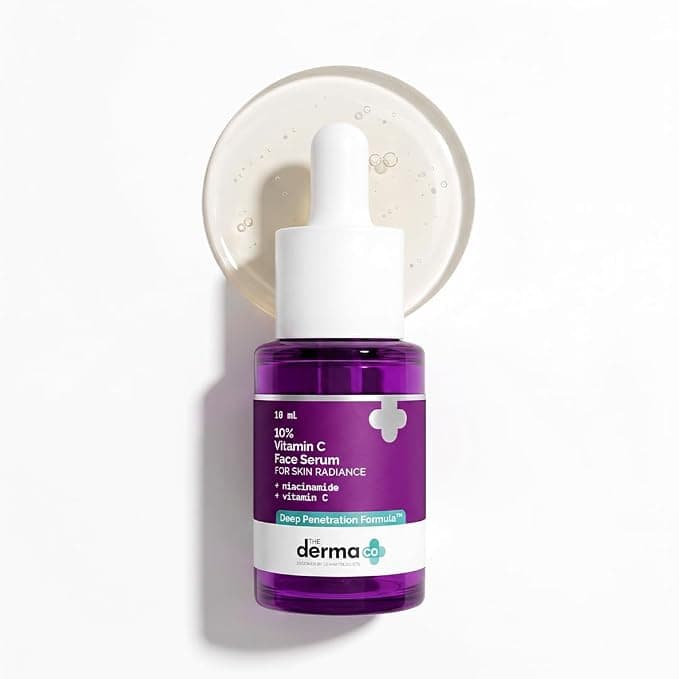
| Radiance Vitamin C Serum | 10% + niacinamide | Daily antioxidant protection and mild brightening |
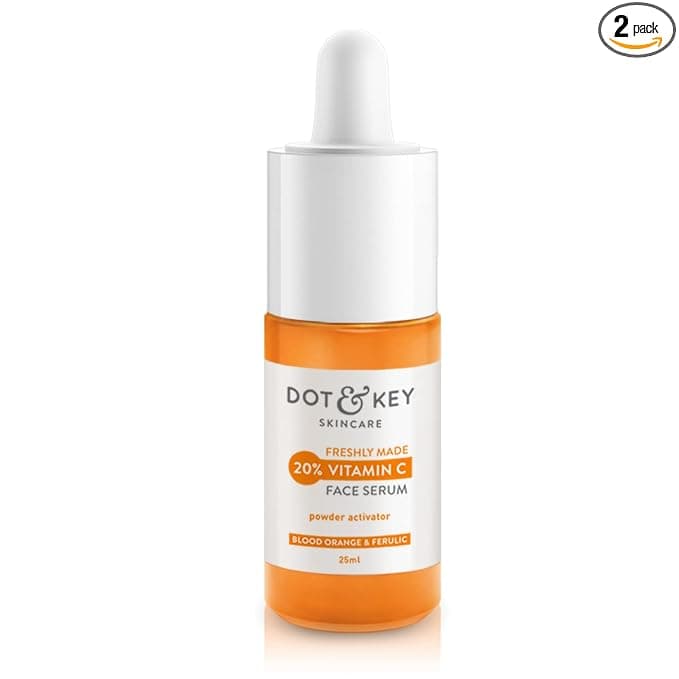
| Glow Drops 20% Vitamin C Serum | 20% vitamin C | Stubborn, established dark spots and significant photoaging |
| Suvarna Brightening Vitamin C Serum | 10% + niacinamide | Budget-friendly daily maintenance |
Retinoids: The Gold Standard for Reversing Photoaging
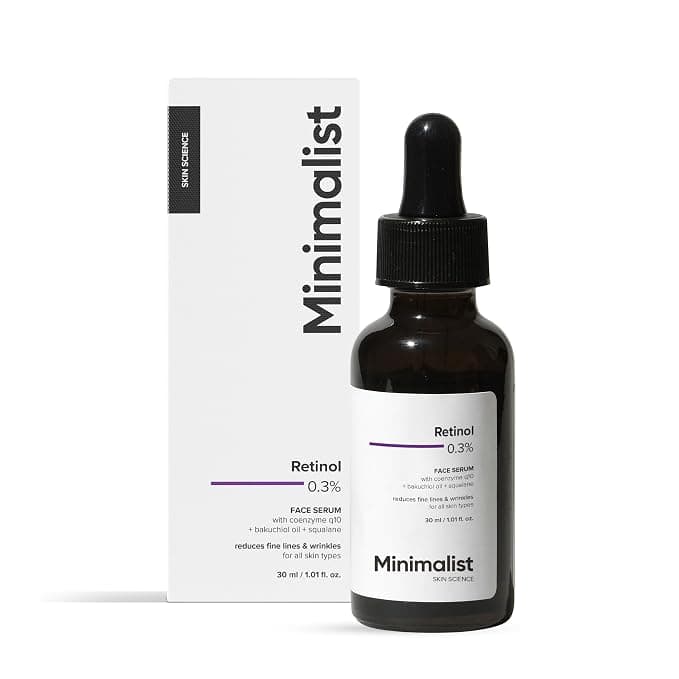
Retinoids remain the most well-studied ingredient for reversing visible sun damage. They accelerate cell turnover (fading surface pigmentation faster), stimulate new collagen production (softening fine lines and improving firmness), and even out rough, sun-damaged texture over consistent use. Start slowly — two to three nights a week — and build tolerance gradually to avoid irritation.
Retinoids increase sun sensitivity
Using a retinoid makes skin more vulnerable to UV damage. This makes rigorous daily SPF use even more critical while you're actively treating sun damage — skipping sunscreen while on retinol can undo your progress.
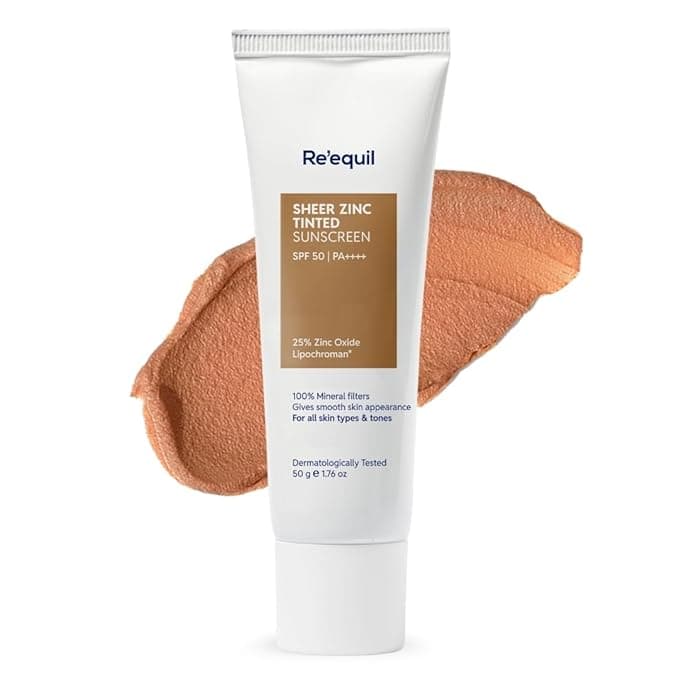
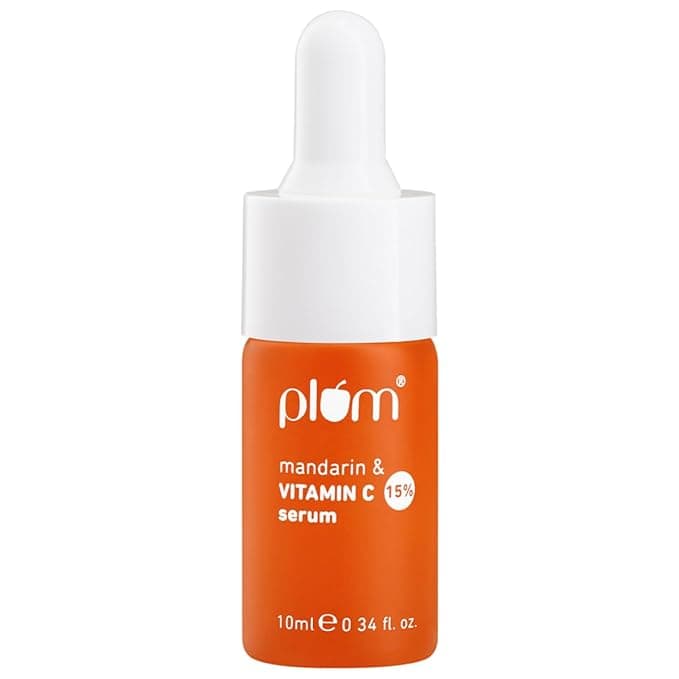
For nighttime cell turnover and daytime antioxidant defense, these products cover both halves of a sun-damage-reversal routine.

As an Amazon Associate, we earn from qualifying purchases. Links may earn a small commission at no extra cost to you.
Step-by-Step: Your Daily Routine
- 1Morning: Cleanse with a gentle, hydrating cleanser
- 2Morning: Apply a vitamin C serum to clean, dry skin for antioxidant protection against daytime UV and pollution
- 3Morning: Moisturize, then apply broad-spectrum SPF 50 as the final step — never skip this, rain or shine
- 4Midday: Reapply sunscreen every 2-3 hours if outdoors, using a tinted SPF for easy touch-ups over makeup
- 5Evening: Double cleanse to fully remove sunscreen and daily buildup
- 6Evening: Apply a retinoid 2-3 nights a week initially, building to nightly as tolerated
- 7Evening (non-retinol nights): Apply a hydrating moisturizer to support barrier repair
- 8Weekly: Use a gentle exfoliating treatment to help slough off pigmented, sun-damaged surface cells faster
Common Mistakes to Avoid
- Treating dark spots with actives but skipping daily SPF, which undoes progress almost entirely
- Expecting overnight results — meaningful fading of sun damage takes 8-12 weeks minimum
- Applying sunscreen only when it's sunny — UV rays penetrate clouds and even glass
- Combining high-strength vitamin C and retinoid in the same session, which can cause irritation — alternate AM/PM instead
- Forgetting the neck, chest, and hands, which show sun damage just as visibly as the face
Expert Tips
SPF reapplication is the real secret
Most people apply sunscreen once and forget it. For meaningful protection against ongoing sun damage, reapply every two to three hours when outdoors — a tinted stick or spray makes this realistic over makeup.
Treating sun damage without daily sunscreen is like mopping the floor with the tap still running — the correction only works if you stop the damage from accumulating further.
Final Verdict
Reversing sun damage is a two-part job: actively fading existing dark spots and texture with vitamin C and retinoids, while rigorously preventing new damage with daily, reapplied SPF. Skip either half, and results stall.
Conclusion
Sun damage builds up slowly, but with the right routine, it can meaningfully fade just as gradually — and stop progressing altogether. Explore our pigmentation and SPF guides for more, or subscribe to our newsletter for research-backed routines delivered regularly.
Frequently Asked Questions
Sources
Related Products
As an Amazon Associate, we earn from qualifying purchases. Links may earn a small commission at no extra cost to you.
You Might Also Like
 Skincare
Skincare Routine for Dark Spots: A Complete Step-by-Step Guide
A brightening routine built around vitamin C, niacinamide, and diligent sun protection to fade stubborn dark spots left behind by acne, sun, or scarring.
SkincareSkincare Routine for Hyperpigmentation: A Complete Step-by-Step Guide
A comprehensive, dermatologist-informed routine to manage melasma, sun-induced patches, and widespread discoloration using proven brightening actives.
 Skincare
Skincare Routine for Uneven Skin Tone: A Complete Step-by-Step Guide
Patchy pigmentation, sun spots, and post-acne marks making your complexion look uneven? Here is a dermatologist-informed routine to even things out safely.
Related Articles


Stay in the glow
Weekly routines and honest reviews, straight to your inbox.