Skincare Routine for Uneven Skin Tone: A Complete Step-by-Step Guide
Patchy pigmentation, sun spots, and post-acne marks making your complexion look uneven? Here is a dermatologist-informed routine to even things out safely.
Jump to a section
Key Takeaways
- Uneven skin tone is usually caused by a mix of sun exposure, post-inflammatory pigmentation, and uneven melanin distribution.
- Vitamin C and niacinamide are the two most reliable ingredients for brightening and evening out tone.
- Daily SPF is non-negotiable — without it, tone-correcting actives will not work and pigmentation can worsen.
- Gentle, consistent exfoliation speeds up cell turnover and fades discolouration faster than harsh scrubbing.
- Visible improvement typically takes 8-12 weeks of consistent use, not days.
If you look in the mirror and see patches that are darker or lighter than the rest of your face, you are dealing with what dermatologists call dyschromia, or more commonly, uneven skin tone. It is one of the most common skin concerns in India, driven by our intense sun exposure, higher baseline melanin levels, and a cultural tendency to pick at acne and let post-inflammatory marks linger.
The good news is that uneven skin tone is one of the most treatable cosmetic skin concerns when you approach it with the right combination of actives, consistency, and patience. This guide walks you through exactly what to use, in what order, and why — so you are not throwing random brightening products at your face and hoping something sticks.
Quick Answer: The Uneven Skin Tone Routine
- AM: Gentle cleanser → Vitamin C serum → Moisturiser → Mineral SPF 50
- PM: Double cleanse → Niacinamide serum or gentle exfoliant (alternate nights) → Moisturiser
- 2-3x per week: Chemical exfoliation (AHA/PHA) to speed up cell turnover
- Non-negotiable: SPF reapplication every 3-4 hours if outdoors
Who Should Read This Guide
- Anyone with visible patches of hyperpigmentation from old acne marks
- People with sun-induced tanning or melasma-like patches on cheeks and forehead
- Those with a naturally patchy or blotchy complexion unrelated to specific marks
- Anyone who wants a brighter, more radiant, even-looking complexion overall
What Actually Causes Uneven Skin Tone
Uneven tone is rarely one single thing. The most common contributor in India is cumulative UV exposure, which triggers melanocytes to overproduce pigment unevenly across the face. Add to that post-inflammatory hyperpigmentation (PIH) from acne, insect bites, or waxing, and hormonal pigmentation like melasma, and you get a complexion with multiple overlapping causes — which is why a single spot treatment rarely fixes the whole picture.
It's rarely just one cause
Most people with uneven tone have at least two overlapping causes — for example old acne marks plus sun tanning. Treating only one will leave visible unevenness behind.
| Ingredient | What it does | Best for |
|---|---|---|
| Vitamin C | Antioxidant, inhibits melanin production, brightens | General dullness, early sun spots |
| Niacinamide | Reduces melanin transfer, strengthens barrier | Blotchiness, redness plus pigmentation |
| Alpha Arbutin | Tyrosinase inhibitor, targets dark spots | Stubborn localized dark patches |
| AHA (Glycolic/Lactic acid) | Exfoliates surface pigmented cells | Textured, dull, patchy skin |
| Sunscreen (SPF 50) | Prevents new pigmentation, protects results | Everyone, every single day |
Vitamin C: Your Morning Non-Negotiable
Vitamin C works two ways: it neutralises the free radicals from UV and pollution that trigger pigmentation in the first place, and it directly interferes with the enzyme (tyrosinase) responsible for producing melanin. Used consistently every morning under sunscreen, it is one of the few ingredients that both treats and prevents uneven tone simultaneously.
If your skin is sensitive or acne-prone, start with a gentler, lower-strength formula and build up rather than jumping straight to a high-percentage serum, which can cause irritation that ultimately triggers more pigmentation.
Layer smart
Apply vitamin C on clean, dry skin before moisturiser. Give it a minute to absorb before layering anything else on top.
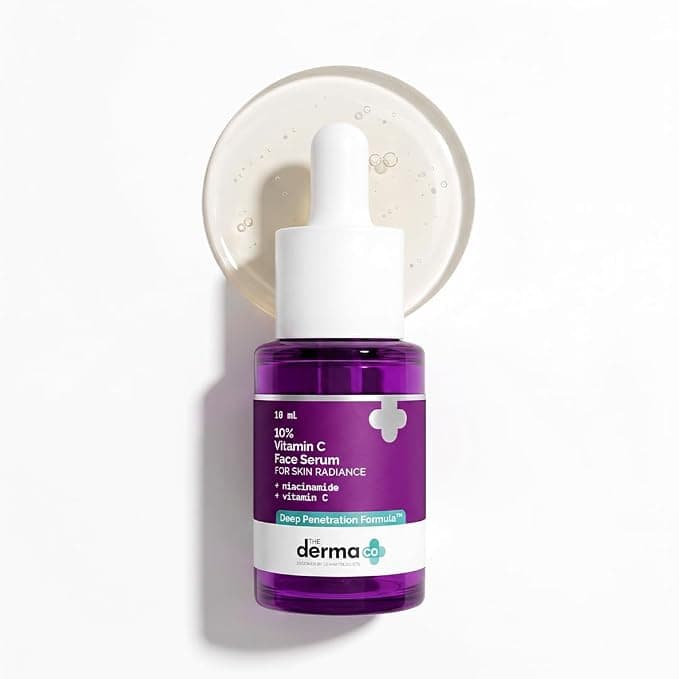
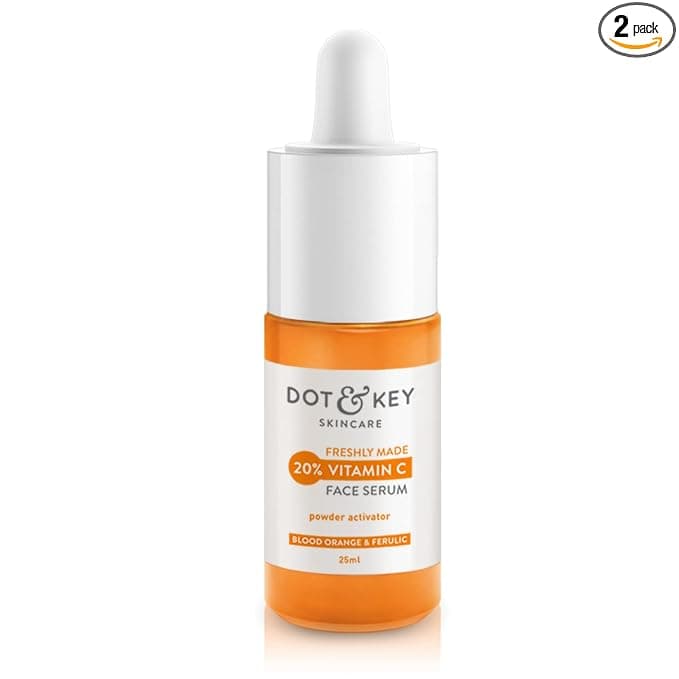
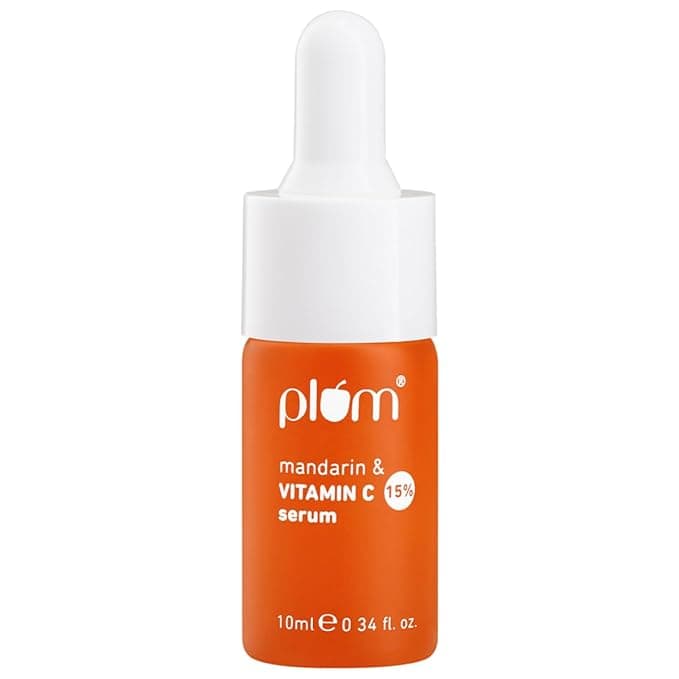
Here are a few products that fit different stages of this routine, from gentle daily brightening to more intensive spot-correction.
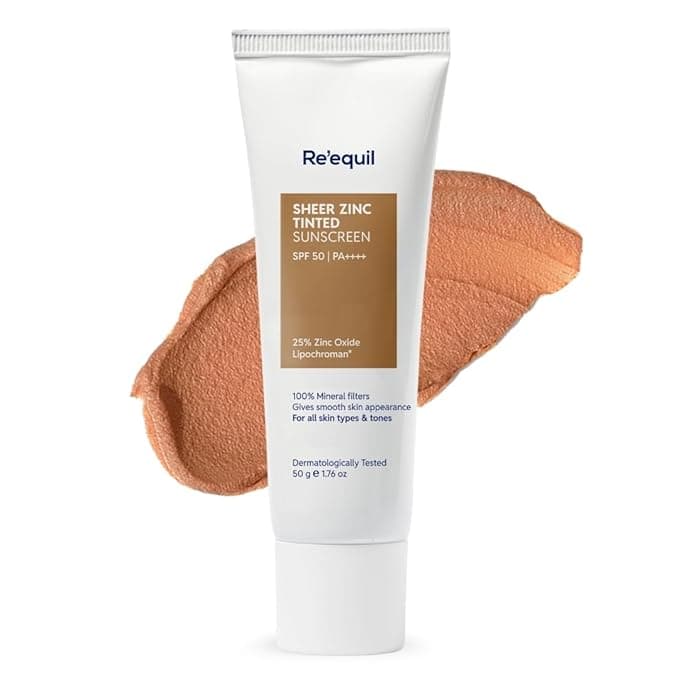
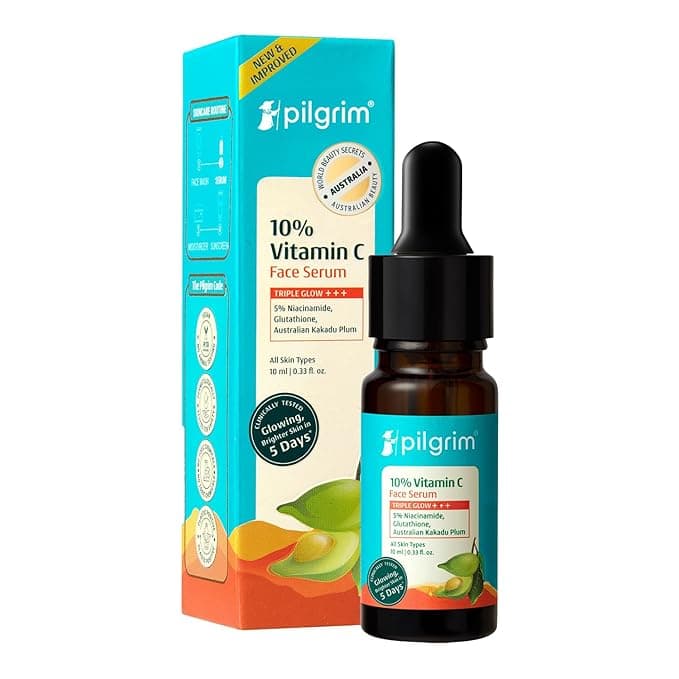

As an Amazon Associate, we earn from qualifying purchases. Links may earn a small commission at no extra cost to you.
Step-by-Step: Your Daily Routine
- 1Morning: Cleanse with a mild, sulphate-free cleanser using lukewarm water.
- 2Apply a vitamin C serum to dry skin and let it absorb for 60 seconds.
- 3Follow with a lightweight, hydrating moisturiser.
- 4Finish with a broad-spectrum SPF 50 sunscreen, applied generously — about two finger lengths for the face.
- 5Evening: Double cleanse if you wore sunscreen or makeup during the day.
- 6On exfoliation nights, apply an AHA or niacinamide-led treatment and skip other actives.
- 7On rest nights, apply a nourishing moisturiser or a gentle brightening essence.
- 8Reapply sunscreen every 3-4 hours if you're outdoors for extended periods.
Common Mistakes to Avoid
- Skipping sunscreen on cloudy days or when indoors near windows
- Combining too many actives at once, causing irritation and rebound pigmentation
- Over-exfoliating in an attempt to fade marks faster
- Expecting results in under 4 weeks — melanocyte turnover takes time
- Using body scrubs or harsh physical exfoliants on facial skin
Expert Tips
Consistency beats intensity
A gentle 10% vitamin C used daily for three months will outperform a harsh 20% formula used inconsistently because of irritation.
Uneven tone is a marathon, not a sprint — the skin that produced the pigmentation took months to do so, and it takes a comparable amount of time to correct.
Final Verdict
An even skin tone is achievable for almost everyone with the right combination of antioxidant protection, targeted brightening actives, gentle exfoliation, and unwavering SPF use. There is no overnight fix, but there is a reliable, evidence-backed path forward.
Conclusion
Start simple, stay consistent, and give your skin the 8-12 weeks it needs to show real change. If you'd like more personalised guidance, explore our other skin-concern guides or subscribe to our newsletter for weekly tips delivered straight to your inbox.
Frequently Asked Questions
Sources
Related Products
As an Amazon Associate, we earn from qualifying purchases. Links may earn a small commission at no extra cost to you.
You Might Also Like
 Skincare
Skincare Routine for Dark Spots: A Complete Step-by-Step Guide
A brightening routine built around vitamin C, niacinamide, and diligent sun protection to fade stubborn dark spots left behind by acne, sun, or scarring.
 Skincare
Skincare Routine for Sun Damage: A Complete Step-by-Step Guide
Reverse dark spots, rough texture, and premature fine lines from years of UV exposure with this retinoid, vitamin C, and SPF-driven routine.
SkincareSkincare Routine for Hyperpigmentation: A Complete Step-by-Step Guide
A comprehensive, dermatologist-informed routine to manage melasma, sun-induced patches, and widespread discoloration using proven brightening actives.
Related Articles


Stay in the glow
Weekly routines and honest reviews, straight to your inbox.